
You may have cement mixer problems like starting issues, loud sounds, bad mixing, hard concrete buildup, water leaks, and old blades. Acting fast keeps your machine working and stops expensive fixes. Finding problems early can make your mixer work longer and cut down on surprise stops. Doing regular checks, taking care of the drum, checking tires, looking at hydraulics, and teaching operators all help you stop breakdowns. CNWH gives you good tips for cement mixer care.
Key Takeaways
- Regular maintenance is important. Clean your cement mixer after each use. This stops concrete from getting hard inside.
- Listen for strange sounds. Loud noises can mean parts are loose. They can also mean there are mechanical problems. These need quick attention.
- Look for electrical problems. If your mixer will not start, check the power supply. Also check the fuses and motor parts.
- Check the blades often. Blades that are worn or broken mix badly. You should replace them right away.
- Fix warning signs fast. Solving problems early saves money. It also helps your mixer last longer.
Cement Mixer Common Problems
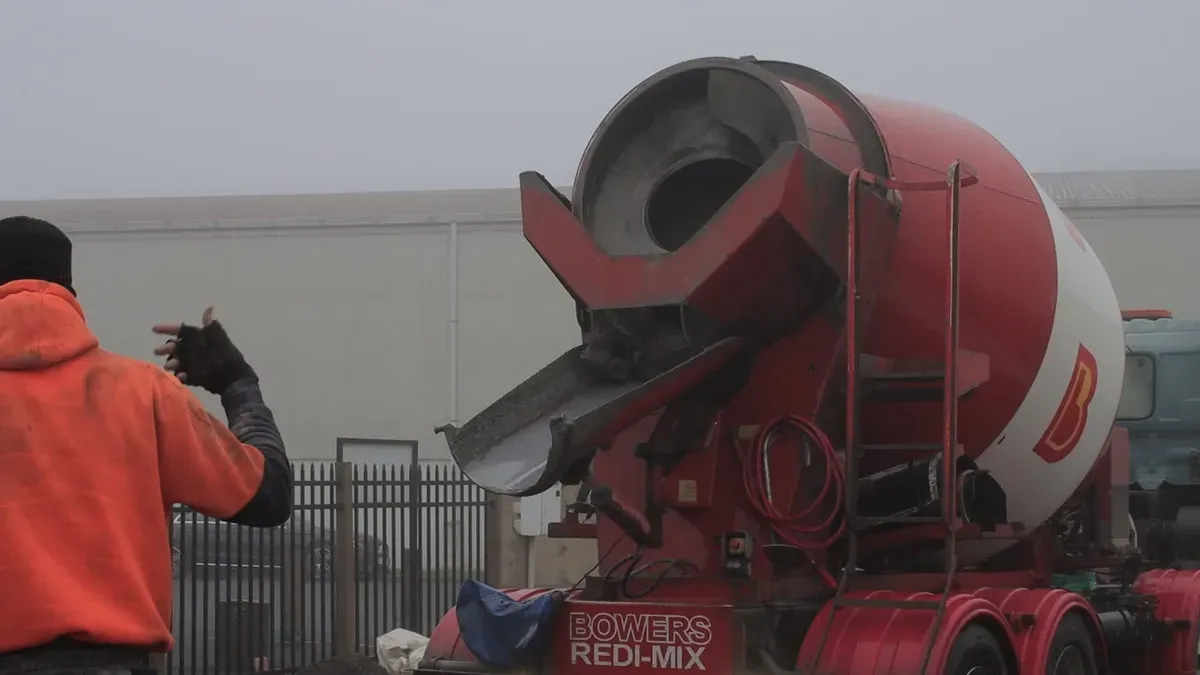
Cement mixers can have problems that slow you down or break your machine. It is important to know what to watch for and why these problems matter. Here are the most common things that can go wrong with your concrete mixer.
Mixer Won’t Start
Sometimes, you try to turn on your cement mixer and nothing happens. This is a very common problem. It can stop your work before you even start. Most of the time, the problem is with the electricity. Here is a table that shows the main reasons your mixer will not start:
| Common Causes | Description |
|---|---|
| Faulty Power Supply or Damaged Power Cord | A compromised power source or damaged cord can prevent electricity from reaching the mixer. |
| Blown Fuses or Tripped Circuit Breakers | Electrical overloads can cause fuses to blow or breakers to trip, cutting off power to the mixer. |
| Worn Motor Brushes or Faulty Capacitor | Motor brushes wear down over time and need replacement; a faulty capacitor can prevent the motor from starting. |
If your concrete mixer does not start, check the power cord and outlet first. Listen for any sounds from the motor. If you do not hear anything, you might have a blown fuse or a tripped breaker. Worn motor brushes or a bad capacitor can also stop the motor from working. Fixing these problems fast helps you avoid waiting and keeps your cement mixer working well.
Excessive Noise or Vibration
Loud noises or strong shaking are common with cement mixers. You might hear grinding, rattling, or banging. These sounds usually mean something is loose or worn out. Too much shaking can make parts come loose and break more things later. If you notice these problems, stop the mixer and check for loose bolts, worn bearings, or broken gears. Fixing these problems early stops bigger repairs and keeps your concrete mixer safe.
Tip: Always listen to your mixer when you use it. Strange sounds usually mean something is wrong.
Poor Mixing Results
Sometimes, your concrete mixer does not mix things well. You might see dry spots, lumps, or uneven mix. Bad mixing can ruin your project and waste your materials. Many machine or electric problems can cause this. The table below shows the most common problems:
| Fault Type | Description |
|---|---|
| Mechanical Failures | Issues in the mixing and hoist systems that can lead to inefficient mixing results. |
| Overheating of Motors | Caused by excessive load or worn components, leading to reduced mixing efficiency. |
| Electrical Malfunctions | Problems in the control circuits that can disrupt the mixing process. |
| Loose Connecting Bolts | Can cause misalignment of mixing blades, reducing efficiency and risking catastrophic failure. |
| Obstructions | Stones or hardened aggregates can stall the motor, halting production. |
| Low Voltage | Causes motors to draw more current, generating excess heat and potentially damaging components. |
You should check for loose bolts, hot motors, or things stuck inside if your mixer does not mix well. Fixing these problems helps you get smooth and even concrete.
Hardened Concrete Buildup
Hardened concrete inside the drum is a common problem for cement mixers. This makes the drum heavier and makes the motor work harder. Over time, this can wear out parts and break the machine. You might also see that the mixer holds less concrete and does not mix as well. The main things that cause hardened concrete buildup are:
- More weight inside the drum, making motors and parts work harder.
- Faster wear and more broken parts.
- Less space for mixing.
- Bad concrete mix.
You should clean your concrete mixer every time you use it to stop this problem. Cleaning keeps your machine working well and helps it last longer.
Water Leaks
Water leaks are another common problem with cement mixers. You might see water dripping from the drum or around the seals. Leaks can wash away cement, make the mix weak, and hurt electric parts. If you see water on the ground or wet spots on the mixer, check the seals and gaskets. Changing old seals stops leaks and keeps your concrete mixer safe.
Worn or Damaged Blades
Mixing blades inside the drum get worn out over time. You might see rough edges, chips, or the blade angle might change. Worn or broken blades cannot mix concrete well. This makes the mix bad and wastes materials. Blades wear out from sticking, scraping, or getting tired from use. The angle and speed of the blades, and how hard the materials are, change how fast they wear out. Good blades mix better and last longer.
You should check your mixer blades often. Look for damage, measure how much they are worn, and check the blade angle. Keeping the angle between 30° and 35° helps the blades last longer and keeps your cement mixer working well. Change the blades when they are very worn to keep your concrete mix good.
Note: Checking blades often and changing them when needed keeps your concrete mixer working well and helps it last longer.
Troubleshooting Concrete Mixers
When you face problems with your concrete mixer, you need clear troubleshooting advice. This section helps you find and fix common faults in cement mixers. Follow these steps to keep your machine running smoothly.
Motor and Electrical Issues
You may notice your concrete mixer will not start or stops suddenly. To find the cause, follow these steps:
- Look for obvious damage on wires, tires, and the engine.
- Listen for strange sounds from the motor.
- Use a vibration tool to check for changes in how the mixer runs.
- Test the hydraulic system for leaks or low pressure.
- Use a multimeter to check voltage, current, and resistance in the electrical system.
- Read any onboard diagnostic data if your mixer has it.
Check the wires by removing the motor cover. Clean connections with a soft brass wire wheel and electrical contact spray. If you suspect a faulty start capacitor, ask a motor repair shop for help. If you need to remove the motor, use a gear puller. Always make sure the bolts holding the motor and gear housing are tight. If you see signs of motor failure, stop using the mixer and get expert help from CNWH.
Tip: If you cannot find the problem or fix it, contact a professional for troubleshooting advice.
Control System Faults
Control system faults can stop your concrete mixer from working right. Common issues include problems with the PLC, weighing sensors, relays, or actuators. To troubleshoot:
- Learn what each part does.
- Isolate the faulty part by testing one at a time.
- Check for sensor calibration and stable power supply.
- Watch for worn parts and replace them as needed.
Regular checks and calibration help prevent control system faults. If you cannot fix the issue, CNWH can help with troubleshooting advice and parts.
Drive Belt and Gearbox Problems
Drive belts and gearboxes help your concrete mixer turn the drum. If you hear squealing or grinding, you may have gearbox issues or a loose belt. To troubleshoot:
- Turn off the mixer and unplug it.
- Check the belt for cracks or wear.
- Make sure the belt tension is correct.
- Inspect the gearbox for oil leaks or damage.
- Tighten any loose bolts.
Replace worn belts and fix leaks right away. If the gearbox makes noise or feels hot, get help from a professional.
Bearing and Fastener Checks
Bearings and fasteners keep your cement mixers running smoothly. Use this table to check for problems:
| Inspection Type | Check Description | Pass Criteria |
|---|---|---|
| Vibration Assessment | Check for extra vibration at motor, gearbox, and mixing head during use. | Vibration matches normal, no movement at mounts, smooth run |
| Temperature Check | Use an infrared thermometer on motor, gearbox, and bearings. | Motor < 70°C, gearbox < 65°C, bearings < 60°C above ambient |
| Lubrication Visual Check | Look at grease fittings and oil sight glasses. | Oil level correct, clear oil, no leaks, clean grease fittings |
| Bearing Condition Assessment | Use a handheld analyzer to check all bearing positions. | Vibration below alarm, no defect frequencies, stable trend |
If you find high heat, noise, or loose fasteners, fix them before using the mixer again. For hard-to-find problems, CNWH offers expert support and replacement parts.
Note: Regular troubleshooting keeps your concrete mixer safe and reliable.
Preventing Problems in Cement Mixers
Daily Maintenance Tips
You can keep your cement mixer working well with daily care. Cleaning is very important. Clean your concrete mixerafter each use. This stops cement from getting hard inside the drum. Use a strong hose to wash out the mix while it is still wet. Cleaning right away stops buildup and makes mixing easier next time. Check your machine for damage if you use it a lot. Look at moving parts for cracks or leaks. Never put too much in the drum. Overfilling can break the machine and spill concrete. This can be dangerous and waste materials. Always mix for three to five minutes. This helps you avoid mixing too little or too much.
Tip: Clean your mixer on time and check it often. This helps you stop problems before they start.
Here are mistakes you should not make:
- Using the wrong mix of cement, sand, gravel, and water.
- Adding too much or too little water.
- Putting too much in the drum.
- Leaving dry concrete inside the drum.
- Not mixing for the right amount of time.
- Not being careful around moving parts or spilled concrete.
Weekly and Monthly Checks
Taking care of your concrete mixer for a long time helps it last. Doing regular checks helps you find problems early. Look at the motor, gearbox, and blades every week. Watch for damage, heat, or loose bolts. Add oil to moving parts. Check seals and gaskets for leaks. Change old parts before they break. Training operators helps them use the machine better and make fewer mistakes.
| Maintenance Points | Inspection Frequency | Action Steps |
|---|---|---|
| Drum and blades | Weekly | Check for damage, clean well |
| Motor and gearbox | Monthly | Look for heat, add oil |
| Seals and gaskets | Monthly | Check for leaks, change if needed |
| Safety guards | Weekly | Check for damage, make sure tight |
Cleaning your concrete mixer often helps it last longer. Good machines can work for 10 to 15 years and go up to 500,000 miles. Weather and how you use the machine also matter. Makers say to clean, oil, and check your mixer often. Doing these things helps stop breakdowns and keeps your mixer safe.
Note: Checking and cleaning your mixer often saves money and keeps it safe.
When to Replace or Repair Your Mixer
Signs of Major Issues
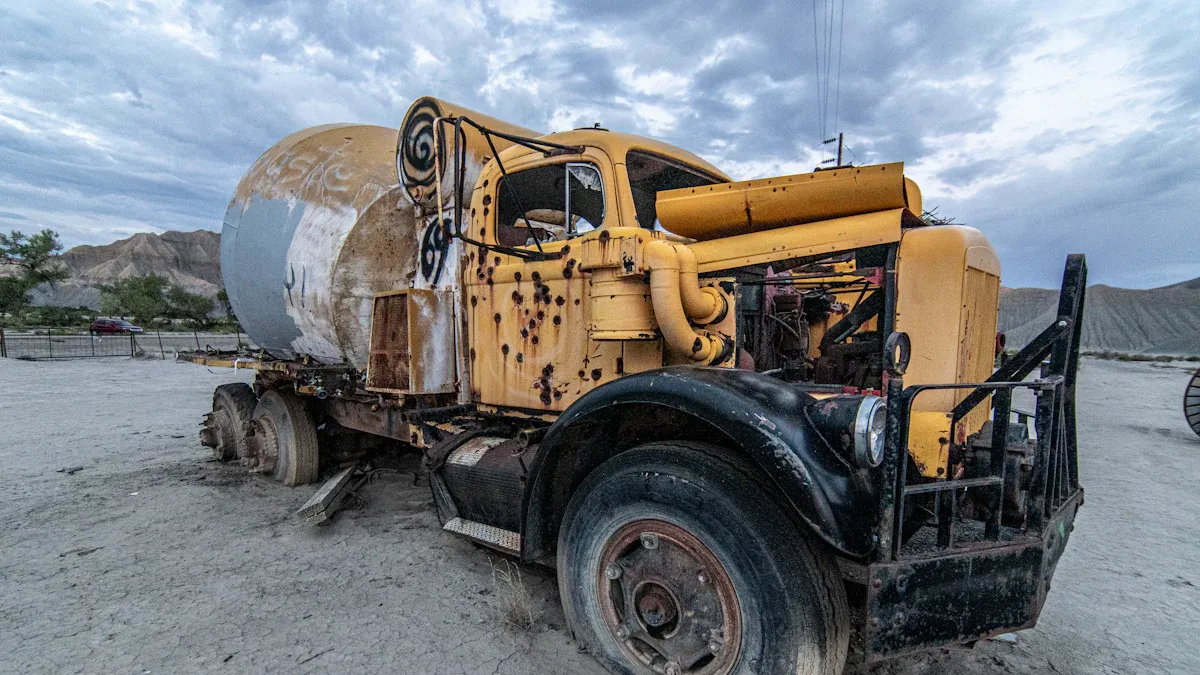
You need to know when your concrete mixer has problems that simple repairs cannot fix. Some signs show that your machine has serious wear and tear. These problems can stop your work and cost you more money if you ignore them. Watch for these warning signs:
| Symptoms | Common Causes |
|---|---|
| Grinding, squealing, or rattling noises | Loose bolts or fasteners |
| Increased noise levels during operation | Worn bearings or misaligned gears |
| Vibrations that feel stronger than normal | Severe wear and tear |
You may also notice the drum will not rotate or the mixer will not start. These issues often come from electrical failures, broken belts, or damaged gears. If you see poor mixing quality, check for worn paddles or the wrong mix ratios. When you hear loud noises or feel strong vibrations, you should stop using the mixer. These signs mean the wear and tear has reached a point where repairs or replacement are needed.
Ignoring these warning signs can lead to higher repair costs, long downtime, and even lost contracts. You protect your project and your wallet by acting early.
Motors can overheat or fail because of wear and tear. Always check for proper ventilation and keep the motor cool. Regular maintenance helps you catch these problems before they get worse.
Choosing Quality Parts
When you decide to fix your cement mixer, always choose quality parts. Good parts last longer and handle more wear and tear. Cheap parts may save money at first, but they wear out faster and cause more repairs. Look for strong blades, reliable belts, and tough seals. Pay attention to the wear and tear of mixing blades. If you see chips, cracks, or changes in the blade angle, replace them right away.
Here are some tips for choosing the best parts:
- Buy parts made for your mixer model.
- Check for strong materials that resist wear and tear.
- Ask for advice from trusted suppliers like CNWH.
- Keep a record of all maintenance and repairs.
You should also follow a regular maintenance schedule. This helps you spot wear and tear early and keeps your cement mixers running well. When you use quality parts and stay on top of maintenance, your mixer will last longer and work better.
You help your cement mixer work well by acting quickly and doing regular maintenance. Checking your mixer often lets you find problems early and avoid expensive fixes.
- Predictive maintenance helps you find problems before the mixer breaks down.
- Regular checks stop surprise problems and save you money in the long run.If you change old parts right away, your machine will last longer. For expert help and good parts, you can trust CNWH.
FAQ
How often should you clean your cement mixer?
You should clean your cement mixer after every use. This stops concrete from hardening inside the drum. Cleaning right away makes your next job easier and keeps your mixer working longer.
What should you do if your mixer makes loud noises?
Stop the mixer and check for loose bolts, worn bearings, or broken gears. Loud noises often mean something is wrong. Fixing these problems early helps you avoid bigger repairs.
Can you use any replacement part for your cement mixer?
| Part Type | Recommended? |
|---|---|
| Genuine Parts | ✅ Yes |
| Universal Parts | ⚠️ Sometimes |
| Cheap Imitations | ❌ No |
You should always use parts made for your mixer model. This keeps your machine safe and reliable.
Why does your concrete mix look uneven?
You may have loose blades, stuck materials, or a worn motor. Check the drum and blades for damage. Make sure you use the right mix and enough water for best results.
When should you call a professional for repairs?
If you cannot find the problem or fix it yourself, call a professional. You should also get help if you see electrical faults, gearbox issues, or major leaks.