
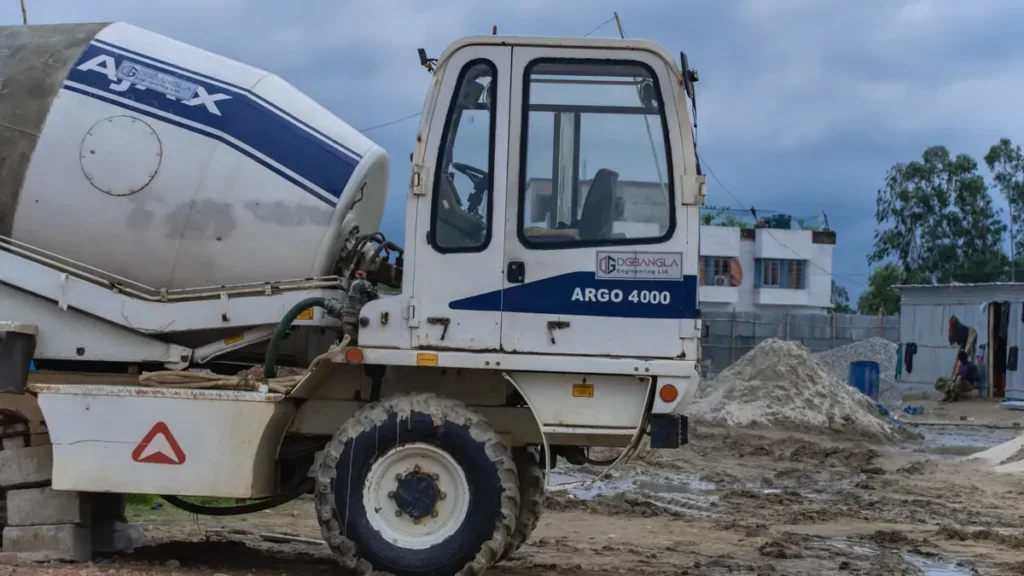
Mismatched equipment harms profit margins, output quality, and job-site efficiency. Smart contractors ask important questions about concrete mixer requirements during initial equipment selection. You execute proper equipment selection by matching concrete volume, slump specifications, site mobility, and power source requirements to your job equipment. Proper concrete mixer selection directly ensures construction project success. Picking the right concrete mixer demands focusing on total cost of ownership and long-term equipment performance over initial price. High equipment performance safeguards project profitability. Heavy-duty CNWH equipment fulfills strict operational requirements. Robust concrete mixer equipment delivers unmatched structural durability. Therefore, contractors rely on continuous equipment utility and high jobsite equipment productivity.
Key Takeaways
- Match concrete mixers to project size to keep job sites efficient and protect project profits.
- Choose forced-action mixers for stiff concrete to prevent motor stalling and ensure proper material mixing.
- Select electric mixers for indoor jobs to eliminate direct emissions and keep noise levels low.
- Calculate total cost of ownership instead of initial purchase price to safeguard long-term job profitability.
- Buy new concrete mixers when annual machine usage exceeds sixty percent to reduce operational expenses.
- Clean mixer drums daily after use to maintain machine capacity and extend equipment lifespan.
Concrete Mixer Selection Framework by Project Scale
Project scope dictates machine choices during concrete mixer selection. You must analyze total volume, pour frequency, and job-site access before choosing a concrete mixer for your job. Proper concrete mixer selection prevents costly project delays.
Residential and Small-Scale Projects
Batch Yields Under 5 Cubic Yards
Small residential jobs demand flexible equipment. You need compact batch mixers for small slabs, footings, and sidewalks. Proper equipment selection helps contractors fulfill small-scale pour requirements efficiently.
Portable Mixers for Restricted Access
Tight residential spaces often block standard delivery trucks. Mobile concrete mixers easily navigate narrow driveways and backyard gates. You can deploy towable machinery directly near your pour site. These portable types simplify job-site logistics and lower manual labor requirements.
💡 Tip: Evaluate job-site accessibility early. Choosing agile gear prevents expensive delivery bottlenecks on crowded urban lots.
Commercial and Structural Pouring
Standard Slump and High-Yield Demands
Commercial projects require high daily volume and consistent structural strength. Mid-sized commercial jobs rely on a dependable mixer truck to move material fast. You must evaluate different types of concrete mixers to match your batch cycle requirements. Standard batch mixers handle medium slump mixes well while keeping high output speed. Smart equipment selection improves daily pour rates.
Crane Delivery and Continuous Supply
High-rise structures require constant material supply. A steady stream of concrete mixer truck deliveries keeps your bucket crane operating continuously. Your site manager schedules each mixer truck arrival precisely. A third mixer truck maintains constant supply during large pours. CNWH high-yield equipment options integrate directly into standard bucket and pump systems. You avoid site downtime with synced supply setups.
Infrastructure and Heavy Civil Works
Low-Slump and Mass Aggregate Mixes
Civil works demand tough mixes with low water content. Highway and dam construction requires heavy-duty machines. You must identify the specific type of concrete required for heavy structural loading. High-performance equipment mixes stiff, low-slump batches effortlessly.
Continuous Tonnage Output Needs
Large-scale concrete projects require unbroken production across long shifts. Heavy machinery must deliver maximum output without unexpected breakdowns.
| Project Scale | Recommended Equipment | Primary Advantage |
|---|---|---|
| Residential | Mobile / Portable Units | Exceptional access in tight spaces |
| Commercial | High-Yield Batch Mixers | Consistent slump and rapid cycling |
| Civil Works | High-Yield CNWH Plants | Continuous output for massive pours |
CNWH units deliver high mechanical performance under tough job site conditions. Smart contractors rely on robust machinery to maintain quality control across extreme pours and boost overall performance. Proper equipment selection ensures long-term operational performance on major construction sites. High-grade equipment meets severe project requirements reliably. Professional contractors choose reliable machinery for every phase. The right concrete mixer guarantees smooth material placement. Proper equipment maintenance preserves total asset value. Rugged equipment cuts daily operating costs. Modern equipment increases operator safety on site. Durable equipment reduces job delays. Standardized equipment simplifies crew training. Matching site requirements drives profitability.
Types of Construction Mixers and Mechanics
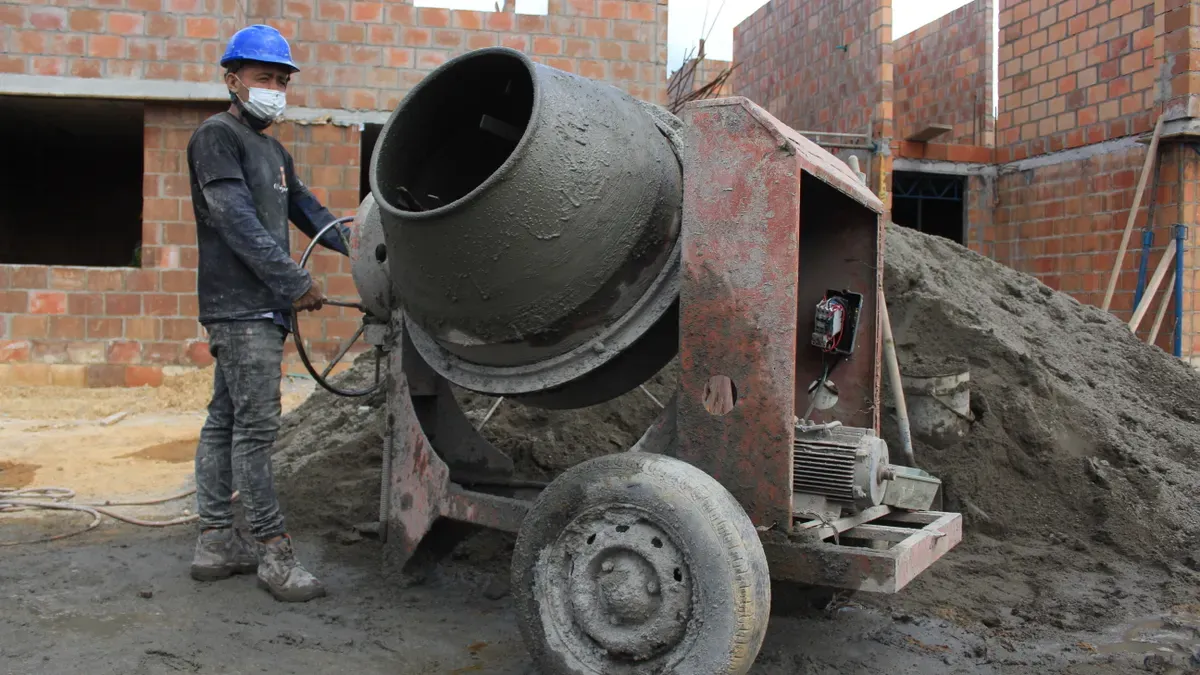
Selecting machinery demands a clear understanding of mechanical operations. You must evaluate mechanical force, drum movement, and blade action across modern construction mixers. Different mechanical designs directly transform raw materials into uniform concrete.
Main Types of Concrete Mixers
The market offers diverse types of concrete mixers for modern jobs. You choose machine categories based on production volume, project timeline, and site layout.
Batch vs. Continuous Mixing Systems
Most job sites deploy batch mixers to prepare fresh concrete in distinct groups. You load ingredients, blend the batch, and discharge the entire mixture before loading new material. Standard batch mixers give operators full control over mix proportions for each cycle. In contrast, continuous mixing systems process ingredients without stopping. Feed belts deliver stone, sand, and cement constantly into a long mixing trough. Continuous units suit massive projects like highways, while small jobs benefit from distinct batching operations.
Gravity vs. Forced-Action Mechanisms
Mixing action relies on two distinct primary methods: gravity elevation and forced mechanical shearing. Gravity units lift materials along internal fins before dropping them back down. Forced-action systems use motor-driven blades inside stationary containers to slice through dense components.
| Feature | Gravity Mixers | Forced-Action Mixers |
|---|---|---|
| Mechanism | Uses a revolving drum to elevate and drop ingredients | Utilizes stationary pans with moving blades to actively combine ingredients |
| Suitability for Low-Slump Mixes | Primarily used for standard, higher-slump concrete | Vital for handling firm, low-slump mixtures typical in precast applications |
Field applications at dam construction locations demonstrated that specialized Energy Saving Gravity (ESG) mixers successfully mixed extremely low-slump concrete variants (such as Roller-Compacted Concrete), achieving structural properties comparable to traditional mixing techniques. However, forced-action machinery remains the preferred choice for sticky, stiff material combinations.
💡 Tip: Match your slump specifications to the correct drive mechanism. Selecting forced action prevents severe motor stalling on stiff mixtures.
Drum Concrete Mixers
Revolving drum designs represent common concrete mixer types across global jobs. These systems process standard aggregates with low power demands. CNWH builds reinforced drum liners into every model to prevent premature shell wear during heavy daily use.
Tilting vs. Non-Tilting Drums
Tilting drum units discharge mixed concrete by tipping the rotating container downward. You achieve rapid, complete emptying through this sharp angle. This rapid discharge works exceptionally well for large aggregate mixes. Non-tilting drums remain horizontal during operation. Internal chute plates swing inside to scoop material out through the rear opening. Non-tilting equipment handles standard slump mixes efficiently on urban building sites.
Reversing Drum Configurations
Reversing drum machines feature two distinct internal flight paths. The drum rotates in one direction to combine water, aggregate, and cement into homogeneous concrete. Reversing the motor rotation forces internal blades to drive concrete toward the discharge chute. High-torque gearboxes and abrasion-resistant blades allow CNWH reversing models to handle low-slump concrete reliably. You improve batching efficiency without buying extra charging machinery.
Pan and Planetary Mixers
Pan and planetary units represent high-efficiency forced-action machinery. You rely on these units for precise aggregate dispersion and strict mix consistency.
Forced Action for Low-Slump Concrete
Stiff, zero-slump mixes resist simple gravity tumbling. Forced-action mechanisms solve this processing challenge through intense mechanical shear:
- Handling Ability: Specifically designed to process sticky or low-slump mixtures effortlessly.
- Material Flow Control: Includes an integrated shaker mechanism to eliminate material clogging and bridging inside the mixing container.
- Safe Discharge: Facilitates rapid emptying through a gravity-feed trapdoor without bypassing safety guards.
This aggressive blending action ensures reliable machine performance under extreme stiff-mix conditions. High-efficiency pan mixers easily meet demanding structural job requirements.
Precast and Specialty Mix Performance
Precast operations demand ultimate batching consistency across fast output schedules. Planetary concrete mixer units excel at mixing self-consolidating and fiber-reinforced concrete.
- Superior Homogeneity: The multi-star mixing mechanism ensures even distribution of materials required for specialty concrete.
- Fast Operations: Achieves complete, high-quality batch mixing within typical 90-second cycle times.
- High-Quality Output: Thorough blending capabilities satisfy the strict strength and consistency demands of precast manufacturing.
You achieve reliable overall performance by adopting proper mixing techniques across complex precast lines. Integrated quality control features ensure every structural component meets strict industrial quality standards. Using standardized machinery helps your site meet precise production requirements across long shifts. Modern contractors choose rugged equipment options to fulfill difficult engineering requirements. High-grade equipment keeps daily projects moving on schedule while reducing wear. Reliable equipment selection boosts your overall operational productivity on site. Contractors analyze specialized types of mixers to ensure their job setup matches structural demands. Selecting durable equipment safeguards your investments and maintains top concrete quality.
Twin-Shaft Concrete Mixers
High-output commercial sites depend on twin-shaft designs to satisfy strict structural concrete requirements. These heavy construction mixers utilize two horizontal axes equipped with durable mixing arms. The twin shafts rotate toward each other, throwing aggregates into an intense overlapping pattern. By employing a counter-rotating paddle structure, dual-shaft mixers induce intense turbulence within the batch, accelerating total product homogenization. This aggressive mechanical action breaks up cement balls quickly and coats every aggregate particle evenly.
Rapid Batch Cycles for High Strength
Speed drives profitability on commercial jobs. High-output batch mixers deliver incredible speed alongside exceptional structural density. You achieve rapid production without sacrificing mix stability.
- Rapid Cycle Performance: Twin-shaft units complete batch cycles within 25 to 30 seconds, making them one of the fastest production options.
- High Mix Uniformity: The counter-rotating dual shafts with paddle attachments create a high-intensity, uniform mixing effect throughout large volumes.
- High-Strength Suitability: Industry literature highlights these systems for their short operational times and high mixing intensity, specifically recommending them for high-strength concrete applications.
CNWH heavy-duty twin-shaft equipment easily manages dry, stiff, and low-slump concrete variants. The dual horizontal arms hurl aggregates across a powerful mixing zone. This design excels in heavy civil applications like roller-compacted concrete dams. You maximize overall machine performance while keeping maintenance downtime minimal. Modern equipment keeps your project profitable.
Commercial Plant Integration
Large stationary plants combine twin-shaft batch mixers into central batching towers. You connect automated batching controls directly to high-torque gearboxes and heavy drive shafts. Built-in quality control systems streamline daily operations. Advanced quality control features monitor moisture levels inside the drum during each mixing pass.
CNWH equipment engineering delivers outstanding durability. Reinforced wear plates inside every mixing trough resist severe mechanical abrasion during heavy daily use. Reliable twin-shaft equipment helps your plant fulfill high-tonnage production requirements without unexpected breakdowns. High-capacity equipment supports demanding delivery schedules. You deliver uniform concrete batches continuously to every awaiting mixer truck on site.
💡 Tip: Standardize your wear plate replacement schedules. Proactive liner care prevents inner trough damage on continuous commercial batching plants.
Continuous and Volumetric Mixers
Volumetric machines represent mobile concrete plants built onto truck chassis. This mobile equipment operates independently from traditional central batching plants. Contractors choose rugged equipment for challenging pours.
On-Demand Metering and Storage
Volumetric units store dry raw materials in separate compartments. You load aggregates, sand, dry cement powder, and liquid water into dedicated bins. Motorized feeder belts move materials into a rear continuous mixing auger upon demand. You adjust mix proportions instantly to meet precise job site requirements.
You produce exact output volumes on location. This on-demand processing eliminates unused material costs while providing exceptional equipment flexibility. High equipment capacity meets tight site requirements. This on-demand processing guarantees top operational performance on remote jobs.
Extending Delivery Radii for Remote Sites
Standard ready-mix transit faces strict distance limitations. Concrete inside a standard mixer truck sets quickly during long transit times. Volumetric concrete mixer units solve geographic constraints by keeping ingredients dry during transport.
| Function | Operational Mechanism | Impact on Construction Sites |
|---|---|---|
| Extending Delivery Radii | Raw components (sand, aggregate, cement, water) are stored in separate bins and batched on-demand. | Enables long-distance transport to remote locations without the risk of concrete prematurely setting in transit. |
| Reducing Material Waste | Concrete is mixed to exact required volumes on-site, leaving unused raw components unmixed. | Eliminates overordering waste and allows leftover materials to be retained on the truck for subsequent projects. |
You meet remote job requirements with total operational independence. You preserve valuable equipment assets through proactive site maintenance. This mobile equipment setup expands your service territory significantly. Contractor crews evaluate different machinery types to optimize remote work logistics. You increase overall delivery performance across distant job sites while lowering material costs.
Choosing the Right Concrete Mixer: Key Criteria
Systematic equipment selection protects project budgets. You simplify choosing the right mixer by analyzing power access, capacity needs, and mobility options. Proper concrete mixer selection aligns machine capabilities with site requirements. Finding the right concrete mixer requires comparing energy sources, batch metrics, and job site terrain.
Power Source Options
You evaluate site energy access before purchasing new machinery. Energy availability influences output performance significantly. You must match motor power to site power requirements to avoid operational delays.
Electric Motors for Indoor/Urban Sites
An electric concrete mixer works best near established power grids. You run an electric concrete mixer inside enclosed buildings safely because it emits zero direct fumes. Modern electric concrete mixer models produce minimal noise on urban construction sites.
Contractors select power sources based on grid availability, portability needs, and environmental guidelines:
- Grid Proximity: Electric units are preferred in built-up or indoor environments where grid power is available.
- Off-Grid Mobility: Fuel-powered (gas/diesel) units are required for remote locations where power access is absent.
- Environmental Standards: Electric options offer low noise pollution and zero direct emissions for eco-sensitive job sites.
| Selection Criterion | Electric Powered Mixers | Gas / Diesel (Combustion) Powered Mixers |
|---|---|---|
| Power Access & Autonomy | Requires a guaranteed, accessible continuous electrical power supply on-site. | Fully autonomous; operates off-grid using fuel without relying on electricity. |
| Frequency & Intensity | Ideal for occasional (small sites) to frequent use (medium sites); not suited for non-stop intensive use. | Best for regular, continuous, or intensive daily use on large professional worksites. |
| Tank Capacity & Power | Typically smaller capacities (e.g., 60 to 190 liters); less powerful motors. | Larger batch capacities (250+ liters); higher engine power and overall durability. |
| Portability & Noise | Lightweight, highly maneuverable, compact for indoor use, and quiet. | Heavier, bulkier, noisier, but often equipped with towable tires for site mobility. |
| Cost & Maintenance | Lower purchase price, virtually no maintenance, and no fuel expenses. | Higher ongoing costs due to fuel, consumables, and general engine maintenance. |
Gas and Diesel Engines for Remote Locations
Gas and diesel engines provide total independence from electrical utilities. When evaluating diesel-powered options specifically, contractors should weigh high-volume capacity and lower fuel purchase costs against increased maintenance demands and safety considerations regarding fuel handling and emissions. These combustion engines drive heavy equipment choices across isolated jobsites.
Fuel Efficiency and Power Draw
You calculate hourly operational costs by studying fuel consumption rates and electrical power draw. High power draw impacts generator requirements on remote sites. Selecting efficient motor drives ensures steady mechanical performance without overloading site utility circuits.
💡 Tip: Verify peak starting wattage before connecting electric motors to temporary site generators. Voltage drops can damage drive motors during full-load starts.
Capacity and Output Metrics
Accurate output calculations ensure smooth material handling on site. You must match machine capacity with crew pouring speed to meet daily volume requirements.
Net Batch Yield vs. Gross Drum Volume
Gross drum volume does not equal net batch yield. You only fill raw aggregates to roughly 60 percent of total drum volume. Proper equipment selection prevents drum overfilling and spill waste. Standard batch mixers keep materials contained while blending dense aggregate combinations efficiently.
Mixing Cycle Times and Hourly Rates
Short batch cycles increase total daily concrete production. You measure complete cycle times from ingredient loading to total discharge. High-efficiency batch mixers produce uniform concrete quickly to fulfill tight pouring schedules. Smart equipment selection accelerates daily project timelines while satisfying continuous site capacity requirements.
Mobility and Mount Options
You choose mounting styles based on terrain conditions and job relocation frequency. Flexible transport options improve site equipment utility across varied locations.
Towable Trailer Units for Quick Relocation
Towable trailer units allow fast road transit between small job sites. You hook mobile units directly behind standard service vehicles. This mobility helps contractors maintain tight job schedules across multiple short-term projects.
Skid-Mounted and Stationary Plants
Fixed plants suit long-term commercial projects with high batch volume requirements. Skid-mounted plants provide high stability during continuous daily mixing passes. Central plant setups discharge material directly into an awaiting mixer truck or concrete mixer truck for local transit. You coordinate each mixer truck delivery carefully to prevent cold joints on continuous pours.
Rough-Terrain Self-Loading Mixers
Self-loading units scoop raw materials, weigh batches, and pour concrete independently on rough ground. These versatile machines fulfill demanding project requirements on unpaved sites. Modern rugged equipment design simplifies material transport on steep grades. Careful concrete mixer selection guarantees high asset performance under extreme field conditions. Smart equipment selection maximizes operational output across every project phase.
Financial Evaluation and Total Cost of Ownership
Smart financial decisions drive construction project success over long operational cycles. You must analyze initial capital outlays alongside ongoing expenses to maximize return on investment. Wise equipment selection choicesprotect project profit margins.
Purchase vs. Rental Options
You must weigh ownership benefits against short-term rental flexibility during planning stages.
Capital Expenditure Thresholds
Purchasing heavy machinery requires substantial upfront cash. You justify buying new machinery when continuous site job schedules demand high machine availability. High equipment usage offsets purchase costs quickly. Smart buying tips emphasize evaluating your annual pour volumes before spending capital.
Rental Benchmarks for Short-Term Jobs
Rentals suit specialized equipment needs on brief jobs. Renting short-term gear avoids long capital locks. However, renting long-term raises overall operational costs significantly. Smart contractors monitor job timelines closely to select the best financial path.
💡 Tip: Calculate your utilization rates carefully. Machine usage exceeding 60% annually makes full machinery purchase more profitable than renting.
Operating Costs and Maintenance
Calculating total cost of ownership goes far beyond the initial sales price.
Fuel and Power Consumption Rates
Daily power usage impacts your operating cash flow constantly. Efficient engines lower fuel burn during continuous mixing runs. You maintain high job site performance while reducing expensive fuel expenses.
Wear Part Replacement Cycles
A full total cost of ownership analysis requires contractors to track critical economic factors across the full lifetime of their assets:
- Initial Equipment Investment: Upfront purchase price of the machinery.
- Fuel Consumption: Daily fuel usage and continuous power draw.
- Maintenance and Repair Expenses: Routine servicing, replacement spare parts, and labor costs.
- Operator Expenses and Training: Costs for training crew personnel on specific job site requirements.
- Depreciation: The steady decline in machinery monetary value over time.
CNWH concrete mixer units feature accessible modular components to simplify regular servicing. Readily available spare parts keep your maintenance costs low and prevent unexpected field downtime. Durable components maintain steady operational performance under heavy daily loads.
Asset Depreciation and Resale
Long-term value retention safeguards your machinery investments.
Fleet Standardization Benefits
Standardizing your equipment fleet simplifies operator training requirements across job sites. Your mechanics service standardized units faster because parts swap easily across machines. Consistent equipment selection streamlines routine maintenance protocols across your entire enterprise.
Resale Value Drivers
High machine durability yields superior secondary market values. CNWH concrete mixer units retain strong resale value due to heavy-duty engineering and modular designs. You protect equipment assets through proactive servicing schedules.
Smart contractors review project requirements carefully before making major purchases. Matching site equipment requirements with durable machinery ensures consistent output. Thorough equipment selection guarantees top operational performance across every job phase. Modern contractors choose reliable equipment to satisfy strict project requirements while cutting total lifecycle costs.
Operations, Maintenance, and Job-Site Safety
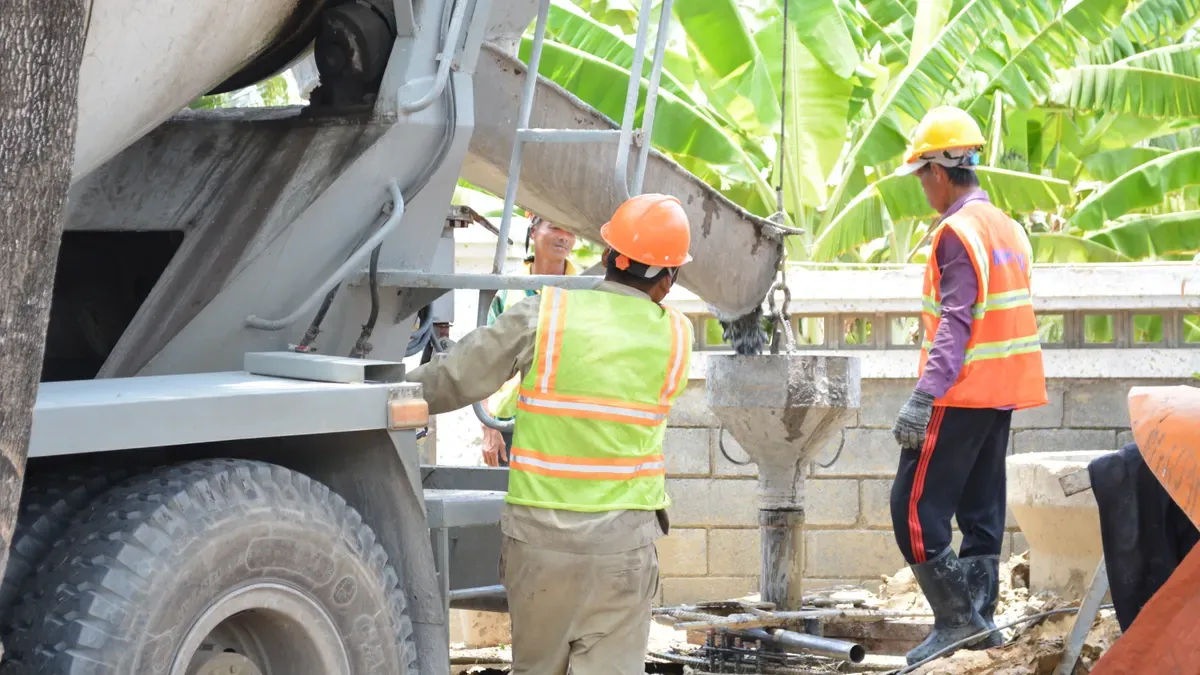
Rigorous site protocols protect your machinery investments and crew members. Smart contractors execute strict maintenance schedules to ensure top performance on demanding jobs. Following established operating rules prevents costly breakdowns while meeting safety requirements on every project.
Daily Maintenance Protocols
Daily care maintains consistent quality control during heavy pouring operations. Clean machinery processes batches efficiently and preserves overall equipment lifespan.
Drum Washout and Waste Handling
Clean your concrete mixer immediately after completing daily pours. Following specific daily steps prevents hardening material inside the drum:
- Post-Use Drum Rinsing: Run clean water inside the rotating container for 10 to 15 minutes right after use to loosen wet residue, then drain completely.
- Manual Residue Removal: Scrub stubborn hardened spots using a stiff brush or sponge to eliminate remaining concrete fragments.
- Daily Mechanical Lubrication: Grease all moving mechanical components daily based on manufacturer specifications to minimize friction.
- Fluid and Component Inspection: Check daily fluid levels and perform visual inspections on critical hardware.
Contractors must follow clear environmental standards for site waste management:
- Utilize leak-proof containers specifically for concrete washout to avoid ground leaching.
- Position containment units far from stormwater pathways to prevent hazardous runoff.
- Implement a routine service schedule to manage container capacity and prevent spills.
Build-Up Prevention on Blades
Hardened concrete on mixing arms ruins proper mixing techniques and reduces drum capacity. Spray chemical release agents on internal blades before loading aggregates to stop adhension. High-pressure washing with 2,500 PSI water streams removes fresh slurry from blade edges easily.
💡 Tip: Apply non-toxic release agents onto clean chute surfaces before starting morning operations. This quick step stops fresh concrete from sticking during fast discharge cycles.
Preventive Care Schedules
Structured inspections maintain machine reliability across continuous projects. You protect critical gear drives by addressing component wear early.
Gearbox, Seal, and Hydraulic Checks
Regular service checks prevent sudden operational failures. You must track wear conditions across primary drive components using structured schedules.
| Component | Inspection Frequency | Action Required |
|---|---|---|
| Gearboxes | Monthly & Annual | Monitor fluid levels, check for leaks, perform oil changes, and overhaul drum drives at 2000 hours. |
| Hydraulic Seals & Gaskets | Monthly & Annual | Check for fluid leakage or physical wear and replace degraded seals yearly. |
| High-Wear Parts (Blades & Liners) | Monthly & Annual | Inspect mixing blades for severe wear monthly and replace worn end-of-life parts annually. |
Engine Servicing for Maximum Uptime
Clean air filters and fresh engine oil maximize diesel engine performance. Checking hydraulic fluid levels daily preserves system power delivery under maximum loads. Proper maintenance helps contractors satisfy strict job site uptime requirements.
Operator Safety Standards
Safe job sites require well-trained operators and reliable protective mechanisms. Following best practices for mixing prevents accidents around revolving drums.
Lockout/Tagout Maintenance Rules
Always isolate power sources before entering drums or servicing drive belts. Technicians must attach physical padlocks and safety tags to master power switches. These protocols guarantee zero unexpected machine starts during internal cleaning routines.
Emergency Stops and Guarding
Modern concrete equipment features emergency stop buttons and mechanical safety guards near drive shafts. Operators should review safety tips when using mixers before starting daily shifts. Inspecting physical guards ensures your job setup fulfills safety requirements and maintains high worker productivity.
Smart concrete mixer selection drives overall jobsite efficiency. You must evaluate project scale, mixing mechanisms, power source options, and overall ownership expenses. Smart contractors optimize performance by reviewing total operational costs carefully.
| TCO Evaluation Category | Specific Factor | Estimated Cost Impact |
|---|---|---|
| Upgrades & Freight | Heavy cooling, ocean shipping | $2,000 – $8,000 |
| Customs & Prep | Import duties, site pads, commissioning | 5% – 20% duty + setup |
| Maintenance & Spares | Spare parts inventory, annual servicing | 3% – 10% of machine price |
This thorough analysis reveals true equipment expenses. Reliable CNWH machinery fulfills demanding site requirements. Robust machinery delivers continuous high performance across tough pours. Standardized fleet equipment simplifies routine maintenance protocols for busy contractors. Proper equipment selection guarantees long-term profitability. Thorough equipment selection optimizes your daily fleet productivity. High-grade equipment cuts unexpected downtime. Durable equipment protects your financial investments. Modern equipment elevates output consistency.
Are you ready to upgrade your job site equipment? Consult our specialized equipment team today to discuss your site requirements and concrete mixer needs. Request detailed spec sheets or obtain a direct quote for heavy-duty CNWH equipment!
FAQ
💡 Note: Reviewing key operational questions helps you optimize your fleet performance and prevent costly job site downtime.
What are the most important questions about concrete mixer purchasing?
You must evaluate your project scale, required batch yield, site access, and power options. Smart contractors ask important questions about concrete mixer capacity and daily output before buying. These factors determine the best equipment specifications for your specific job site requirements.
How do you match machinery to project size?
You analyze your total concrete volume and pour speed. Small residential jobs require agile towable equipment options. Meanwhile, commercial projects require high-yield batching plants or continuous mixing equipment. Proper concrete mixer selection ensures your job site maintains steady material flow and high productivity.
Why should you choose an electric concrete mixer?
You should choose an electric concrete mixer for indoor projects or urban sites with strict noise regulations. An electric concrete mixer produces zero direct emissions, operates quietly, and reduces engine maintenance expenses. However, your site equipment setup must connect to reliable utility power sources.
Which types of concrete mixers suit stiff, low-slump mixes?
Forced-action machinery handles stiff, zero-slump mixtures best. Pan mixers and twin-shaft units use motor-driven blades to slice through dense components. These specialized types of concrete mixers prevent drive motor stalling and optimize overall structural equipment operations.
How does machine maintenance impact quality control?
Routine cleaning prevents hardened material build-up on drum walls and blades. Proper daily service protects internal mixing components. This maintenance protocol preserves strict quality control by ensuring complete aggregate dispersion, which protects your equipment investment and guarantees consistent batch strength.
Should contractors rent or purchase new mixing machinery?
You should buy durable concrete mixer units if your fleet usage exceeds sixty percent annually. Purchasing machinery lowers long-term operational costs. However, contractors can rent specialized equipment for brief projects to avoid heavy initial capital spending and equipment storage demands.
What safety features must site machinery include?
Essential safety features include emergency stop buttons, protective guards over rotating drive components, and clear lockout/tagout mechanisms. These protective elements shield operators from mechanical hazards and help your site equipment fulfill strict regulatory safety requirements.
How do you select the right mounting option for mobile job sites?
You evaluate site terrain, transport frequency, and job mobility demands. Trailer-mounted machinery offers easy towing between urban sites. Meanwhile, rough-terrain self-loading units navigate unpaved remote locations easily. Selecting durable mobile equipment satisfies challenging site accessibility requirements.