
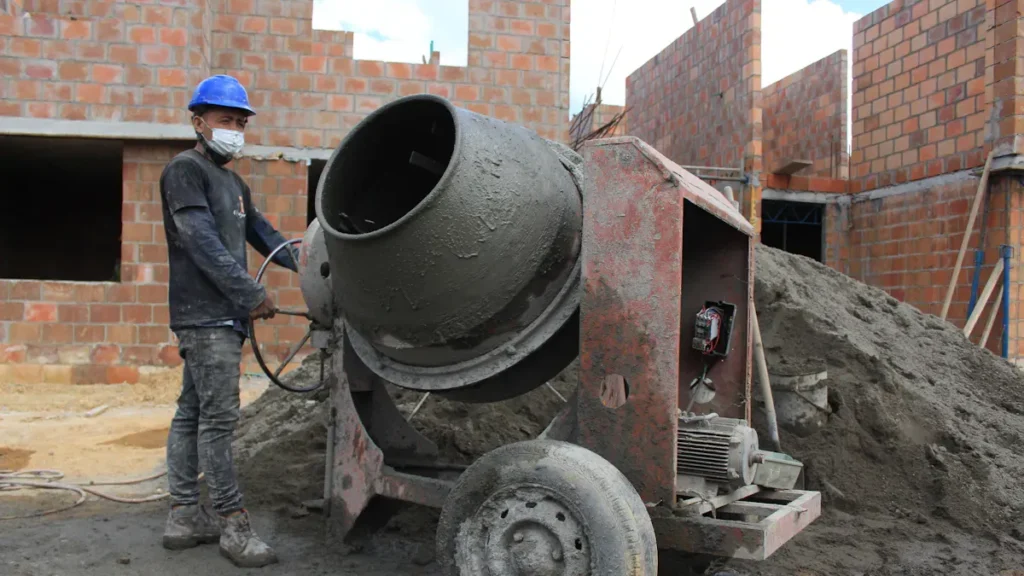
You want to find out if electric or gas concrete cement mixers are better for your job. Electric mixers are quiet. They are easy to use. They break down less often. Gas mixers are stronger. They can do bigger jobs. But they need more care. They are also louder. Gas mixers make more concrete at once. Electric mixers are good for small or home projects. cnbuildmachinery gives expert help. They have many mixers to choose from.
Key Takeaways
- Electric mixers are best for small or medium projects. They are quiet. They are simple to use. They do not need much care.
- Gas mixers have more power. They are good for big jobs. They can work in places with no electricity.
- Pick a mixer that fits your project size. Electric mixers are great for fixing things at home. Gas mixers are better for big building sites.
- Think about the site before you pick a mixer. Electric mixers need steady power. Gas mixers can move around more easily.
- Electric mixers are good for the environment. They do not make smoke. They are great for inside jobs where clean air is important.
- Gas mixers are noisy and make fumes. Use them outside or where noise and air are not a big problem.
- Look at your budget and future costs. Electric mixers usually cost less to run than gas mixers.
- Always pick a mixer that matches your skill. Electric mixers are easier for new users. Gas mixers need more care and skill.
Concrete cement mixers overview
Types of concrete cement mixers
You can choose from several types of concrete cement mixers. Each mixer fits a different job. cnbuildmachinery offers a wide selection. You will find mixers for small home projects and large construction sites. The table below shows the main types you might see:
| Type of Mixer | Description |
|---|---|
| Drum-mixer | Uses a rotating drum to mix concrete. Works well for small and medium jobs. Easy to move and operate. |
| Hand-pushed-mixer | Compact and portable. You push it by hand. It mixes concrete or mortar in tight spaces. Good for small repairs or home use. |
| Tilting Concrete Mixer | Has a drum that tilts for fast unloading. Handles bigger batches. You can use diesel, gasoline, or electric power. |
| Portable Drum Mixer (Tilt Drum) | Compact and wheeled. Runs on household power. Great for light jobs. |
| Towable Cement Mixer | Larger and hitch-mounted. Mixes more concrete per load. Suits contractors. |
| Volumetric Mixer | Truck-mounted. Mixes dry ingredients on-site. Best for big commercial projects. |
You see that cnbuildmachinery covers portable, towable, and volumetric mixers. Their mixers use modern features. You get efficient mixing and easy operation.
Drum-mixer
You use a drum-mixer for most standard jobs. The drum spins and mixes the materials. You get uniform concrete. Drum-mixers work well for residential and light commercial projects. You can move them around the site. You can use them for mortar mixer tasks too. They handle both concrete and mortar.
Hand-pushed-mixer
You pick a hand-pushed-mixer when you need something small and easy to move. You push it by hand. It fits in tight spots. You can use it for mortar mixer jobs. It mixes concrete and mortar for repairs or small builds. You do not need much training to use it.
Tilting Concrete Mixer
You choose a tilting concrete mixer for bigger jobs. The drum tilts to unload the mix fast. You can power it with diesel, gasoline, or electricity. It works well for large batches. You can use it for mortar mixer work if you need to mix a lot at once. It suits contractors and big projects.
Key features and applications
You want to know what makes each mixer special. You also want to know where you can use them. Here are some key features and typical uses:
- Drum-mixers give you uniform mixing. You use them for concrete and mortar mixer jobs in homes and small businesses.
- Hand-pushed-mixers are easy to move. You use them for mortar mixer work in tight spaces or on small sites.
- Tilting concrete mixers let you unload quickly. You use them for mortar mixer tasks and big concrete jobs.
- Portable drum mixers work well for light jobs. You use them for small batches of mortar or concrete.
- Towable mixers handle bigger loads. You use them for mortar mixer work on larger sites.
- Volumetric mixers mix on-site. You use them for high-volume mortar mixer jobs in commercial projects.
Tip: You should pick a mixer based on your project size and location. If you need to mix mortar for a small repair, a hand-pushed-mixer works best. If you need to mix a lot of mortar or concrete, a tilting concrete mixer saves time.
You see that concrete cement mixers from cnbuildmachinery fit many needs. You can use them for mortar mixer work in homes, businesses, or big construction sites.
Pros and cons of electric mixers
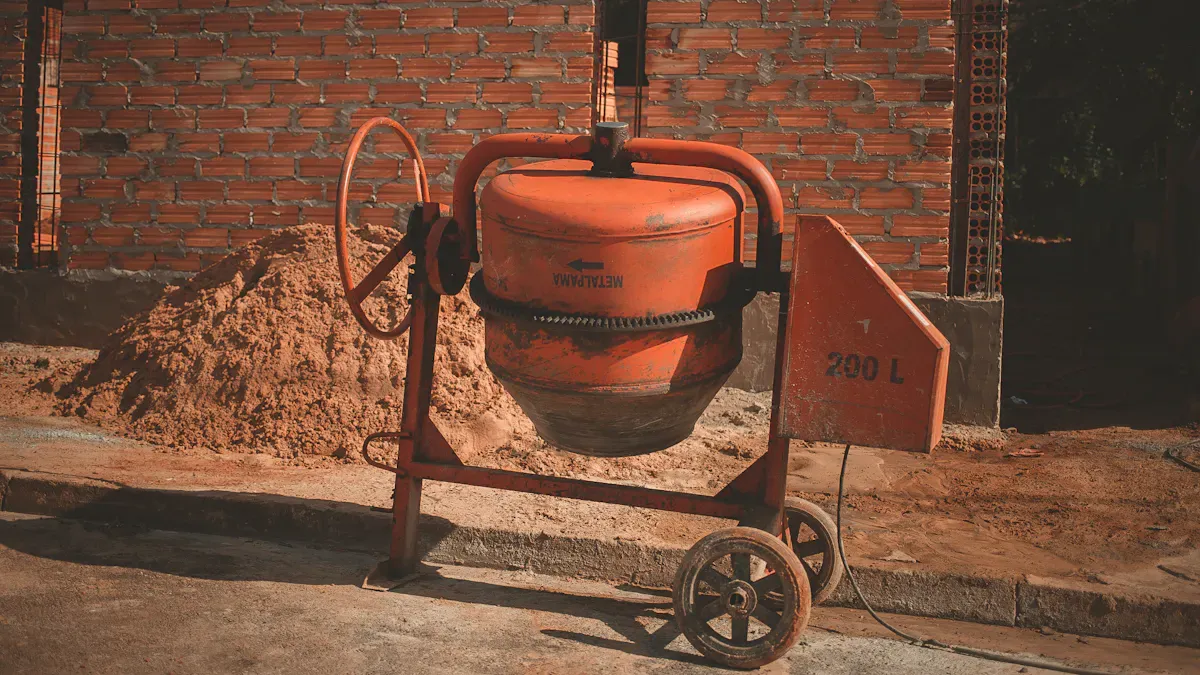
When you look at concrete cement mixers, you want to know the pros and cons of electric mixers. These mixers offer many benefits, especially for small and medium projects. You can find electric options in cnbuildmachinery’s drum-mixer and hand-pushed-mixer models. Let’s break down what makes electric mixers a smart choice and where they might not fit your needs.
Electric mixer advantages
Efficiency and performance
You get unmatched efficiency and speed with electric mixers. These machines automate the mixing process. You do not need to mix by hand. This saves you time and energy. You also get better concrete quality. The drum-mixer and hand-pushed-mixer from cnbuildmachinery blend materials evenly. You see fewer weak spots in your concrete or mortar mixer work. Over time, electric mixers can lower your costs. They use energy wisely and reduce the need for extra labor.
- Electric mixers speed up your work.
- You get consistent, high-quality mixes.
- You save money on labor and energy.
Ease of use and maintenance
You will find electric mixers easy to use. You can start them with one touch. Most people can learn to use them quickly. The design is simple. There are fewer parts that can break. You spend less time on repairs. You do not need to check fuel or clean air filters like you do with gas mixers. This means you can focus on your project, not on fixing your machine.
- Simple controls make operation easy.
- Low maintenance keeps your project moving.
- Less downtime means more productivity.
Quiet and eco-friendly operation
You will notice that electric mixers run quietly. You can use them in neighborhoods or indoors without disturbing others. These mixers do not produce fumes. You help protect the environment when you choose electric mortar mixers. This makes them a good fit for schools, homes, or any place where noise and air quality matter.
- Quiet operation suits indoor or residential sites.
- No exhaust fumes keep the air clean.
- You make a greener choice with electric mortar mixers.
Electric mixer limitations
Power and mobility constraints
You may find some cons with electric mixers. They need a power source. If you work in a remote area with no electricity, these mixers may not work for you. Gas or diesel mixers handle those jobs better. Electric mixers also have less power than gas models. For very large projects, you might need a stronger machine.
- Electric mixers need access to electricity.
- They may not suit large or remote projects.
Site requirements
You must check your site before choosing an electric mixer. Make sure you have a stable power supply. If your site has many obstacles or covers a wide area, moving an electric mixer can be harder. Hand-pushed-mixers help with mobility, but you still need to stay near an outlet.
- Electric mixers work best on sites with easy power access.
- They fit small to medium jobs in homes, shops, or schools.
Tip: If you need a mortar mixer for a small repair or indoor job, electric mixers are a top pick. For big outdoor projects far from power, consider other options.
You see that the pros and cons of electric mixers depend on your project needs. You get speed, easy use, and a cleaner worksite. You must have power nearby and may need more strength for bigger jobs.
Pros and cons of gas-powered mixers
Gas-powered mixers are strong and flexible. They can do tough jobs. You can use them where there is no electric power. If you need a mortar mixer for big projects or faraway sites, gas-powered mixers like the Tilting Concrete Mixer from cnbuildmachinery give you power and freedom.
Gas mixer strengths
High power and heavy-duty use
Gas mixers have more power than electric mixers. They have higher horsepower. They can mix bigger batches of concrete or mortar. You can use them for hard jobs on busy sites. Gas mixers work in any weather. They can run for many hours without stopping.
- Gas-powered mixers handle big loads and tough materials.
- You can use them all year, even in bad weather.
- They are strong and reliable for hard work.
If you need to mix lots of mortar or concrete fast, gas-powered mixers help you finish quickly. You will notice the difference on big foundations, road repairs, or commercial buildings.
Portability and remote operation
Gas-powered mixers are easy to move. You do not need to find an outlet. You do not need long cords. You can take your mixer anywhere. They are good for jobs in rural areas or places with no electricity.
- You do not need electrical outlets.
- Gas-powered mixers work well in faraway places.
- You can move them across big sites or rough ground.
- They mix big batches fast.
If you work far from power, gas-powered mixers let you keep working. You can use them for concrete and mortar mixer jobs anywhere.
Gas mixer drawbacks
Maintenance and operating costs
Gas-powered mixers cost more than electric mixers. You spend more money on care. Gas engines need oil changes and new spark plugs. You must pay for fuel. This makes your costs higher.
- Gas-powered mixers cost more at first.
- You need money for oil, spark plugs, and fuel.
- Maintenance takes more time and effort.
If you want a mortar mixer that is easy and cheap to use, electric mixers may be better for small jobs.
Noise and emissions
Gas-powered mixers are louder than electric mixers. You will hear them more, especially in quiet places. They make exhaust fumes. This can be a problem indoors or where air quality matters.
- Gas mixers are noisier than electric mixers.
- They release fumes that can hurt air quality.
- You may need extra safety steps indoors.
Think about these pros and cons before you choose. Gas-powered mixers give you power and freedom. But you must deal with extra costs and noise.
Tip: Pick a gas-powered mixer like the Tilting Concrete Mixer from cnbuildmachinery if you need high power and full mobility for big or faraway jobs. For smaller, indoor, or quiet jobs, electric mixers may be better.
Electric vs gas: comparison table
Performance and power
You might wonder how electric and gas-powered mixers are different. The biggest differences are in their power and how much they can mix. Electric mixers are good for small and medium jobs. They are quiet and do not make smoke or fumes. Gas-powered mixers are stronger. They can mix bigger amounts at once. You can use them for tough jobs on large sites.
Here is a quick look at the main features:
| Feature | Electric Mixers | Gas Mixers |
|---|---|---|
| Noise Level | Quieter | Noisy |
| Emissions | Zero emissions | Produces fumes |
| Power Source | Requires external power (120V/240V) | Runs on fuel |
| Torque | Lower torque limits batch size | High torque for large batches |
| Mobility | Limited mobility | Total mobility on job site |
| Maintenance | Low maintenance | More maintenance required |
| Mixing Speed | Slower mixing speeds | Faster mixing speeds |
Electric mixers work well inside homes or in neighborhoods. Gas-powered mixers give you more power and speed for big jobs. If you need to mix a lot of concrete fast, gas-powered mixers are best.
Cost and maintenance
You may also want to know about price and care. Electric mixers usually cost less to buy. They are cheaper to run because you do not need fuel. They are easy to take care of. You do not have to fix engine parts. Gas-powered mixers cost more at first. You spend more money on fuel and engine care.
Look at this table for a simple comparison:
| Aspect | Electric Mixers | Gas-Powered Mixers |
|---|---|---|
| Initial Purchase Cost | Generally less expensive upfront | Higher initial costs |
| Operational Costs | Lower operating costs | Ongoing costs for fuel and maintenance |
| Maintenance | Minimal maintenance required | Requires routine engine care |
If you want to save money, electric mixers help you spend less over time. Gas-powered mixers need more care and money for upkeep.
Convenience and mobility
You should think about how easy each mixer is to use and move. Electric mixers are best where you have steady power. They are quiet and clean, so you can use them inside or near homes. But you need to stay close to an outlet. This can make it hard to use them on big sites.
Gas-powered mixers let you work anywhere. You do not need to find a power source. You can take them to faraway job sites. They are made for outdoor work and rough ground. Gas-powered mixers give you more freedom, especially for big jobs.
- Electric mixers: Good for indoor and home jobs. They are quiet and do not make fumes. You need a good power supply.
- Gas-powered mixers: Best for outdoor or faraway sites. They are strong and easy to move. You do not need outlets.
Tip: Pick electric mixers for small, quiet jobs with easy power. Choose gas-powered mixers if you need to move around or work far from electricity.
cnbuildmachinery has both types, so you can find the right mixer for your project.
Environmental impact
You might wonder how concrete cement mixers affect nature. Electric mixers help keep your work area clean. They do not make exhaust fumes. You can use them inside or where air needs to stay clean. Electric mixers are quiet. They do not bother people nearby. You help the earth and lower noise with these mixers.
Gas-powered mixers are good for outside jobs. They let out exhaust gases. You will see smoke and smell fuel when using them. Gas mixers are louder than electric ones. You should think about air and noise if you work near homes or schools. Gas-powered mortar mixers burn fuel and make emissions. You need to follow safety rules and sometimes wear masks or earplugs.
Note: Electric mortar mixers are better if you want less pollution and noise. Gas mixers are fine for outdoor places where noise and fumes do not matter as much.
You help the planet by picking electric mixers for indoor or city jobs. Gas-powered mixers give you more power and freedom, but you must handle their effect on the environment.
Best fit for project types
You need to choose the right mixer for your job. Electric mixers are best for small projects. You use them for patios, driveways, or fixing things. These mixers are good for indoor jobs with little airflow. You can use them in cities where noise is a problem. Electric mortar mixers help you finish work quietly and without mess.
Gas-powered mixers are best for big projects. You use them for building foundations, roads, or big buildings. These mixers work well outside where there is no electricity. Gas-powered mixers can mix a lot at once. You get strong mixing for hard jobs. Gas-powered mortar mixers help with tough materials and big loads.
Here is a table to help you pick:
| Mixer Type | Best Uses |
|---|---|
| Electric Mixers | Indoor jobs with little airflow, city areas with noise rules, small jobs like patios or driveways. |
| Gas-Powered Mixers | Big jobs that need strong mixing, outdoor sites with no power, mixing lots for foundations, roads, or big buildings. |
You can see electric mixers are good for small, quiet, and indoor jobs. Gas-powered mixers are best for big, hard, and outdoor jobs. You can pick from cnbuildmachinery’s mixers to fit your needs. You get good results and the right mixer for every job.
Tip: Think about your job size, place, and if you have power before you pick. Electric mixers help you work quietly and cleanly. Gas-powered mixers give you strength and let you move for big jobs.
Choosing the right concrete cement mixer
Project size and scope
You need to match your mixer to your project size. Small jobs, like patios or home repairs, need a simple solution. Electric mixers work well for these tasks. They are light and easy to move. You can finish small batches quickly. For medium-sized jobs, such as sidewalks or small buildings, you need more power. Gas mixers handle these projects better. They mix more concrete at once and keep up with your work pace. Large projects, like roads or big buildings, need heavy-duty mixers. These mixers can run all day and make large amounts of concrete without stopping.
Here is a table to help you choose the right mixer size:
| Project Type | Recommended Volume Range | Primary Applications | Key Considerations |
|---|---|---|---|
| Small Residential | 1-3 cubic feet | Patios, small foundations | Portability, ease of use |
| Medium Commercial | 4-9 cubic feet | Sidewalks, small buildings | Production rate, quality |
| Large Industrial | 12+ cubic feet | Roads, infrastructure | Continuous operation, reliability |
- For small projects, pick a mixer that is easy to move and simple to use.
- For medium jobs, choose a mixer that can handle more concrete and work longer.
- For large projects, look for a mixer that can run all day and keep up with high demand.
Site conditions and power access
You must think about where you will use your mixer. If you work indoors or in a city, electric mixers are a smart choice. They make less noise and do not create fumes. You can use them in places where air quality matters. If you work outside or far from power, gas mixers are better. They do not need an outlet. You can use them anywhere, even on rough ground or remote sites.
- Electric mixers need a steady power supply. They are best for indoor jobs or places with easy access to electricity.
- Gas mixers work well in remote areas. You do not need to worry about finding power. They are strong and can handle tough jobs.
- If you work underground or in a closed space, electric mixers keep the air clean.
- If you work on a big outdoor site, gas mixers give you the freedom to move and work without limits.
Here is a quick guide:
| Mixer Type | Suitability | Notes |
|---|---|---|
| Gas-Powered Towable Mixers | Heavy-duty, remote projects | Ideal for outdoor and off-grid sites |
| Electric Mixers | Indoor, small projects | Not practical in remote areas |
Tip: Always check your job site for power sources and space before you choose your mixer.
User experience and preferences
You should pick a mixer that matches your skill level. If you are new to mixing concrete, choose a simple machine. Electric mixers are easy to use. They have fewer parts and need less care. You can start them with one button. If you have more experience, you might want a mixer with more features. Gas mixers give you more power, but they need more attention. You must check the engine and add fuel. They are louder and make fumes, so you need to use them outside.
- If you want a quiet, easy-to-use mixer, electric models are best.
- If you need more power and do not mind extra steps, gas mixers are a good choice.
- Always look for mixers with safety features, like overload protection and stable bases.
Note: Choose a mixer that fits your comfort level. A simple, reliable mixer helps you work safely and get good results.
Budget and long-term value
You want to get the most out of your money when you buy concrete cement mixers. You need to think about both the price you pay now and how much you will spend over time. The right choice helps you save money and work better for years.
Here is a table to help you compare electric and gas mixers:
| Type | Advantages | Disadvantages |
|---|---|---|
| Electric | Lower operating costs, consistent power, less maintenance, no fuel costs, quieter, lower emissions | Only works where you have electricity |
| Gas | Easy to move, works in remote places without power | Costs more to run, needs more maintenance |
Electric mixers usually cost less to run. You do not need to buy fuel. You spend less time fixing them. They are quiet and good for the environment. You need to have electricity at your site. Gas mixers cost more to use because you need to buy fuel and do more engine care. You can use them anywhere, even far from power.
When you think about long-term value, you should look at how fast you can earn back your money. Many people get their money back in 6 to 12 months if they use their mixer a lot. Sometimes, it can take 2 to 4 years to see a full return, especially if you use your mixer less often or if the market changes.
- You can get your money back in 6 to 12 months if you use your mixer often.
- If you use your mixer less, it may take 2 to 4 years to earn back your investment.
- Good planning and smart use help you save money faster.
You should always think about how often you will use your mixer and where you will use it. If you want to save money over time, electric mixers are a smart choice for places with power. If you need to work in many places, gas mixers give you more freedom, but you will spend more on fuel and care.
Tip: Write down your costs and how much you plan to use your mixer. This helps you pick the best mixer for your budget and needs.
You now know the big differences between electric and gas concrete cement mixers. Here is a simple summary:
| Feature | Gas Mixer | Electric Mixer |
|---|---|---|
| Power Source | Petrol Engine | Electric Motor |
| Capacity (L) | 250-400 | 120-250 |
| Best for | Outdoor, Large Sites | Indoor, Small Projects |
| Noise Level | 85-100 dB | 60-75 dB |
| Mobility | High | Moderate |
Pick your mixer by thinking about your project size, where you will work, and what you need:
- Big outdoor jobs need strong mixers that move easily.
- Small indoor jobs are better with quiet, clean mixers.
- Drum size and how easy it is to get to your site are important for every job.
Think about the good and bad points before you decide. If you want help, cnbuildmachinery can set up your mixer, give you spare parts, and help with repairs. You can always ask their team to help you pick the right mixer.
FAQ
What size mixer should you choose for home projects?
You should pick a small electric drum-mixer or hand-pushed-mixer. These models work well for patios, sidewalks, and repairs. They are easy to move and use.
Can you use electric mixers outdoors?
Yes, you can use electric mixers outdoors if you have a safe power source. Make sure you protect the cord from water and keep the mixer dry.
How often do you need to maintain a gas-powered mixer?
You should check oil, fuel, and air filters before each use. Clean the mixer after every job. Change spark plugs and oil as the manual suggests.
Are electric mixers safe to use indoors?
Yes, electric mixers do not produce fumes. You can use them indoors or in closed spaces. Always keep the area dry and follow safety tips.
What is the main advantage of a tilting concrete mixer?
A tilting concrete mixer lets you unload concrete quickly. You save time on big jobs. You also get a more even mix with less effort.
How do you clean a concrete mixer after use?
Fill the drum with water and a little gravel. Run the mixer for a few minutes. Empty it and rinse well. Clean the outside with a brush.
Can you mix mortar and concrete in the same mixer?
Yes, you can use the same mixer for both mortar and concrete. Clean the drum well between uses to avoid leftover material mixing in.