
You maximize job site productivity by choosing the right cement mixer. Effective concrete mixer selection demands matching four core factors: output volume, mobility, power source, and mix chemistry. Use this guide to optimize equipment selection for your fleet.
| Factor | Requirements |
|---|---|
| Volume | Daily batch target |
| Mobility | Towable or stationary |
| Power | Electric, gas, diesel |
| Chemistry | Aggregates and slump |
Evaluate job site requirements before bidding. Smart choices help contractors lower total operational costs in the modern construction industry. Procurement professionals and contractors rely on these performance metrics.
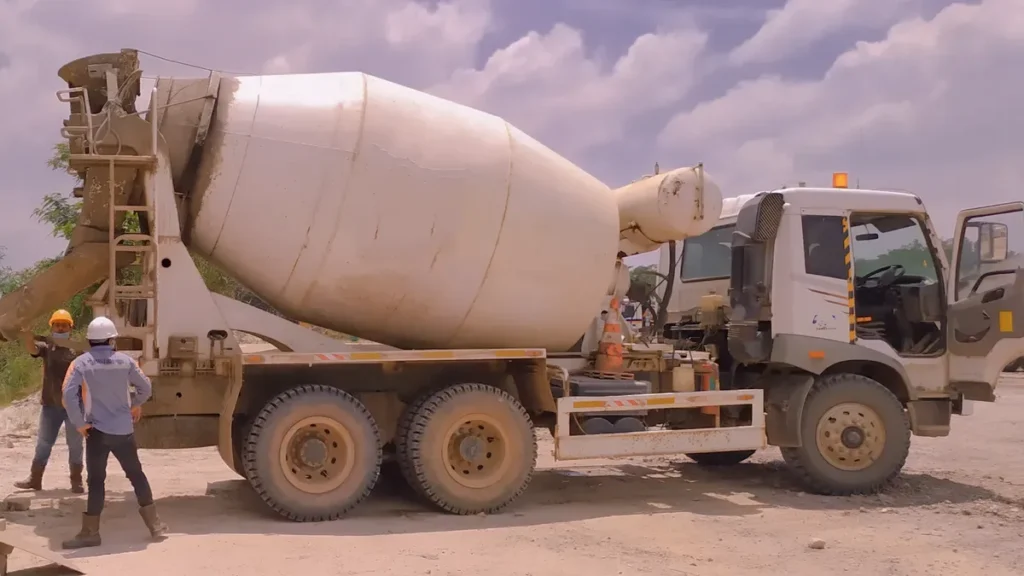
Key Takeaways
- Contractors must match four core factors: batch volume, site mobility, power source, and mix chemistry.
- Batch mixers process concrete in cycles, while continuous mixers deliver an uninterrupted stream of material.
- Volumetric mixers store dry ingredients separately and mix concrete on demand directly at the job site.
- Operators should fill drums to two-thirds capacity to protect gears and achieve proper material mixing.
- Electric motors suit indoor zero-emission sites, whereas diesel engines provide high torque for remote projects.
- Hydraulic skid steer attachments easily convert standard loaders into mobile concrete batching systems.
- Mortar mixers use rotating rubber paddles to scrape sticky sand and lime mixtures from drum walls.
- Renting equipment saves money for short projects, while buying builds equity for high annual usage.
Cement Mixer Types and Operational Mechanics
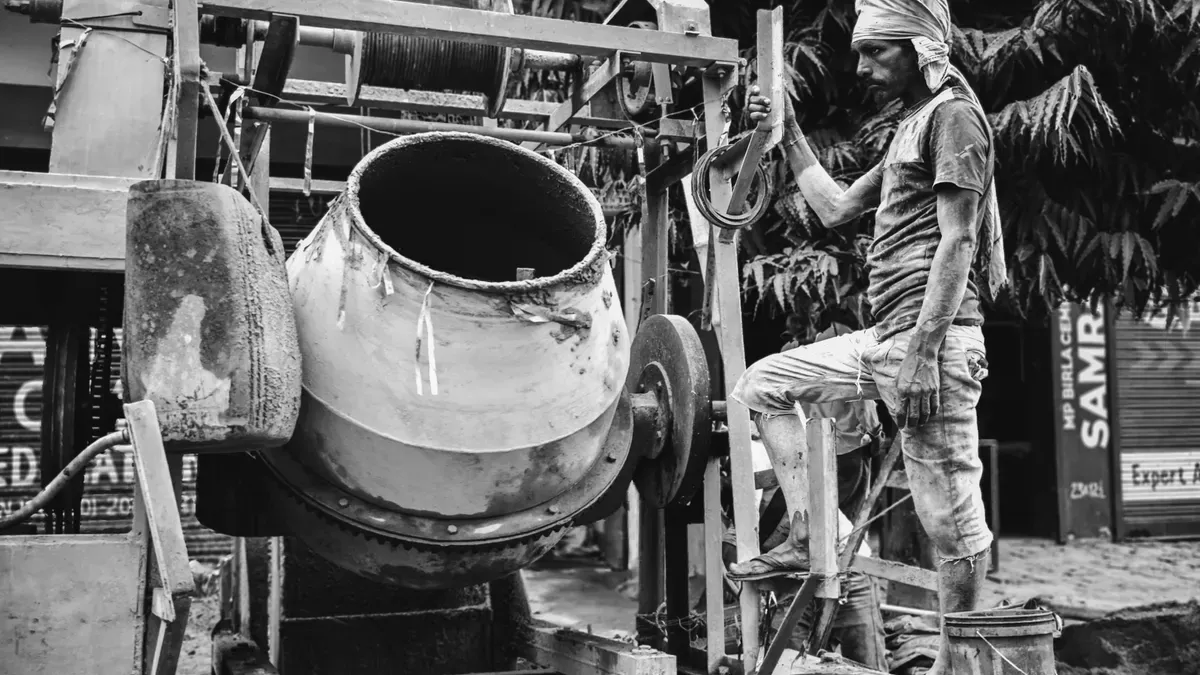
Understanding concrete mixer types helps you choose the right machine for your job site. Equipment choice directly impacts project speed, batch quality, and overall labor efficiency. Contractors classify mixing equipment into two primary operational families: batch mixers and continuous mixers.
💡 Operational Tip: Batch mixers process materials sequentially. You must clear and clean the drum between distinct cycles. Continuous mixers accept a steady stream of raw materials at one end and discharge mixed material non-stop from the other end.
| Mixer Category | Operational Mechanics | Output Efficiency & Performance |
|---|---|---|
| Drum Mixers | A rotating drum uses interior stationary blades to lift and drop ingredients repeatedly. | Economical for large volume demands; generates a steady supply but offers less precise mixing control and longer mixing cycles. |
| Pan Mixers | A stationary circular pan uses internal rotating blades and scrapers to knead ingredients. | Delivers faster cycle times and superior mix consistency, making it optimal for small batches and precast applications rather than massive continuous pours. |
| Continuous Mixers | A non-tilting drum uses internal screw-type rotating blades at a 15-degree downward angle to move materials. | Highly efficient for high-demand or remote site projects by delivering an uninterrupted stream of concrete, though it exhibits reduced adaptability for changing mix formulas. |
Drum Mixers for Standard Batching
Drum mixers handle heavy raw materials reliably on conventional job sites. You load aggregates, water, and cement into a rotating container. Internal flights lift the material to the top of the drum. Gravity then pulls the material back down to create a uniform mix.
Tilting Drum Mixers for High-Slump Pouring
Tilting drum units discharge mixed material by pivoting the drum downward. You gain complete control over the discharge flow rate. This design excels when you handle high-slump formulations with high liquid content. The rapid discharge mechanism leaves minimal residual buildup inside the drum.
Non-Tilting Mixers for Continuous Discharge
Non-tilting machines maintain a fixed horizontal axis during operation. You reverse the internal chute or insert a discharge chute to extract the material. These units serve well in stationary production lines. You maintain steady batch production without shifting heavy mechanical frames.
Reversing Drum Mixers for Large Aggregates
Reversing drum systems rotate in one direction for mixing cement and reverse rotation for discharging. Helical blades mounted inside the drum push material toward the discharge opening during reverse rotation. You can process heavy mixtures containing large coarse aggregate sizes without jamming the blades.
Pan and Planetary Mixers
Pan and planetary units offer forced-action mixing mechanics for specialized applications. These machines meet strict structural requirements on modern construction projects.
Forced-Action Mechanics for Low-Slump Mixes
Forced-action mixers force blades through stationary material inside a rigid pan. This mechanical force breaks up stubborn clods quickly. You achieve high production efficiency when working with dry, zero-slump mixtures.
| Key Mixing Feature | Practical Benefit for Low-Slump & Precast Concrete |
|---|---|
| Ability to Process Stiff Mixes | Easily handles rigid, high-strength concrete formulations required in precast plants. |
| Counter-Current Planetary Motion | Rotates and revolves simultaneously to achieve complete particle distribution and high precision. |
| Uniform & Homogeneous Blending | Distributes cement, aggregates, and admixtures evenly while minimizing material segregation. |
| Reduced Air Pockets | Maintains uniform density and structural strength across all cast elements. |
| Faster Batching Times | Delivers shorter mixing cycles, accelerating production output without diminishing quality. |
| High Repeatability & Stability | Ensures precast elements remain dimensionally stable, strong, and consistent across multiple batches. |
Planetary Motion for Homogeneous Blending
Planetary designs rotate star-like mixing arms while simultaneously revolving around a central axis. This dual motion eliminates dead zones inside the pan. You achieve consistent material density across every batch. Specialized precast operations rely on this system to satisfy rigid job site requirements.
Twin-Shaft Mixers for Civil Projects
Heavy infrastructure work demands rapid output and high mechanical torque. Twin-shaft units meet these demanding job specifications.
High-Shear Mixing Action and Speed
Twin horizontal shafts rotate in opposite directions at high speed. The overlapping blade patterns create high shear forces within the mixing zone. You complete intense mixing cycles within thirty seconds. This fast mechanical action boosts output for massive civil engineering works.
Liner Plates and Wear Component Durability
A heavy-duty cement mixer subjects internal components to continuous abrasive wear. Twin-shaft units feature replaceable high-chromium liner plates along the mixing trough. You replace individual worn tiles instead of replacing the entire shell. Proper equipment selection reduces maintenance downtime and protects long-term operational budgets. You easily satisfy project requirements while extending the total service life of your concrete mixer.
Volumetric and Continuous Mixers
Unlike standard batching concrete mixers, volumetric units store dry ingredients in separate compartments. These specialized machines carry sand, aggregates, water, and cement powder across job sites without mixing them beforehand. You transform raw materials into fresh concrete on demand by engaging the system directly at the pour site.
🚚 Key Advantage: Volumetric mixers eliminate batch set-time limits. You control production speed and pour exact quantities whenever your crew needs material.
Mobile Batching Plants and Bin Capacity
Volumetric trucks function as self-contained mobile batching plants. Heavy-duty internal compartments hold each raw material in precise quantities. The main aggregate and sand bins occupy the rear frame. Cement powder rests in a sealed top bin, while onboard tanks hold mixing water and chemical admixtures.
You maximize operational efficiency through optimal bin capacity selection. Traditional drum capacity restricts project timelines because mixed batches begin curing immediately during transit. Volumetric units avoid this issue completely. You can park a high-capacity mobile unit on-site for hours and mix concrete only when your placement crew is ready.
| Equipment Specification | Standard Volumetric Unit | Large Mobile Plant |
|---|---|---|
| Aggregate Bin Capacity | 6 to 8 cubic yards | 10 to 12 cubic yards |
| Water Tank Volume | 300 to 500 gallons | 500 to 800 gallons |
| Production Rate | 30 to 60 yards per hour | Up to 90 yards per hour |
Metered Calibrations and Zero-Waste Pours
Precision calibration systems control the flow of raw ingredients into the mixing auger. Mechanical gates and aggregate belts feed materials at exact volumetric ratios. You adjust mix designs instantly from structural foundation mixes to fast-setting slurry blends with simple control panel inputs.
A volumetric concrete mixer produces concrete on-demand directly at the job site. This method yields minimal material waste. A traditional mixer truck carries pre-mixed batches liable to spoil if delays happen on site. Unused wet mixes end up dumped in waste pits. You eliminate the transit time risks associated with a standard mixer truck by mixing materials continuously in an internal auger trough.
| Equipment Type | Waste Reduction Rating | Handling of Unused Materials |
|---|---|---|
| Volumetric Continuous Mixer | High | Remaining raw ingredients stay unmixed and usable for future jobs |
| Traditional Drum Transit Mixer | Low | Unloaded or returned batches are spoiled and thrown away |
Continuous volumetric mixers leave remaining raw inputs intact inside their bins. You preserve unmixed cement, water, and aggregates for your next project. This process eliminates leftover disposal costs and maximizes long-term resource efficiency for your fleet.
Concrete Mixer Selection: Capacity and Volume
Your job site success relies on accurate concrete mixer selection. You evaluate total project size, daily output requirements, and pour rates before buying machinery.
Calculating Yield Versus Rated Capacity
Manufacturers measure mixing tanks by gross interior space. You cannot fill drums completely during active operation.
The Two-Thirds Rule in Drum Fill Rates
You must limit raw ingredients to roughly two-thirds of total drum capacity. Overfilling a drum reduces mixing action. You compromise final material quality when ingredients cannot tumble freely. Respecting proper drum capacity limits protects internal components from premature gear wear.
Accounting for Aggregate Density and Air Entrainment
Heavy aggregates lower maximum batch size limits. Air entraining agents expand final batch volume slightly. You track key batch capacity metrics to ensure high structural strength across all pours.
| Capacity Metric | Definition & Impact on Daily Pour Volume |
|---|---|
| Drum Volume | Measures overall interior capacity inside the mixing chamber. |
| Usable Batch Volume | Represents real output per batch, capped at 50–60% of drum volume. |
| Batch & Daily Output Rates | Evaluates volume output per hour to project daily schedules. |
| Capacity Metric | Description & Daily Volume Relevance |
|---|---|
| Rated Capacity | Manufacturer design limit for proper agitation performance. |
| Nominal Capacity | Standard generalized rating used for quick fleet reference. |
| Practical Load | Actual usable volume per trip considering job site constraints. |
Matching Output to Daily Placement Rates
Matching machine output to daily placement schedules prevents cold joints. Proper machine selection streamlines site labor.
Small Footprint Pours Under Ten Cubic Yards
Intermittent repair work needs compact equipment. You choose a concrete mixer with portable towable frames for small footings or sidewalks. Small units offer adequate drum capacity for quick batching on demand.
Mid-Scale Slabs and Foundation Operations
Medium slab projects require steady continuous output. Smart equipment selection provides consistent material flow for foundation teams. High-performance formulas reach targeted concrete strength through uniform blade agitation. You satisfy all project requirements without overloading equipment.
Continuous Mass Concrete Placement
Massive pours require high-volume batching plants. Professional contractors choose stationary setups for large civil infrastructure projects. This specialized equipment selection prevents pour delays on fast-paced sites. A continuous concrete mixer maintains steady discharge rates to fulfill large pour requirements. Smart concrete mixer selection matching overall capacity with placement demands keeps your project on budget. You satisfy strict engineering requirements while achieving superior concrete strength. Successful contractors maintain high site efficiency across every project phase.
Concrete Mixer Buying Guide: Power Options
Power selection directly determines mixing speed and cycle times. You evaluate job site location, grid accessibility, and indoor constraints before purchasing equipment. This buying guide helps contractors match motor specifications with operational demands.
Electric Concrete Mixers
Electric concrete mixers minimize daily running expenses when you connect directly to utility lines. They deliver sustained torque for small to medium pour volumes.
Single-Phase Versus Three-Phase Motors
Single-phase motors run on standard household supplies. Compact units use 110-volt systems pushing up to 1.5 HP. However, these lower voltage setups demand double the amperage. Heavy-duty units require 220-volt or three-phase power supplies. These configurations run 1 to 5 HP motors efficiently without tripping breakers.
| Equipment Scale | Voltage Requirement | Motor Power | Amperage & Circuit Notes |
|---|---|---|---|
| Large / Heavy-Duty Mixers | 220 Volts | 1 to 5 HP | Draws half the amperage of 110V units for higher power. |
| Compact / Standard Mixers | 110 Volts | 1/3 to 1-1/2 HP | Draws double the amperage, needing thicker extension cords. |
Indoor Operation and Zero-Emission Sites
Quiet, zero-emission electric models satisfy strict urban air quality requirements. You operate these units inside enclosed buildings without dangerous exhaust fumes.
Gasoline-Powered Mixers
Gas-powered concrete mixers offer complete independence from electrical grids. You maintain high productivity in remote environments without utility access.
Remote Site Portability and Fuel Storage
Gasoline engines offer higher power and faster drum speeds. You move these portable units across rugged job site terrain easily. However, safety standards force contractors to store fuel in approved containers away from direct heat.
⛽ Operational Note: Gas units eliminate power cable constraints in off-grid areas. However, you must schedule regular oil changes and spark plug maintenance.
Recoil Versus Electric Start Performance
Manual recoil ropes provide dependable starting mechanisms without heavy battery requirements. Electric start keys reduce worker fatigue during frequent start-stop cycles.
Diesel Engine Mixers
Diesel units deliver maximum output capacity for heavy construction. You choose diesel systems for continuous duty cycles on large infrastructure projects.
High-Torque Output for Heavy Aggregates
Diesel engines generate extreme low-end torque. This power turns dense aggregates smoothly without stalling the drum.
| Feature / Attribute | Electric Mixers | Gas / Petrol Mixers | Diesel Mixers |
|---|---|---|---|
| Fuel Efficiency & Costs | Low energy cost on utility grids. | Higher cost due to fuel consumption. | Highly efficient for continuous output. |
| Power Output | Sustained torque; best for steady batches. | Higher power and faster mixing speeds. | Highest horsepower and strong torque. |
| Site Accessibility | Requires grid access or generators. | Grid-independent for remote sites. | Independent of grids; ideal for harsh sites. |
Fleet Fuel Standardization and Engine Life
Contractors often standardize fleet equipment on diesel fuel. Diesel engines feature durable cast-iron blocks that outlast gasoline counterparts under constant load. Proper selection balances initial investment against long-term operational durability.
Hydraulic and PTO Driven Systems
Hydraulic and Power Take-Off (PTO) systems eliminate the need for dedicated standalone engines on your mixing units. You tap directly into the auxiliary hydraulic power of your existing job site machinery. This power section of our buying guide explains how integrated hydraulic attachments optimize job site workflows.
Auxiliary Power via Skid Steers and Excavators
You mount specialized mixer attachments directly onto your skid steer, wheel loader, or excavator. Quick-attach mounting plates let your operator connect hydraulic hoses within seconds. The host machine drives the internal auger or paddle shaft effortlessly.
🚜 Field Advantage: Hydraulic attachments turn your standard skid loader into a mobile batching system. You scoop raw aggregate, blend ingredients, and transport wet concrete across muddy sites with a single machine.
Using auxiliary hydraulic power offers several operational advantages for contractor fleets:
- Lower Maintenance Costs: You service fewer internal combustion engines across your job sites.
- Superior Site Mobility: Your loader navigates rough terrain to place wet concrete into tight locations easily.
- Reduced Equipment Weight: You haul lighter attachment tools on your equipment trailers.
A tractor-mounted PTO concrete mixer connects directly to the drive shaft of your utility tractor. The primary engine transfers continuous high torque to rotate heavy aggregates smoothly. You eliminate separate engine maintenance while working on agricultural and remote utility projects.
Variable Speed Control for Precise Discharge
Hydraulic drive systems give you exact control over drum rotation speeds. You adjust fluid flow valves to alter paddle RPM instantly. You increase rotation speed for fast mixing, then reduce speed for careful placement into narrow forms.
| Performance Feature | Auxiliary Hydraulic Drive | Tractor PTO Drive |
|---|---|---|
| Primary Power Source | Auxiliary fluid lines | Mechanical tractor driveshaft |
| Directional Control | Instant hydraulic reverse | Gearbox reverse control |
| Speed Adjustment | Variable flow control valve | Engine engine throttle RPM |
Variable speed controls protect your pouring crew from sudden material surges. You reverse auger rotation instantly to clear jammed rocks or initiate controlled discharge. Operators deposit precise amounts directly into foundation footings, reducing cleanup labor and material waste.
Site Mobility and Equipment Transportation
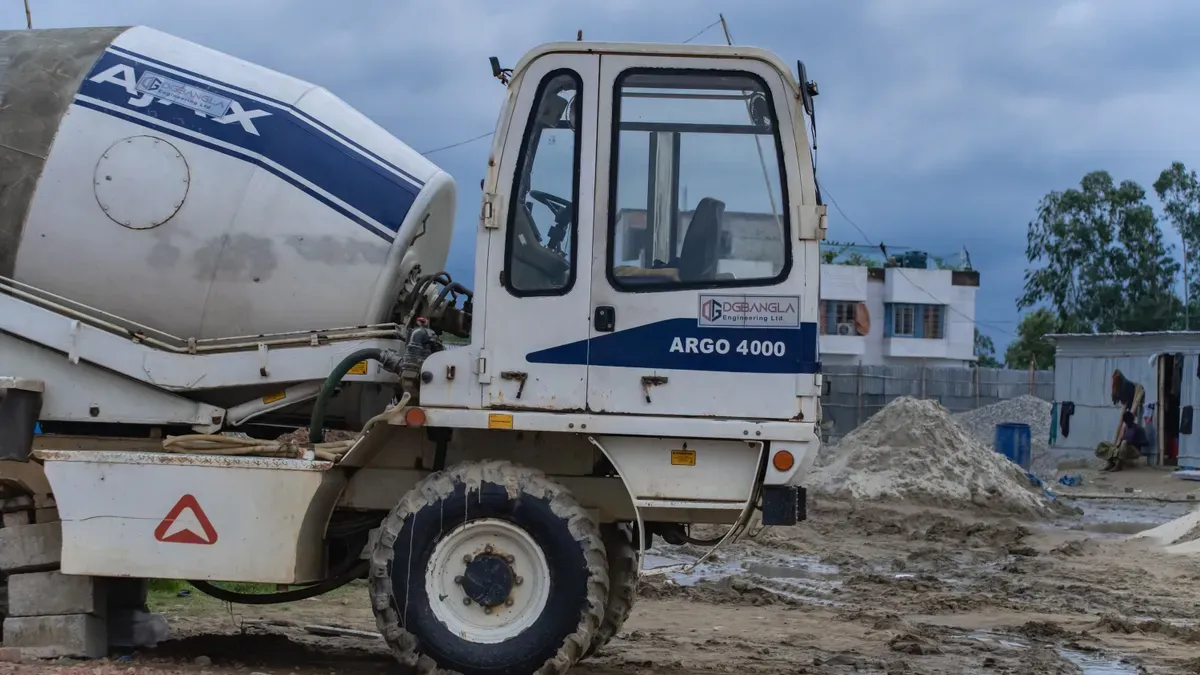
Your equipment selection determines transit speeds, setup times, and site placement efficiency. Mobility features dictate how easily teams relocate assets across active construction jobs.
Stationed and Skid-Mounted Mixers
Stationary setups serve long-term production needs on demanding construction projects. You position these rugged units directly on concrete slabs to support heavy continuous output. You choose a stationary concrete mixer for high-volume central batching.
Semi-Permanent Plant Setup and Mounting
Fixed site conditions demand robust anchoring systems. You secure skid-mounted frames onto reinforced foundation pads using heavy anchor bolts. Proper alignment satisfies site stability requirements while reducing operational vibration. Smart concrete mixer setup improves daily productivity.
Crane and Rigging Lift Requirements
Heavy stationary units require certified crane services during installation. You inspect integrated lifting lugs to satisfy safety requirements before hoisting machinery. Professional contractors calculate total rigging weight accurately to prevent job site accidents.
🏗️ Safety Tip: Always verify crane load charts and hook capacities before lifting heavy stationary machinery onto elevated platforms.
Towable Highway-Rated Mixers
Towable concrete mixers offer quick mobilization between job sites. You hitch these agile machines directly to standard pickup trucks for swift highway transit.
Torsion Axles, Tires, and Towing Speeds
Independent torsion axles absorb road shocks during fast highway transit. You select pneumatic radial tires to meet strict highway speed requirements. Proper equipment selection prevents frame stress during long distance hauls.
| Feature | Highway Towable Unit | Standard Site Unit |
|---|---|---|
| Axle Type | Heavy-duty torsion axle | Rigid solid axle |
| Towing Speed | Up to 55 MPH | Under 15 MPH |
| Hitch Style | Ball or pintle hitch | Manual yard tow bar |
Frame Rigidity and Staging Footprints
Contractors appreciate compact staging footprints in tight work areas. Steel channel frames provide structural rigidity on bumpy access roads. Careful machine selection simplifies placement in narrow alleys.
Track and Truck-Mounted Mobile Units
Self-propelled units move material directly to pour concrete locations. These systems eliminate manual wheelbarrow transport across difficult subgrades.
Navigating Rough Terrain and Subgrades
Rubber tracks crawl across soft mud and steep inclines without sinking. An all-wheel drive mixer truck handles challenging subgrade conditions easily. A specialized mixer truck delivers fresh concrete across uneven soil. Every mixer truck in your fleet must satisfy ground pressure requirements.
Turning Radii and Urban Site Clearances
Tight city streets present difficult navigation hazards. You operate a short-wheelbase mixer truck to maneuver around tight corners easily. A compact mixer truck fits into narrow alleyways without blocking traffic.
📍 Site Clearance Note: Check overhead power lines and bridge heights before routing a heavy mixer truck through dense urban centers.
Smart equipment selection optimizes project delivery speeds. Proper model selection matches site mobility features with job requirements. Smart fleet selection protects your budget.
Material Chemistry and Mix Specifications
Concrete Versus Mortar and Plaster Mixers
You must match equipment mechanics with your specific material chemistry. Choosing a standard cement mixer for sand-heavy mixes causes premature failure. A dedicated mortar mixer uses stationary drums with rotating paddles to wipe interior surfaces clean.
Rubber-Tipped Paddles Versus Steel Blades
A mortar mixer relies on flexible rubber-tipped paddles to wipe sticky mortar off drum walls. Standard steel blades in a drum concrete mixer work well for coarse gravel, but they fail to scrape heavy mud. You need a dedicated mortar mixer to process lime and plaster mixes efficiently. Rubber wiper blades prevent sticky build-up and maintain targeted mix strength. Different types of mortar mixers fulfill various job requirements on masonry projects.
Preventing Sand Separation and Scrape Needs
Sand-heavy mixes settle quickly without aggressive wiping action. A paddle-style mortar mixer forces fine aggregates into a continuous suspension. You avoid sand separation during batching to achieve high-quality results across every wall section. Understanding various types of mortar mixers helps you meet strict job site requirements. Using an appropriate mortar mixer ensures high bond strength in finished masonry units.
Specialized Materials Handling
Specialized materials demand advanced mixing mechanics to achieve full design performance. You evaluate material density and curing time against equipment capabilities.
Ultra-High-Performance Concrete Blending
Ultra-high-performance concrete requires intense mechanical shear to disperse silica fume particles. High-energy batching satisfies these application-specific requirements. You must select a heavy-duty pan or twin-shaft batching unit for dense formulations. Proper dispersion increases final concrete strength to industrial structural standards. A high-capacity mortar mixer cannot process heavy concrete aggregates without risking motor burnouts. A well-maintained mortar mixer delivers consistent batches for non-aggregate mixes.
Refractory Materials and Fiber-Reinforced Concrete
Refractory materials generate extreme heat and friction during fast processing cycles. Adding steel or synthetic fibers to concrete improves flexural resistance significantly. You need a specialized mixer type to distribute dense fibers without balling or clumping. This forced-action process fulfills rigid design requirements across industrial linings. A stationary mortar mixer handles smaller fiber mortar blends effectively for repair work. Selecting the right mortar mixer improves job site efficiency on custom builds.
Rapid-Setting Cement and Slump Retention
Rapid-setting binders lose workability within minutes of water contact. Fast placement prevents cold joints and structural defects. You align mixing speed with application-specific requirements to maintain proper slump retention. Quick discharge mechanisms prevent premature hardening inside your equipment. A modern mortar mixer simplifies daily cleanup after fast pours. Meeting these operational requirements safeguards ultimate concrete strength and project longevity.
Total Cost of Ownership and Procurement
Smart contractors calculate total asset expenses before signing purchasing contracts. Your equipment selection processmust balance immediate capital outlay against ongoing operating expenses. You maximize long-term profitability by analyzing overall lifecycle performance.
Purchase Versus Rental Decisions
Buying machinery outright works best when you manage continuous pour schedules. Short-term rentals protect cash flow during intermittent job cycles.
Project Duration and Equipment Utilization
Many contractors prefer renting concrete mixers for jobs lasting under three months. Rental units eliminate storage fees and off-season depreciation. However, purchasing a concrete mixer makes financial sense when your fleet maintains utilization rates above sixty percent across multiple construction projects. High annual usage lowers your per-yard operational cost significantly.
💰 Financial Tip: Calculate your breakeven threshold early. Renting becomes inefficient once total rental fees exceed fifty percent of the initial equipment cost.
Equipment Depreciation and Tax Considerations
Capital equipment purchases unlock valuable tax benefits for your business. Section 179 tax deductions let you write off full machinery purchase prices during the first operational year. Strategic equipment selection balances tax write-offs against long-term project requirements. You improve annual financial planning while building balance sheet equity.
Operating and Maintenance Cost Factors
Ongoing maintenance impacts profitability heavily over time. You must plan for recurring wear items and routine labor expenses.
Wear Part Cycles for Drums and Blades
A heavy-duty concrete mixer suffers constant mechanical abrasion from heavy aggregates. Mix drum liners, mixing blades, and discharge chutes require periodic replacement to fulfill daily pour requirements.
| Component | Average Service Life | Replacement Expense Impact |
|---|---|---|
| Mixing Blades | 300 – 500 Operational Hours | Low Capital Outlay |
| Drum Liners | 1,000 – 1,500 Operational Hours | Medium Capital Outlay |
| Drive Gears | 2,000+ Operational Hours | High Capital Outlay |
Experienced contractors track wear cycles diligently to meet strict operational requirements. You avoid costly site breakdowns by swapping worn blades before batch quality degrades.
Washout Systems, Cleanup Time, and Labor
Daily cleanup demands dedicated labor hours after every pour shift. Automated high-pressure washout systems reduce manual scrape time. You save worker hours while keeping drum interiors smooth for fresh concrete placement. Rigorous equipment selection lowers labor expenses while meeting clean job site requirements.
Fuel Consumption and Utility Power Costs
Savvy contractors analyze power source efficiency to satisfy job site requirements. Electric models cost less to run per hour than diesel engines. However, diesel engines provide total mobility in remote areas without utility grid access. Proper power choices align fuel burn rates with job estimates while protecting your overall profit margins.
Contractor Decision Guide and Field Checklist
You field-verify site conditions before placing orders. Choosing the right cement mixer requires an accurate assessment of physical job site limits. Smart contractors complete thorough site surveys to prevent operational bottlenecks. Use this field guide to complete your site evaluation.
On-Site Infrastructure Evaluation
Your site infrastructure must support daily utility needs. Verify electrical connections for voltage compatibility before machinery arrives. Diesel units demand secure fuel delivery paths on construction projects. You must match motor specifications with local power availability. Meeting these site requirements ensures continuous daily operation on active construction sites.
Power Grid and Fuel Delivery Access
Your power grid must supply stable current under full load conditions. Inspect temporary service panels to confirm single-phase or three-phase power support. Remote sites require planned fuel drop schedules for continuous engine running. Meeting power supply requirements avoids costly batch delays.
Access Route Widths and Bearing Capacity
Heavy mixing units require wide access roads and solid subgrades. You evaluate entry gates, overhead clearances, and soil bearing capacity before delivery. Verifying bridge load capacity prevents transit hazards during equipment mobilization. Satisfying ground bearing requirements keeps heavy haul trucks moving safely.
| Field Evaluation Factor | Operational Verification |
|---|---|
| Power Infrastructure | Verify supply voltage against motor requirements. |
| Fuel Logistics | Establish safe fuel delivery schedules on site. |
| Access Clearance | Measure gateway width and ground bearing capacity. |
Final Specification Verification
Smart contractors execute concrete mixer selection based on long-term output goals. Proper equipment selection optimizes overall project workflow. Final machine selection depends on daily output targets, while careful model selection prevents site delays. Your unit selection shapes operational efficiency, and this selection process minimizes capital risk. Professional contractors streamline daily job operations through rigorous planning.
📋 Field Checklist: Always cross-reference application-specific requirements with actual site conditions before finalizing machine orders.
Cycle Time Calculations from Load to Discharge
Calculate total cycle times from loading raw materials to final discharge. Short cycle times boost output and improve labor efficiency. You choose a concrete mixer that maintains consistent speed under heavy loads during structural concrete pours. Proper agitation develops high structural strength across all pours. Smart concrete mixer selection protects your job schedule while satisfying batching requirements.
Spare Parts Availability and Warranty Terms
Experienced contractors evaluate dealer support networks and component warranties. Essential buying tips include verifying local spare parts inventories to prevent downtime. Comprehensive equipment selection considers total manufacturer support.
You satisfy application-specific requirements by matching drum torque with aggregate density. High mix consistency guarantees design strength in structural slabs. You select machinery confidently when equipment selection aligns with project requirements and overall operational requirements.
Professional construction contractors build a decisive operational framework around job requirements. Smart concrete mixer selection balances mix chemistry, batch volume, site mobility, and total ownership costs. Contractors evaluate site requirements to choose a durable cement mixer for heavy demands.
💡 Operational Efficiency: Prioritize machine durability over lower initial purchase prices. Advanced equipment selection with automated material feeds minimizes idle crew downtime, directly lowering labor costs.
Your final equipment selection must protect project schedules against delay risks. Proper concrete mixer selection matches machinery specs directly to job demands. Contractors optimize site productivity through precise equipment selection while satisfying all project requirements.
FAQ
How do you choose between drum and continuous concrete mixers?
Select drum concrete mixers for discrete, batch-by-batch pours with standard aggregates. Choose continuous models when your job site demands a constant material stream without batch set-time limits. Continuous units eliminate transit risks and reduce overall material waste on large civil projects.
What is the main operational difference between a concrete mixer and a mortar mixer?
Concrete mixers process gravel and large aggregates using tumbling action. A mortar mixer uses rotating rubber-tipped paddles inside a stationary drum to scrape heavy sand and lime mixtures, preventing material separation.
What is the two-thirds rule for mixer drum capacity?
💡 Capacity Tip: You must fill mixer drums to only two-thirds of their total interior volume.
Overfilling limits free-fall tumbling action, creates poor material consistency, and accelerates gear wear. Respecting this limit ensures optimal batch strength and equipment longevity.
Should you choose an electric or diesel power option for your site?
Select electric motors for indoor operations or zero-emission urban sites with direct grid access. Pick high-torque diesel engines when you work on off-grid, remote infrastructure projects requiring continuous heavy-aggregate batching.
How do hydraulic attachments turn skid steers into mobile batching plants?
Hydraulic attachments mount directly to host equipment like skid steers. You scoop dry aggregates, inject water, and mix material using the host machine’s auxiliary power. This setup lets you transport and pour fresh concrete across rough terrain easily.
Is buying or renting a mixer better for short-term projects?
Rent machinery for projects under three months to avoid maintenance and storage expenses. Buy equipment when your fleet exceeds sixty percent annual utilization across multiple sites to maximize long-term tax write-offs and asset value.