
To choose the best cement mixer mixer, you must match its size, type, and features to your project. Think about how big your project is. Look at the mixer type, power source, how strong it is, how easy it is to move, its features, price, and what other users say. cnbuildmachinery gives trusted cement mixer mixer choices for many concrete jobs. Many people make mistakes when picking a cement mixer mixer. You could buy a cement mixer mixer that is too big or has too many features and waste money. Some people pick a cement mixer mixer that is too small and their project gets delayed. Others forget to see if the cement mixer mixer works well with their way of mixing concrete. Before you pick a cement mixer mixer, think about what your project needs and what kind of concrete mixing you will do.
- Common mistakes when picking a cement mixer mixer:
- Buying a cement mixer mixer with more capacity or features than needed
- Picking a cement mixer mixer that cannot handle your project
- Not thinking about how the cement mixer mixer fits with your way of mixing concrete
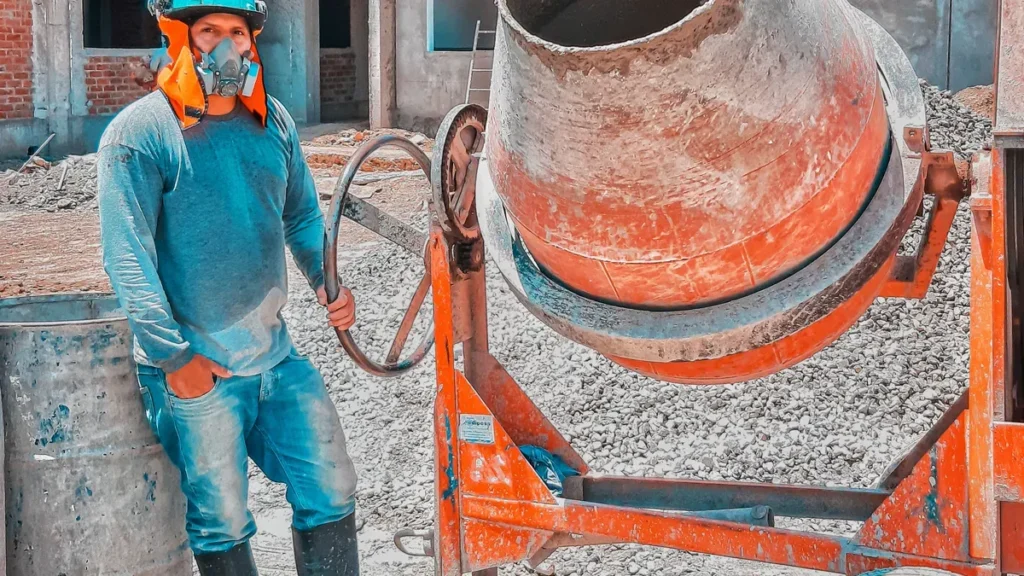
Key Takeaways
- Pick a mixer size that fits your project. Small jobs need small mixers. Big projects need mixers with more space.
- Think about what materials you will mix. Some mixers work best for concrete. Others are better for mortar or special mixes.
- Decide how often you will use the mixer. If you use it a lot, you need a stronger and more powerful model.
- Try not to make mistakes like picking a mixer that is too big or too small.
- Check how well the mixer is made. A steel drum and frame help it last longer.
- Look for features that make it easy to move. Hand-pushed and tilting mixers help in small spaces.
- Think about the power source. Electric mixers are good for places with power. Diesel mixers are good for places far away.
- Read reviews from other users. Reviews help you learn about how well the mixer works and if it is reliable.
Project Requirements
Before you pick a cement mixer mixer, you need to look at your project requirements. Every project is different. You want to make sure you choose the right mixer for your project. Let’s break down what you should think about.
Project Size
The size of your project matters a lot. If you have a small project, like fixing a sidewalk or doing a DIY job, you don’t need a big mixer. For a medium project, such as building a garage or a small house, you need a mixer with more capacity. Large commercial or industrial projects need high-output mixers that can handle a lot of concrete at once. Here’s a table to help you see which mixer fits your project:
| Project Size | Mixer Capacity |
|---|---|
| Small repairs or DIY projects | Smaller batch mixer |
| Medium-scale construction | 12 cubic feet or more |
| Large commercial or industrial | High-output continuous mixer |
If you want to see how real companies handle their projects, check out cnbuildmachinery’s customer stories. For example, a construction company in Manila used a mix of drum mixers and mortar mixers to finish a housing project faster and save money. They matched the mixer to each project area, so every mix was right for the job.
Material Types
Think about what materials you need to mix for your project. Some projects use regular concrete. Others need mortar or special mixes for plastering. The type of material affects which mixer you should pick. Here are some tips:
- Pick mixers made from strong materials like steel. This helps your mixer last longer and makes it easier to clean after each project.
- Choose the mixing mechanism that fits your project. Drum mixers work well for most concrete mixes. Twin-shaft mixers are good for bigger projects or when you need a very uniform mix.
If your project needs different mixes, like high-strength concrete for foundations and smooth mortar for walls, you might need more than one mixer. cnbuildmachinery offers mixers for all kinds of projects, so you can always find the right tool for your mix.
Usage Frequency
How often you use your mixer affects your project costs. If you use your mixer every day for a big project, it will wear out faster. If you only use it once in a while, it will last longer. Here’s a quick look at how usage frequency changes your project:
- Frequent use can cause faster wear and tear.
- Daily use for large projects may shorten the mixer’s lifespan.
- The amount of concrete you mix each day affects how long your mixer stays in good shape.
Some contractors buy their own mixers for big projects to save money. They avoid paying suppliers again and again. If your project needs a lot of mixes, investing in a good mixer makes sense.
You should always match your mixer to your project needs. Look at the size, material types, and how often you’ll use the mixer. Real-world stories from cnbuildmachinery show that picking the right mixer for each project area can save time and money. Every project is unique. Make sure your mixer fits your project and gives you the best mix every time.
Mixer Size & Capacity
Picking the right mixer size is one of the most important steps in your project. If you get it wrong, you might waste money or slow down your work. Let’s break down how you can choose the best size and capacity for your cement mixer mixer.
Choosing Mixer Size
You need to match the mixer size to your project. If you have a small job, like fixing a fence post or patching a sidewalk, you don’t need a huge mixer. For bigger jobs, like pouring a garage floor or building a foundation, you need more capacity. The right mixer size helps you work faster and keeps your project on track.
Here’s a table that shows common mixer sizes and where they work best:
| Mixer Category (Nominal Size) | Approximate Yield (Usable Concrete) | Ideal Project Applications |
|---|---|---|
| Small Batch (2, 4 cu. ft.) | 1.5, 3 cu. ft. (1-2 wheelbarrows) | Fence posts, small patching, mortar, garden pathways |
| Mid-Sized Residential (5, 9 cu. ft.) | 3.25, 6 cu. ft. (3-5 wheelbarrows) | Driveways, garage floors, patios, retaining walls |
| Commercial/Large Scale (10+ cu. ft.) | 6.5 cu. ft. and up (6+ wheelbarrows) | Large slabs, multi-story foundations, highway repair |
If you want a mixer for a medium project, like a small house or a driveway, you should look for a mixer with a capacity of 12 cubic feet or more. This size gives you enough concrete for bigger pours without slowing you down.
cnbuildmachinery offers drum-mixer models that fit small and medium jobs. These mixers are easy to move and simple to use. If you need to mix dry mortar or special materials, the horizontal-mixer is a great choice. It comes in different sizes, so you can pick the one that matches your project.
Tip: Always check the mixer size before you buy. If you pick a mixer that is too small, you will spend more time mixing and less time building.
Capacity Options
Mixers come in many sizes and capacities. You can find small portable mixers for home repairs or large batch systems for commercial work. The mixer capacity tells you how much concrete you can mix at one time. If you need to pour a big slab, you want a mixer with a large capacity.
Here are some common capacity options:
- Small mixers: 2 to 4 cubic feet. Good for patching and small repairs.
- Medium mixers: 5 to 9 cubic feet. Perfect for driveways and patios.
- Large mixers: 10 cubic feet and up. Best for commercial jobs and big foundations.
cnbuildmachinery’s drum-mixer comes in sizes from 180L to 750L. You can pick the capacity that fits your project. The horizontal-mixer offers even more options, from 100L up to 500L. These mixers help you handle different materials and project sizes.
If you need to mix mortar for walls or plaster, the horizontal-mixer gives you the right capacity and mixing power. For concrete foundations, the drum-mixer is a solid choice. You can always find a mixer size that matches your needs.
Common Sizing Mistakes
Many people make mistakes when picking mixer size. These mistakes can cost you time and money. Here are some of the most common sizing errors:
- You buy a mixer based on price, not on what you really need. This can lead to higher costs later.
- You pick a mixer that is too big. Oversized mixers cost more to move and service. They might sit unused for most of your project.
- You choose a mixer that is too small. Undersized mixers slow down your work and make your team work harder.
- You misunderstand the difference between dry volume and usable batch yield. This can cause delays and wasted materials.
- You select a drum size based on your biggest dream, not your actual project. This leads to mismatched equipment and frustration.
If you pick the wrong mixer size, you might feel like you’re trying to fill a swimming pool with a garden hose. Always match the mixer size to your real project needs.
cnbuildmachinery’s drum-mixer and horizontal-mixer give you flexible options. You can choose the size and capacity that fits your project. If you need help, their team can guide you to the right mixer size.
Note: Don’t let sizing mistakes slow down your project. Take time to check your project size and pick the mixer that fits.
You can avoid common sizing mistakes by thinking about your project, checking the mixer size, and picking the right capacity. With cnbuildmachinery’s range of drum-mixer and horizontal-mixer models, you can always find a mixer that matches your needs.
Mixer Type Selection
Choosing the right mixer type can make your project smoother and your concrete better. Each type has its own strengths. Let’s look at the main options you’ll find at cnbuildmachinery and see how they fit different jobs.
Drum Mixer (cnbuildmachinery)
You see drum mixers on many job sites. This mixer type uses a rotating drum to mix concrete. The drum turns, and the blades inside lift and drop the mix. This action gives you a uniform blend. Drum mixers are simple to use and easy to move. You can pick from different sizes, so they work for small repairs or bigger pours.
Drum mixers shine when you need a reliable, all-around mixer. They handle most concrete mixes well. If you have a project like a driveway, patio, or small foundation, this type is a solid choice. You get good mixing quality without a lot of fuss.
Here’s why you might pick a drum mixer:
- Simple design means less maintenance.
- Easy to clean after each use.
- Good for small to medium projects.
- Portable models let you move from spot to spot.
Drum mixers from cnbuildmachinery come in sizes from 180L to 750L. You can find the right type for your job, whether you’re patching a sidewalk or pouring a slab. If you want a mixer type that’s easy to use and lasts a long time, this is a great pick.
Horizontal Mixer (cnbuildmachinery)
A horizontal mixer works differently. This mixer type uses a horizontal drum with spiral ribbons or paddles inside. The blades move the mix from end to end, making sure everything blends fast and evenly. You get a high-quality mix, even with tough materials like dry mortar or special plasters.
Horizontal mixers are perfect for jobs that need speed and power. If you work in a lab, need to test materials, or have a project with lots of dry or sticky mixes, this type stands out. You can use it for wall plasters, masonry mortars, or even artificial marble.
Let’s compare the main features of each mixer type:
| Feature | Vertical Mixers | Horizontal Mixers | Drum Mixers |
|---|---|---|---|
| Mixing Speed | Slower | Fast | Moderate |
| Cost | Lower | Higher | Moderate |
| Maintenance | Low | Higher | Low |
| Space Requirement | Compact | Larger footprint | Moderate |
| Cleaning Ease | Easy | Moderate | Difficult |
You can see that horizontal mixers give you fast mixing and high quality. They do take up more space and cost more, but you get top results. cnbuildmachinery’s horizontal mixer comes in sizes from 100L to 500L. You can pick the type that matches your project’s needs.
Here’s when to choose a horizontal mixer:
- You need fast, even mixing for special materials.
- Your project has strict quality rules.
- You want to mix dry, hard, or sticky materials.
- You work in a lab or need to test mixes.
This mixer type is a favorite for professionals who want the best results every time.
Vertical Mixer (cnbuildmachinery)
A vertical mixer stands tall and takes up less floor space. This mixer type uses blades that spin inside a vertical drum. The mix moves up and down, blending everything together. Vertical mixers are easy to clean and simple to maintain. You can use them for many materials, like wall plasters, masonry mortar, or even lightweight concrete.
Vertical mixers work well for small to mid-sized jobs. If you have a tight workspace or need a mixer that’s easy to move, this type is a smart pick. You get good mixing quality without needing a lot of room.
Here’s what makes vertical mixers a good choice:
- Compact design fits in small spaces.
- Low maintenance keeps costs down.
- Easy to clean after each batch.
- Handles many types of mixes.
cnbuildmachinery’s vertical mixer comes in sizes from 200L to 500L. You can find the type that fits your project, whether you’re working on a house or a small commercial job.
Tip: Always match the mixer type to your project’s needs. If you pick the right type, you get better concrete and finish your job faster.
When you look at all the options, think about your project size, the materials you’ll use, and how much space you have. Drum mixers are great for general use. Horizontal mixers give you speed and power for special jobs. Vertical mixers fit tight spaces and are easy to keep clean. Each mixer type from cnbuildmachinery helps you get the job done right.
Hand-Pushed & Tilting Mixers
You want a mixer type that’s easy to move and simple to use? Hand-pushed and tilting mixers might be just what you need. These mixers shine when you work in tight spaces or need to switch locations often. Let’s break down what makes them special.
Hand-Pushed Mixers
Hand-pushed mixers from cnbuildmachinery give you flexibility and speed. You can roll them right where you need to mix. The compact design fits through narrow doors and crowded job sites. You don’t need a big team to move these mixers. One person can handle the job.
Why choose a hand-pushed mixer type?
- 🚶♂️ Move it anywhere with ease.
- 🏗️ Perfect for small jobs, repairs, or scattered work points.
- 💡 Simple controls mean anyone can use it.
- 🔋 Works with standard power or diesel, so you can use it almost anywhere.
Here’s a quick table to help you see where hand-pushed mixers fit best:
| Mixer Type | Best For | Power Options | Capacity Range | Portability |
|---|---|---|---|---|
| Hand-Pushed Mixer | Small repairs, tight spaces, scattered sites | Electric, Diesel | 280L-600L | High |
You can use a hand-pushed mixer for patching sidewalks, fixing fence posts, or mixing mortar for indoor walls. If your project has lots of small tasks spread out, this mixer type keeps you moving fast.
Tip: If you work in a city with narrow streets or inside buildings, a hand-pushed mixer saves you time and energy.
Tilting Mixers
Tilting mixers make unloading concrete easy. You just tilt the drum and pour out the mix. This mixer type is great when you need to fill wheelbarrows or pour concrete into forms quickly. You don’t have to scoop or shovel. The tilting action does the work for you.
Why pick a tilting mixer type?
- ⏩ Fast unloading with less effort.
- 🛠️ Great for medium to large pours.
- 🔄 Multiple power options: electric, diesel, gasoline.
- 🏠 Works well for home builds, commercial jobs, and big repairs.
Check out this table for tilting mixer details:
| Mixer Type | Best For | Power Options | Capacity Range | Unloading Method |
|---|---|---|---|---|
| Tilting Mixer | Medium/large pours, quick unloading | Electric, Diesel, Gasoline | 350L-700L | Tilting Drum |
You can use a tilting mixer for pouring garage floors, patios, or foundations. The tilting drum lets you unload concrete fast, so you keep your project moving.
Note: If you need to pour concrete in batches and don’t want to waste time, a tilting mixer is a smart choice.
Which Mixer Type Should You Pick?
If you need to move your mixer often or work in tight spots, go with a hand-pushed mixer. If you want fast unloading and bigger capacity, choose a tilting mixer. Both mixer types from cnbuildmachinery are built tough and easy to use. You get reliable performance and less downtime.
Quick Recap:
- Hand-pushed mixers = mobility and simplicity.
- Tilting mixers = speed and easy unloading.
- Both mixer types help you work smarter, not harder.
You can check out cnbuildmachinery’s hand-pushed and tilting mixers for your next project. Pick the mixer type that fits your job, and you’ll see better results every time.
Power & Performance
You want your cement mixer to keep up with your project. Power and performance matter a lot. If you pick the wrong mixer power, you might slow down your work or waste energy. Let’s look at how you can choose the best power sourcefor your site and get the mixing results you need.
Electric vs Diesel Mixers
You have two main choices for mixer power: electric or diesel. Each one fits different job sites and mixing needs.
- Electric concrete mixers work well in places with steady power. Most models plug into a 120V outlet. Bigger mixers need 240V. You get quiet operation and less maintenance. If your site is close to a power source, electric mixers make your job easier.
- Diesel mixers shine on remote sites. You don’t need extension cords or a generator. Diesel engines give high torque and handle heavy mixing jobs. They work best outdoors because they produce exhaust. You must check oil and fuel often, but you get strong performance for big projects.
If you need a portable concrete mixer, cnbuildmachinery offers both electric and diesel options. You can pick the mixer power that matches your site and mixing tasks.
Mixing Speed & Efficiency
Mixing speed affects how fast you finish your project. You want a mixer that blends materials quickly and evenly. If your mixer is too slow, you waste time. If it’s too fast, you might not get a good mix.
Portable concrete mixers from cnbuildmachinery use strong motors. Small units have motors as low as 1/3 HP. Heavy-duty models go up to 1.5 HP. Diesel mixers can have engines from 5 to 7 HP. These mixers handle drums from 6 to 9 cubic feet. You get steady mixing and reliable performance.
Here’s a quick table to help you compare:
| Mixer Power Source | Mixing Speed | Best Use | Maintenance |
|---|---|---|---|
| Electric | Moderate | Indoor, near power | Low |
| Diesel | High | Outdoor, remote | Medium |
You can see that electric mixers are good for indoor jobs and places with easy access to power. Diesel mixers are better for outdoor sites and heavy mixing tasks.
Site Power Needs
Your job site decides which mixer power you need. If you work in a city or near a building, you can use an electric mixer. If you work far from power lines, a diesel portable concrete mixer is your best friend.
- Electric mixers need a power outlet within 50 feet. You get easy mixing and less noise.
- Diesel mixers don’t need cords. You can move them anywhere. They work well for big pours and tough mixes.
Portable concrete mixers from cnbuildmachinery give you flexibility. You can pick the right mixer power for your site. If you need to move your mixer often, choose a portable concrete mixer with wheels. You get fast mixing and easy transport.
Tip: Always check your site’s power before you buy a mixer. If you pick the right portable concrete mixer, you save time and get better mixing results.
Mixing is the heart of your project. If you match your mixer power to your site, you get smooth mixing and strong performance. Portable concrete mixers help you work faster and smarter. You can trust cnbuildmachinery to give you the right mixer for your job.
Durability & Maintenance
Build Quality
When you choose a cement mixer, you want it to last a long time. Durability is important because mixers do hard work and face bad weather. You should pick a mixer with a steel drum. Steel drums are stronger than plastic or thin metal. A strong frame and good wheels keep your mixer steady, even on bumpy ground. Heavy-duty bearings help the drum spin easily and last longer. Motor housing that blocks dust and rain helps your mixer work for years.
Here are things to look for in a strong mixer:
- Steel drum for better durability
- Reinforced steel frame
- Abrasion-resistant blades
- Heavy-duty bearings
- Precision welding
- Anti-vibration support
- Rust-resistant drum
- Well-protected motor housing
cnbuildmachinery makes mixers with these strong features. Their mixers use thick steel, tough blades, and motors that keep out dust and water. You get a mixer you can trust, even for hard jobs.
Tip: Always check the build quality before you buy a mixer if you want it to last.
Maintenance Tips
Taking care of your mixer is easy if you follow some simple steps. Clean the drum every day so concrete does not build up. If concrete dries inside, it can make the mixer shake and wear out. Check the belt and motor often. This helps you find problems early and keeps the mixer working well. If you use a gas mixer, check the fluid levels. Lubricate moving parts to stop them from rubbing too much, but do not oil the gears unless the manual says so. Always use original spare parts. They fit right and last longer.
Here is a quick checklist for mixer care:
- Clean the drum every day
- Inspect belts and motors regularly
- Check fluid levels for gas models
- Lubricate moving parts as needed
- Use original spare parts
cnbuildmachinery makes mixers that are easy to clean and fix. You spend less time fixing and more time mixing concrete.
Note: Good care helps your mixer last longer and saves you money.
Longevity Factors
If you want your mixer to last for many projects, you need to keep it clean and check it often. Clean the drum every day to stop buildup. Check belts and motors to keep everything working well. Check fluid levels to protect the engine. Lubricate moving parts to stop them from wearing out. These steps help your mixer work well, even on tough jobs.
Strong materials and smart design help your mixer last longer. Regular care stops surprise problems and keeps your mixer working right. If you pick a mixer with good build quality and take care of it, it will last for years.
cnbuildmachinery makes mixers that last a long time. Their strong build and easy care help you get the most from your mixer.
If you want a mixer that works well for years, pick one that is built strong and take good care of it.
Portability & Storage
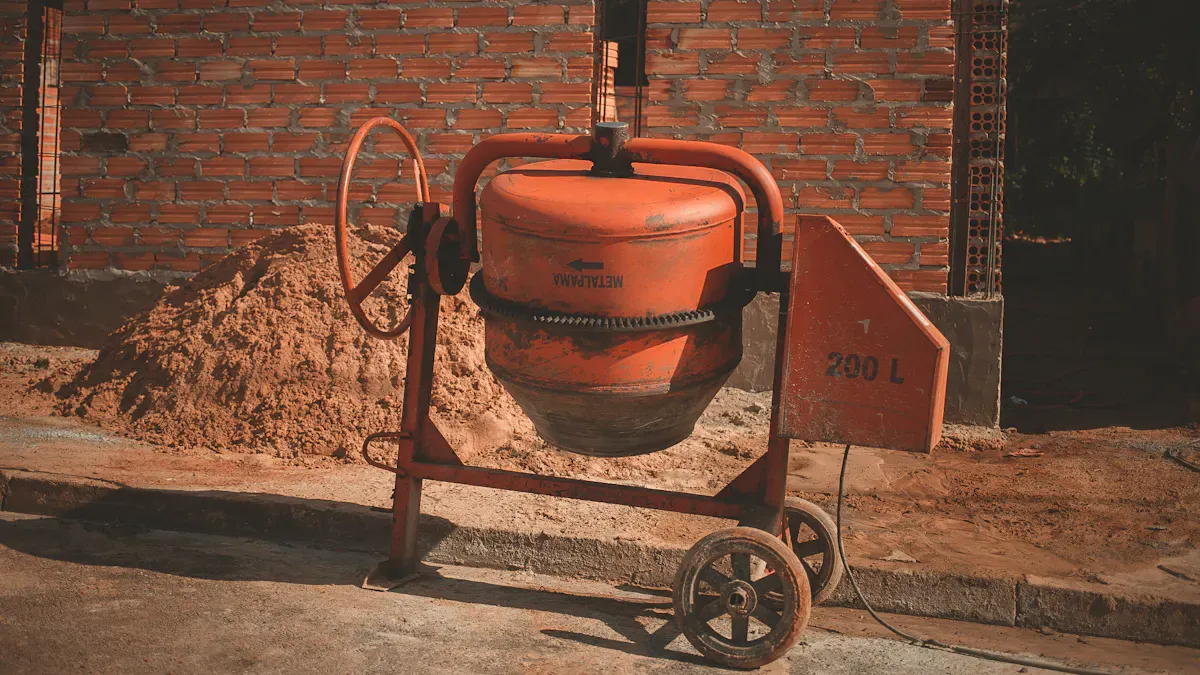
Portable Concrete Mixer Benefits
You know how tough it gets when you have to move heavy equipment around a busy job site. A portable concrete mixer changes everything. You can mix concrete right where you need it. That means less hauling and less waiting. Here’s what you get when you use a portable concrete mixer:
- You save money on labor and materials. Mixing on-site means you don’t have to pay extra for moving concrete or hiring more workers.
- You get fresh concrete every time. You can mix only what you need, so your concrete stays strong and easy to work with.
- Your mixes stay consistent. That helps your project meet quality standards and keeps your structure safe.
- You move your mixer quickly. If you need to pour concrete in different spots, you just roll the mixer over. No more wasting time on transport.
cnbuildmachinery’s hand-pushed-mixer and tilting concrete mixer make your job easier. You can push them through narrow spaces or tilt the drum for fast unloading. These mixers fit right into tight spots and help you finish your work faster.
Tip: If your project has scattered work points or tricky terrain, a portable concrete mixer gives you the flexibility you need.
Storage Solutions
You want your mixer to last, so storing it right matters. When you finish mixing, clean the drum and wipe down the frame. Find a dry spot to keep your mixer safe from rain and dust. If you use a hand-pushed-mixer, you can remove the wheels and tuck it away in a small corner. Tilting mixers have compact designs, so you can store them in a shed or garage.
Some mixers come with removable parts. That makes storage even easier. You can take off the wheels or fold the handles. If you work in a city or have limited space, these features help you keep your equipment safe and ready for the next job.
Note: Always store your portable concrete mixer in a dry place. That keeps it working well and saves you money on repairs.
Mobility Features
You need a mixer that moves with you. Mobility features make your portable concrete mixer easy to handle. Let’s look at what construction pros value most:
| Feature | Description |
|---|---|
| Chassis and Wheel Design | Lets you move the mixer without special tools. |
| Pneumatic Tires | Roll over rough ground and get to hard-to-reach spots. |
| Weight Distribution | Balanced design helps you push or pull the mixer easily. |
| Trailer Hitches | Some mixers can be towed by a vehicle for quick transport. |
| Removable Wheels | Take off the wheels for compact storage. |
| Weight Considerations | A 100-liter mixer weighs about 55 kg, so you can move it by hand. |
| Productivity Increase | Mobile mixers cut down waiting time and boost your project speed. |
cnbuildmachinery’s hand-pushed-mixer and tilting concrete mixer have these smart features. You can push them across uneven ground, tow them behind a truck, or store them in tight spaces. You get more done with less effort.
If you want a mixer that keeps up with your busy site, pick a portable concrete mixer with strong mobility features. You’ll work faster and smarter every day.
Features, Safety & Value
Key Features to Consider
When you want to choose the right mixer, you need to look at the most important mixer features. These features help you get the job done faster and safer. Here’s a table to help you compare what matters most:
| Feature | Description |
|---|---|
| Drum Capacity | Pick the size that matches your project. Small for home jobs, large for big sites. |
| Motor Power | More power helps you finish large projects on time. |
| Portability | Portable mixers are easy to move for small jobs. Stationary mixers work better for big, ongoing projects. |
| Mixing Mechanism | Tilting drums make mixing and pouring concrete easier. |
| Site Constraints | Think about how easy it is to get the mixer to your site. |
| Additional Features | Look for safety switches, loading hoppers, and timers for more convenience and safety. |
You want to match these mixer features to your project. If you have a small job, a portable mixer with a smaller drum works well. For bigger projects, you need more power and capacity. Always check if the mixer fits your site and has the right features for your work.
Safety Mechanisms
Safety features keep you and your team safe on the job. Modern cement mixers come with smart safety mechanisms. Here’s what you should look for:
- Automation in mixing helps prevent injuries from lifting and bending.
- Safety barriers and guards cover moving parts to stop accidents.
- Emergency stop buttons let you shut down the mixer fast if something goes wrong.
- Good mixers keep cement dust inside, so you breathe cleaner air.
By using these safety features, you lower the risk of accidents and protect your health. You want a mixer that makes safety easy. When you choose the right mixer, always check for these safety features.
Tip: Never skip safety checks. A safe mixer keeps your project on track and your team healthy.
Cost vs Value
You might wonder how mixer cost connects to value. The price of a mixer changes with the economy, import duties, and demand. When the market is busy, mixer cost can go up. If the market slows down, you might find a lower price. But cost is not just about what you pay at first.
A good mixer gives you value for years. If you choose the right mixer, you get strong performance and less downtime. That means you save money on repairs and replacements. You also finish jobs faster, which helps your business grow.
Think about your budget and how much you want to invest. Sometimes, paying a little more for better mixer features and safety features saves you money in the long run. A reliable mixer is a smart investment. It helps you get more work done and keeps your team safe.
Note: Always balance mixer cost with long-term value. The right investment gives you better results and peace of mind.
When you look at all the features, safety, and cost, you can choose the right mixer for your project. Take your time, check what matters most, and pick a mixer that fits your needs and budget.
User Reviews & Recommendations
When you want to choose the right mixer, you should always check what other people say. Real-world feedback helps you avoid mistakes and find the best fit for your project. Mixer reviews give you honest opinions from people who have used the equipment. You can learn what works well and what to watch out for.
Start by reading reviews on trusted websites. Look for comments about how easy the mixer is to use, how well it mixes concrete, and if it lasts a long time. Some users talk about how simple it is to clean the drum or move the mixer around the job site. Others share if the mixer saves them time or if it breaks down often. These details help you see if a mixer matches your needs.
You can also check out cnbuildmachinery’s customer stories. For example, a construction company in Manila used a mix of drum mixers and mortar mixers from cnbuildmachinery. They finished their project two weeks early and saved 35% on labor costs. The project manager said the mixers worked well in narrow streets and tough weather. This kind of feedback shows you how the mixers perform in real jobs.
Here’s a simple table to help you compare what to look for in reviews:
| What to Look For | Why It Matters |
|---|---|
| Ease of Use | Saves you time and effort |
| Mixing Quality | Gives you strong, even concrete |
| Durability | Lasts through many projects |
| Portability | Easy to move on busy job sites |
| Customer Support | Helps if you have questions or issues |
Tip: Always read several mixer reviews before you decide. One review might not tell the whole story, but many reviews can show you a clear picture.
Ask other builders or friends about their experience. Sometimes, word of mouth is the best way to get honest advice. If you see the same mixer recommended again and again, that’s a good sign.
cnbuildmachinery gets high marks for strong build quality and helpful support. Many users say their mixers keep working, even in tough conditions. When you read reviews, look for stories like these. They help you choose the right mixer for your project.
Remember, reviews are your shortcut to smart buying. Take a few minutes to read mixer reviews and customer feedback. You’ll feel more confident and make a better choice.
You now know the main steps for picking the right cement mixer mixer. Make sure the drum capacity, motor power, and how easy it is to move match your project. Use this checklist before you buy:
| Step | Why It Matters |
|---|---|
| Check drum capacity | Makes mixing faster |
| Review motor power | Mixes strong materials |
| Consider durability | Means fewer repairs |
| Compare models | Helps you find the best one |
cnbuildmachinery has mixers you can trust and can help you anywhere. After that, look at different models, read what other users say, or ask sellers about warranties and help after you buy.
FAQ
What size cement mixer should I get for home projects?
You should pick a small mixer, usually 2 to 4 cubic feet. This size works well for repairs, sidewalks, and small patios. If you want more options, check out cnbuildmachinery’s drum mixers.
Can I use one mixer for both concrete and mortar?
Yes, you can. Just clean the drum well between mixes. For best results, use a horizontal or vertical mixer from cnbuildmachinery. These models handle both materials easily.
How do I clean my cement mixer after use?
Fill the drum with water and a little gravel. Let it spin for a few minutes. Dump the mix and rinse. Wipe down the outside. This keeps your mixer in good shape.
What power source is best for my job site?
If you have easy access to electricity, use an electric mixer. For remote sites, pick a diesel-powered portable concrete mixer. cnbuildmachinery offers both options.
How do I move a mixer around a tight job site?
Choose a hand-pushed or portable concrete mixer. These models have wheels and a compact frame. You can roll them through narrow spaces without help.
What safety features should I look for?
Look for emergency stop buttons, safety guards, and dust covers. These features protect you and your team. Always read the manual before you start.
Where can I find real user reviews?
You can read customer stories on cnbuildmachinery’s website. You’ll see how other builders use their mixers and what results they get.