
A concrete cement mixer blends cement, water, sand, and gravel into a uniform batch. You need to know exactly what is cement mixer performance on your job site before choosing equipment. Using the right concrete mixer boosts daily productivity, reduces physical effort, and guarantees high-quality results. Operating a reliable concrete mixer prevents unexpected delays and avoids wasting expensive raw materials. This buying guide helps commercial and residential builders choose the best machine. You can select the right mixer for your job size by comparing power and drum capacity. Follow this quick resource to improve equipment selection on every site. You are building smarter with the right mixer.
Key Takeaways
- Right concrete mixers boost site productivity and prevent costly material waste.
- Effective concrete output equals sixty to seventy percent of gross drum capacity.
- Electric motors power indoor projects while gas engines run remote sites.
- Immediate water rinsing prevents concrete buildup inside the drum after pours.
What Is Cement Mixer: Core Basics
Operational Mechanism and Components
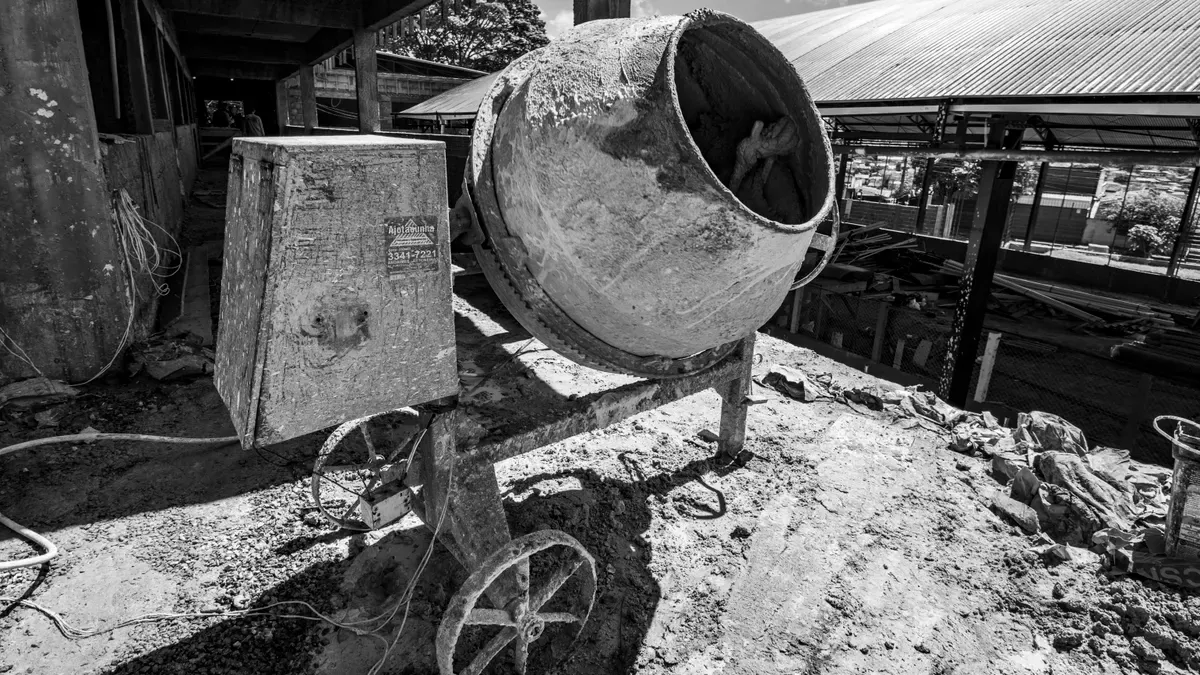
You might ask what is cement mixer design when evaluating job site machinery. A concrete cement mixer relies on a heavy-duty drum, internal blades, and a power unit. Electric motors or gas engines drive the drum around a central axis. Internal flight blades lift raw materials during drum rotation. Gravity then pulls the aggregate, sand, and liquid back down. This continuous tumbling motion creates a uniform fluid batch for your foundation work.
You load raw materials directly into the wide opening of the rotating drum. The machine maintains a precise tilt angle to keep the batch inside during rotation. Adjusting the drum angle allows you to pour fresh concrete into wheelbarrows quickly. Reliable drive gears transfer motor power to the drum smoothly. Understanding what is cement mixer operation helps you load materials efficiently every day.
Cement Mixers vs. Concrete and Mortar Mixers
You must distinguish between a standard concrete mixer and specialized units for plaster or masonry. A concrete cement mixer handles large aggregate like crushed stone and gravel. Selecting the right concrete mixer improves your overall site efficiency. Conversely, a mortar mixer blends fine sand, lime, and water for laying bricks. You cannot mix coarse aggregates inside a mortar mixer without jamming the internal paddles. Learning about types of mortar mixers prevents severe mechanical damage on your job site.
The table below highlights key mechanical differences between these machine categories:
| Feature / Aspect | Drum Rotation Mechanism (Cement Mixer) | Internal Paddle Mechanism (Mortar Mixer) |
|---|---|---|
| Container Structure | Rotating or tilting drum | Fixed drum or barrel |
| Agitation Component | Tumbling within the moving drum | Internal rotating paddles or spiral blades |
| Mixing Action | Relies on drum rotation and gravity | Paddles shear material and scrape walls |
| Operational Speed | Higher rotational speed for coarse aggregate | Lower rotational speed for fine blending |
You select a concrete mixer when working with aggregate-heavy batches. A portable mortar mixer works best when mixing cement and sand pastes without large stones. A durable concrete cement mixer processes harsh ingredients easily. Knowing what is cement mixer functionality ensures high job site productivity.
Essential Types of Concrete Mixers
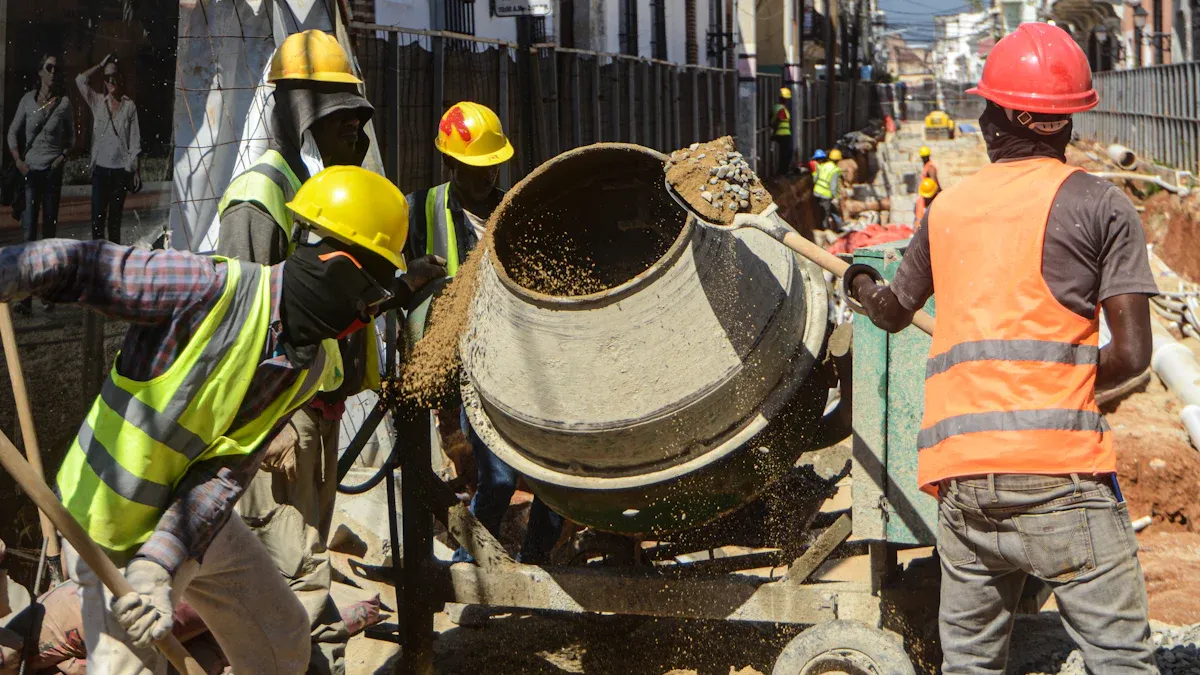
You evaluate various concrete mixer types to handle different job site requirements. Commercial contractors choose between traditional drum units, forced-action pans, or continuous mixing plants. Understanding these types of concrete mixers improves daily job site productivity. Comparing different types of concrete mixers helps builders choose the best machine for their projects. A standard concrete mixer delivers consistent output across basic construction jobs. Every flexible concrete mixer supports fast pouring schedules on busy worksites.
Drum and Tilting Mixers
A drum concrete mixer rotates a heavy barrel to tumble ingredients continuously. Gravity pulls materials down while internal flight blades lift the batch. You tilt the drum forward to discharge finished batch loads into wheelbarrows quickly. Standard drum units process batches at moderate speeds. You load raw ingredients, run the rotation cycle, and pour out the liquid mass. A reliable concrete mixer handles standard aggregate blends easily.
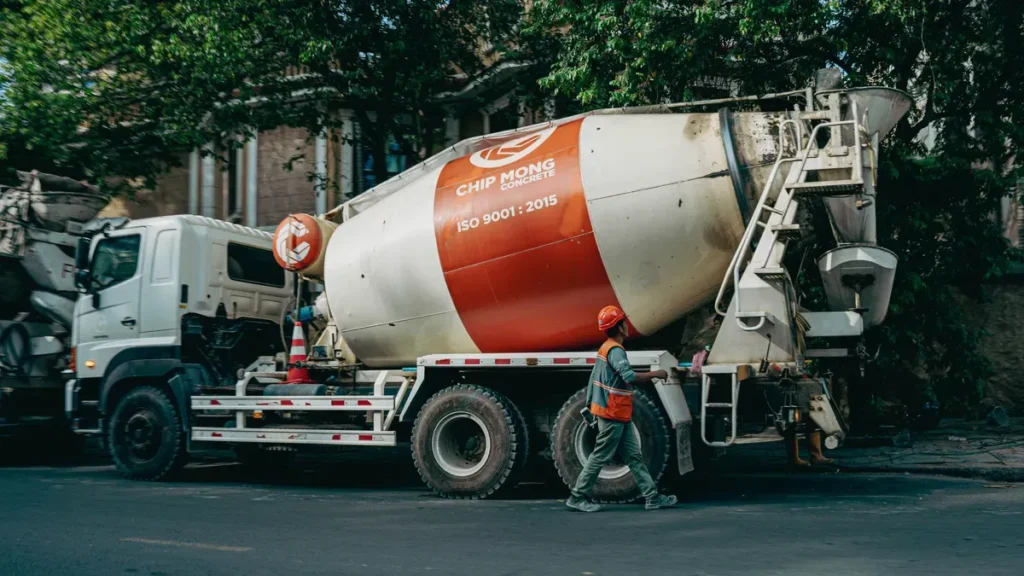
Large site pours often require a mobile mixer truck. A heavy mixer truck keeps the batch agitated during long transit times across cities. You rely on a mixer truck to haul massive volume directly from central batch plants. Continuous rotation inside the mixer truck drum prevents early setting on long road routes.
Paddle and Pan Mixers
Stiff mixes demand specialized forced-action equipment rather than gravity drums. You choose paddle or pan designs for high-viscosity concrete formulations. A traditional mortar mixer uses internal rotating paddles inside a stationary drum to shear materials thoroughly. Exploring different types of mortar mixers helps you select proper machinery for masonry work. A paddle mortar mixer handles heavy sand pastes without leaving dry pockets. However, avoid loading large stones into a paddle mortar mixer. A heavy-duty mortar mixer prepares consistent plaster batches for clean bricklaying.
The table below outlines ideal applications and advantages for paddle and pan designs:
| Mixer Type | Ideal Applications | Operational Advantages |
|---|---|---|
| Paddle Mixers | Backfill projects, light grouting operations, and aggregate-bearing fill applications | Employs rotating blades in a fixed trough to effectively fold and blend stiffer, heavy-body materials where moderate output is needed |
| Pan Mixers | Precast concrete manufacturing, low-slump formulations, dry or semi-dry mixes, and mixes with large aggregates | Employs horizontal agitation to deliver uniform moisture dispersion and thorough blending of stiff mixes |
Continuous Industrial Mixers
Continuous mixing systems produce steady streams of fresh material without stopping for separate batches. You route aggregate, water, and cement powder into a long mixing chamber simultaneously. Internal augers push ingredients forward while blending them instantly. These industrial units offer massive hourly mixing capacity for heavy infrastructure. Tunneling projects and mining operations utilize continuous units for ongoing stabilization work. Continuous systems eliminate batch loading delays completely.
Portable and Handheld Mixers
Small job sites require flexibility, compact dimensions, and quick movement. You evaluate equipment size and portability when working on remote residential repairs or fence post footings. Small electric units offer adequate drum capacity for light footings and sidewalks. A compact concrete cement mixer fills smaller forms quickly. A handheld concrete cement mixer operates like an industrial drill with attachable paddle blades. Insert the paddle directly into buckets to prepare small batches of repair plaster or thin-set mortar.
Learning about all types of concrete cement mixers allows you to match machinery with site demands. Choosing correct types of concrete cement mixers prevents job site delays and protects your machinery investment. Every durable concrete cement mixer keeps building projects moving forward on schedule.
Power Source Options for Construction Sites
Electric Concrete Mixers
You choose electric models for indoor projects or residential sites with active power hookups. Quiet electric motors produce zero toxic emissions inside enclosed structures. You plug these units directly into job site outlets or portable power generators without hassle.
Electric concrete mixer options vary in power based on drum scale and job requirements. The table below outlines typical electrical specifications for these job site machines:
| Mixer Scale | Required Voltage | Power Rating (HP) |
|---|---|---|
| Compact / Small Mixers | 110V | 1/3 HP to 1.5 HP |
| Heavy-Duty / Large Mixers | 220V | 1 HP to 5 HP |
Standard 110V units draw steady current from basic wall outlets without tripping circuit breakers. High-torque 220V machines turn dense concrete batches continuously without overheating or slowing down during intense operations.
Gas and Diesel Units
Gas and diesel engines provide complete operational freedom on remote construction sites. You do not need electrical grid connections or long extension cords to run these powerful motors. Gas engines start reliably in cold weather conditions to keep your pouring schedule moving forward smoothly.
Heavy-duty diesel motors supply maximum torque to rotate thick aggregate payloads continuously. These fuel-powered units process harsh raw ingredients without stalling under heavy loads. A standalone concrete mixer powered by internal combustion gives you flexible equipment placement on unpowered terrain.
Towable Gas Mixers
Towable gas models combine fast highway mobility with heavy-duty engine performance on active jobs. You attach these machines to work trucks using standard ball hitches for simple transport across cities. Durable pneumatic road tires protect the frame from severe vibration during fast highway travel between locations.
This mobile concrete mixer serves highway crews moving between multiple work zones every day. Heavy steel tow bars withstand rough off-road terrain without bending or cracking. A towable gas concrete mixer delivers fast site setup and reliable batching performance wherever your contract requires concrete placement.
How to Choose the Right Concrete Mixer
Critical Selection Factors for Builders
Evaluate your overall job scope carefully before buying new equipment for your crew. Your main project size and type determines machine requirements. Daily commercial contractors need heavy-duty units for continuous pours. Occasional builders complete smaller jobs with light equipment. You evaluate key factors when choosing a concrete mixer to avoid job site bottlenecks.
Matching equipment scale to daily output protects your tool investment. You select machines based on usage frequency and job demands. A complete buying guide helps you pick ideal equipment without overspending. Structured selection criteria simplify comparing equipment features on paper. Careful selection ensures long-term operational success for contractors.
Drum Capacity vs. Output Mixing Volume
You must understand drum capacity before purchasing equipment. Gross drum capacity measures total internal volume. However, actual mixing output volume stays significantly lower than drum capacity. In standard construction operations, effective concrete output typically stays within 60% to 70% of total drum volume to ensure adequate space for material movement. Loading too much raw material causes poor quality batches and spills.
Understanding volume reduction prevents site delays. Net concrete yield generally falls between 55% and 65% of gross drum capacity to maintain required mixing headspace. For example, a mixer with a rated gross volume of 200 liters yields approximately 125 to 150 liters of output per batch, representing roughly 60% to 75% of gross capacity. Combine drum tilt loss (33%) and headspace for movement (20%) to calculate volume loss breakdown (~65%). Calculating true output helps you choose a concrete mixer with sufficient mixing performance.
Site Accessibility and Transport Needs
Evaluate job site conditions when choosing the right cement mixer for your team. Indoor residential work demands compact machinery with simple mobility. Small pathways require tight turning radii and slim frames. Consider equipment size and portability when moving across narrow doorways.
Power availability also drives your equipment selection process. Remote job sites need standalone gas engines for continuous operation. Powered urban sites run clean electric models easily. Evaluating site access ensures choosing the right cement mixer for every active workplace. You position your mobile concrete cement mixer close to foundation forms for quick pouring.
Total Cost of Ownership and Budget
Equipment prices extend far beyond initial purchase tags. You evaluate long-term maintenance, fuel consumption, and replacement parts to control overall equipment cost. Durable machinery reduces expensive downtime during major pours. Investing in dependable options lowers total cost over years of service.
The list below outlines essential buying tips for managing machine budget:
- Calculate hourly operating expenses alongside initial purchase cost.
- Select durable frames to lower long-term repair costs.
- Verify local spare parts availability to prevent extended downtime.
CNWH machinery offers robust design for commercial and residential contractors. High-strength steel construction delivers exceptional field durability on demanding job sites. Every durable concrete cement mixer handles heavy aggregate loads reliably. Proper equipment selection matching job needs provides a cost-effective solution for long-term job site productivity. Selecting the right concrete mixer from CNWH maximizes your machinery ROI. You can choose a concrete mixer from CNWH with confidence.
Equipment Maintenance and Safety Best Practices
Mixing Ratios and Loading Order
You maximize job site efficiency by following standard loading methods. Pouring raw ingredients into your concrete mixer without order creates large clumps. These dry cement pockets reduce strength. You protect machine performance by following best practices for using your concrete mixer on every project.
- Initial Charge: Load roughly 50% of the gravel followed by 50% of the estimated water into the spinning drum. This scours the inner metal walls.
- Cement Addition: Pour in the full measure of cement powder. The wet gravel base breaks up dry cement to prevent lump formation.
- Fine Aggregate Addition: Introduce all measured sand to help disperse the cement paste into a smooth batch.
- Remaining Coarse Aggregate: Add the final 50% of the gravel to drive the cement paste evenly throughout the batch.
- Final Water Adjustment: Gradually pour in the remaining water until reaching the desired consistency.
Cleaning Techniques and Buildup Prevention
Hardened concrete inside the drum reduces effective volume. Wash out wet residue with clean water immediately after every pour. You pour a bucket of coarse gravel and clean water into the drum for tough buildup. Rotate the drum for several minutes to scour concrete remnants from internal blades.
Following official guidelines keeps site workers safe during routine cleaning.
| OSHA Regulation Standard | Specific Target / Operation | Mandated Safety Requirement |
|---|---|---|
| 29 CFR §1926.702(b) | Mixers with loading skips ≥ 1 cu. yd. (.8 m³) | Mechanical clearing device and side guardrails |
| 29 CFR §1926.702(j) | Equipment maintenance and repair | Isolation of hazardous energy via lockout/tagout with ‘Do Not Start’ tags |
Units with smaller loading skips follow 29 CFR §§1926.300(b)(3) and 1926.300(b)(4) for point of operation guarding. You protect operators from rotating blades and dangerous zones through adequate durability and maintenance routines.
Routine Motor and Gear Inspection
Proper gear care prevents operational failures during critical pours. Check engine oil levels and grease drive gears daily before starting operations. Continuous focus on durability and maintenance extends overall machine lifespan on active job sites.
Choosing the right concrete mixer requires clear planning. You evaluate specific job criteria before finalizing your equipment selection.
| Category | Key Criteria |
|---|---|
| Specifications & Power | Verify practical capacity, voltage compatibility, power ratings, and dust protection. |
| Drum & Blades | Check rotation, paddle fixations, weld quality, and discharge angles. |
| Transmission & Gears | Inspect gear teeth consistency, belt tension, and running noise. |
| Frame & Mobility | Evaluate frame straightness, machine stability, tyre dimensions, and vibration. |
| Discharge & Safety | Test tilting mechanisms, locking firmness, and safety labels. |
| Maintenance | Confirm grease access and spare parts availability. |
Investing in a high-quality concrete mixer from CNWH maximizes your overall job site productivity and long-term ROI.
FAQ
What Is the Main Purpose of a Cement Mixer?
You use a machinery unit to answer what is cement mixer functionality on active job sites. This machine combines gravel, sand, water, and binder into a uniform batch. Operating a concrete cement mixer speeds up structural foundations and slab pours efficiently.
Can You Mix Mortar in a Standard Concrete Mixer?
You should avoid putting coarse stone inside a mortar mixer. A mortar mixer uses internal paddles to scrape fine sand and lime. Conversely, a concrete cement mixer tumbles heavy rocks in a rotating drum. Using the correct mortar mixer prevents sudden paddle jamming.
How Does a Mixer Truck Differ from Site Equipment?
A commercial mixer truck transports large wet batches across public roads. Internal drum fins keep the concrete agitating during transit. You rely on a mixer truck to supply major foundation projects directly. Every heavy mixer truck prevents early setting before liquid discharge, unlike a standard mixer truck.
How Do You Determine Actual Output Capacity?
You calculate actual batch yield below total drum volume because mixing requires headspace. Effective concrete output stays within 60% to 70% of gross drum capacity. For instance, a 200-liter drum produces about 125 to 150 liters of fresh liquid per cycle.