
Are you ready to improve your building work with the right mixer cement? The most important thing is how well the mixer matches your project. If you pick a good mixer, you will mix concrete faster. You will also spend less money on cement. Your work will look better at every building site. CNBuildMachinery is a trusted company. Data from the industry shows a good mixer can save 40% of mixing time. It can also help you work 25% faster. The table below shows how your choice changes your work:
| Impact | Description |
|---|---|
| Project Speed | Bigger mixers can make mixing 40% faster. |
| Cost | Good mixers help you spend less on workers and running costs. |
| Quality | Good mixers make better concrete and help you work 25% faster. |
With the right mixer cement, every building job gets easier, quicker, and cheaper.
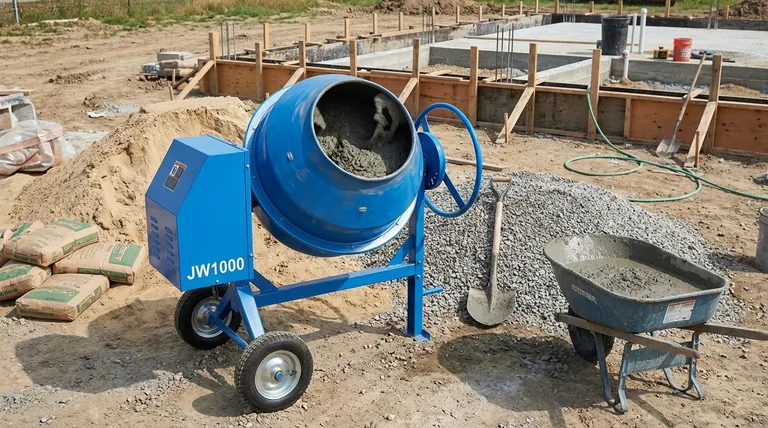
Key Takeaways
- Pick a mixer that fits your project size. This will help you save time and get better results. Choose the right power source for your mixer. This makes your work faster and matches your work site. Make sure your mixer is easy to move. This will make work easier and help you finish faster. Take care of your mixer often. This keeps it working well and helps it last longer. Do not make mistakes like picking the wrong size or forgetting to do maintenance. This will help your project go smoothly.
Mixer Cement Selection Criteria
Picking the right mixer cement is very important. It can change how your project turns out. You should think about a few key things before you buy. These things affect your speed, cost, and concrete quality.
Capacity
Capacity means how much concrete you can mix at once. If your mixer fits your project size, you save time and get better results. For example, the hand-pushed-mixer from cnbuildmachinery comes in sizes from 280L to 600L. The Tilting Concrete Mixer can mix even more, up to 700L. These options help you pick what works best for your job.
Here is a table to help you choose the right capacity:
| Project Type | Recommended Volume Range | Primary Applications | Key Considerations |
|---|---|---|---|
| Small Residential | 1-3 cubic feet | Patios, small foundations | Portability, ease of use |
| Medium Commercial | 4-9 cubic feet | Sidewalks, moderate structures | Production rate, quality |
| Large Industrial | 12+ cubic feet | Infrastructure, mining | Continuous operation, reliability |
A high capacity mixer lets you make more concrete at once. You finish your work faster. Zeiser Precast got 50% more concrete per batch after using a bigger mixer. Bigger mixers also keep your concrete the same every time. This means your results are strong and reliable.
Mixing Speed
Mixing speed decides how fast you can make concrete. It also affects how smooth your mix is. The right speed stops weak spots and keeps your concrete strong. Both the hand-pushed-mixer and Tilting Concrete Mixer use drum-style mixing. This gives steady and reliable results.
| Aspect | Impact on Consistency and Quality |
|---|---|
| Mixing Speed | Affects uniformity and prevents weak spots in the mixture. |
| Mixer Type | Different mixers provide varying levels of control over mixing. |
| Mixing Duration | Too little mixing leads to uneven concrete; too much can damage it. |
| Order of Ingredients | Correct order improves mix quality. |
| Structural Strength | Consistent mixing makes concrete stronger. |
If your mixer has the right speed, you get even concrete and a better output rate. Your project moves faster. Your concrete lasts longer.
Power Source
The power source changes where and how you use your mixer. cnbuildmachinery has electric, diesel, and gasoline choices for both mixer types. Each one has its own good points.
| Power Source | Advantages |
|---|---|
| Electric cement mixers | Great for small jobs with electricity; easy to use and low maintenance. |
| Gasoline cement mixers | More powerful; good for sites without electricity; handles heavy work. |
| Diesel cement mixers | Most powerful; best for big projects without electricity. |
- Electric mixers cost less if you have steady power.
- Diesel mixers give you more freedom but cost more to run.
- Electric mixers are good in cities with strict rules.
- Diesel mixers work well in remote places.
Pick the power source that fits your site and budget. This choice helps you work better and finish on time.
Portability
Portability matters if you need to move your mixer around. The hand-pushed-mixer is easy to move. It has big wheels, a strong handle, and a light frame. The Tilting Concrete Mixer is also easy to carry.
Key features that make a portable concrete mixer easy to use include:
- Big wheels for rough ground.
- Comfortable handles for pushing or pulling.
- Light build for quick setup.
- Removable wheels for storage.
- Balanced weight for safe handling.
A portable mixer saves time and work. You can move it close to where you pour. This cuts down on carrying concrete by hand. One person can mix and pour many batches in an hour. Your team works faster.
Durability
Durability means your mixer can handle tough jobs and last long. Both mixer types use strong steel and coatings that stop rust. This makes them good for outdoor and heavy work.
Materials and design features that boost durability:
- Air entraining agents stop freeze-thaw damage.
- Shrinkage reducers and curing agents prevent cracks.
- Corrosion inhibitors fight chemical damage.
- Waterproofers protect against rain and sun.
- Plasticizers make concrete less porous.
A durable mixer costs less to fix and replace. Even if it costs more at first, you save money later. Your mixer lasts longer and keeps working well.
Maintenance
Good maintenance keeps your mixer working smoothly. Both mixer types are easy to clean and fix. Always clean the drum after each use. Check the blades for wear. Keep moving parts oiled.
Best maintenance practices:
- Clean the mixer after every job so concrete does not harden inside.
- Run water and cleaner through the drum for deep cleaning.
- Check blades and moving parts for wear.
- Oil all moving parts to stop breakdowns.
| Benefit of Regular Maintenance | Description |
|---|---|
| Extends Lifespan | Prevents early wear, so your mixer lasts longer. |
| Ensures Consistent Performance | Keeps your mixer working at its best. |
| Reduces Breakdown Risk | Fixes small problems before they get worse. |
Taking care of your mixer gives you better results. It also makes your mixer more reliable. If you skip maintenance, your mixer may break and you lose time.
Tip: Make a simple checklist for daily and weekly maintenance. This habit helps you keep your mixer cement ready for every job.
Mixing Efficiency Factors
When you choose a mixer cement for your construction project, you want to get the most out of every batch. Mixing efficiency is the key to saving time, getting strong concrete, and making your work easier. Let’s look at the main factors that help you work faster and better.
Time Savings
You save a lot of time when you use the right equipment for mixing. A portable cement mixer or a concrete mixer truck can mix large amounts of cement quickly. You do not have to wait for each batch to finish. This means you can pour more concrete in less time. On a busy construction site, every minute counts. If you use a hand-pushed-mixer or a tilting drum mixer, you can move the mixer close to where you need it. This cuts down on transporting concrete by hand. You finish your work faster and keep your team moving.
Tip: Always plan your mixing and pouring schedule. This helps you avoid delays and keeps your output steady.
Consistency
Consistency in your mix is very important. If you keep the water-to-mix ratio the same every time, your concrete will be strong and last longer. When you use a portable concrete mixer or a cement mixer truck, you can control the mix better than with hand mixing. If you change the amount of water or cement, you might get weak spots in your concrete. This can lead to cracks or surface problems later.
- Keeping the same water level in each batch stops weak surfaces from forming.
- If you use too much water in one batch and less in another, your concrete will not be as strong.
- A steady mixing process gives you the best results for every part of your project.
Labor Reduction
Mixing by hand takes a lot of work. When you use a mixer cement, you need fewer people to do the job. A concrete mixer truck or a portable cement mixer does most of the hard work for you. You only need to load the materials and start the machine. This means you can use your team for other important tasks on the construction site. You also reduce the risk of injury from lifting heavy bags of cement or mixing by hand.
Here are some ways a mixer helps you save on labor:
- One person can operate a hand-pushed-mixer.
- You do not need to carry heavy buckets of concrete across the site.
- Your team can focus on pouring and finishing the concrete.
Reliability
You want your equipment to work every time you need it. Reliable mixers give you the same results for every batch. This means your concrete will be strong and your project will stay on track. Good design, easy maintenance, and strong materials all help make a mixer reliable. When you use a mixer from a trusted brand, you know it will last through many jobs.
| Factor | Description |
|---|---|
| Equipment Design | A well-designed mixer blends materials evenly and quickly. |
| Material Handling | Adding ingredients in the right order helps the mix come out perfect. |
| Automation | Machines with automatic controls reduce mistakes and keep batches the same. |
| System Integration | When all parts of the process work together, you get the best efficiency. |
| Bottlenecks | If one step is slow, it can hold up the whole job. |
| Continuous Improvement | Tracking your results helps you make the process better over time. |
| Scalability | Good mixers can handle bigger jobs as your needs grow. |
Reliable mixing equipment helps you keep your operational efficiency high. You avoid delays, reduce waste, and get the best output from your team and materials.
Comparing Mixer Types for Construction

Picking the right mixer cement type can change your building work. Every mixer has its own good points. You need to find out which one is best for your project.
Drum Mixers
Drum mixers are used a lot on building sites. They have a big drum that spins to mix concrete. These mixers make a lot of concrete and are easy to use. The hand-pushed-mixer from cnbuildmachinery is a good example. It is light, simple to move, and great for small jobs. You can use it in small spaces or on rough ground. The Tilting Concrete Mixer also has a drum. It mixes well and lets you unload fast.
| Mixer Type | Key Features | Advantages | Limitations |
|---|---|---|---|
| Drum Mixer | Large drum, simple design | High volume, cost-effective | Less precise mixing |
| Pan Mixer | Rotating blades, compact | Fast, consistent quality | Smaller capacity, higher cost |
| Continuous Mixer | Steady feed, ongoing mix | Non-stop output, good for big jobs | Needs steady supply |
Pan Mixers
Pan mixers have spinning blades inside a round pan. They mix concrete fast and make it even. These mixers are good for jobs that need top-quality cement. They cost more and hold less than drum mixers. Builders use them for special concrete or small batches.
Continuous Mixers
Continuous mixers keep working as long as you add cement and water. They are best for big building jobs. You get a steady stream of concrete. These mixers need a nonstop supply of materials. People use them for road work and big pours.
Concrete Mixer Truck Comparison
A concrete mixer truck, or cement mixer truck, mixes and carries concrete to your site. It is best for big jobs. You get ready-mix concrete quickly. More people want these trucks in India and Asia-Pacific. Builders like machines that are fast, green, and easy to use. In Southeast Asia, more people want portable cement mixer and portable concrete mixer models. These mixers help you work faster and need fewer workers.
Note: The hand-pushed-mixer and Tilting Concrete Mixer from cnbuildmachinery are easy to clean, strong, and simple to use. They help you work better and save on labor.
Construction Needs Assessment
Project Size
You must pick a mixer cement that fits your project size. Small jobs, like fixing things at home, need less concrete. These jobs use a small portable cement mixer. Big building projects need larger machines, like a concrete mixer truck. These mixers help you keep up with the daily need for concrete. The right size mixer helps you finish faster and work better.
| Project Size Category | Recommended Drum Capacity |
|---|---|
| Small DIY Projects | 70L to 125L |
| Medium-Scale Projects | 125L to 250L |
| Large-Scale Projects | 250L to 500L |
| Professional and Industrial | 500L and above |
Think about how much concrete you need each day. If you pour concrete a lot, choose a mixer that can mix often. Bigger projects need stronger mixers to handle more concrete.
Budget
Budget is very important when you choose a mixer cement. You want a mixer that costs what you can pay but still does the job. Small mixers are cheaper and good for easy jobs. Big mixers, like a concrete mixer truck, cost more at first. They save money later because they need fewer workers and mix faster. Try to balance the first price with how much you save over time.
Tip: Check if renting or buying a portable concrete mixer is better for short jobs.
Supplier Reputation (cnbuildmachinery)
Pick a supplier with a good name. CNBuildMachinery is known for strong and reliable equipment. Find suppliers who offer the right size, power source, and easy-to-move mixers. Good suppliers have models for your budget and help with maintenance.
| Criteria | Description |
|---|---|
| Project Requirements | Pick the right size and capacity for your job. |
| Power Source Options | Choose electric or gas for your work site. |
| Portability | Make sure you can move the mixer easily. |
| Budget | Get a model that fits your budget. |
| Long-term Maintenance | Look for easy care and good support. |
A trusted supplier helps you get the best mixer cement for your work.
Warranty & Support
Warranty and support protect your money. You want a plan that helps you fix problems fast and costs less to repair. A good warranty covers labor and gives quick help. Good support means you get parts fast and keep your mixer working. This saves money and keeps your project on track.
- Warranty and support help you avoid surprise costs.
- Fast help makes your mixer more reliable.
- Getting parts quickly stops work delays.
Always check the warranty and support before you buy a cement mixer. Good support keeps your mixer ready for every job.
Common Mixer Cement Mistakes
Mistakes with mixer cement can slow down your construction and cost you money. If you know the most common errors, you can avoid them and keep your project on track.
Overlooking Capacity
Many people choose a mixer without thinking about how much concrete they need. If you pick a mixer that is too small, you will spend more time mixing and less time building. If you overload your mixer, you risk damaging the machine and getting poor results. Here is a table that shows some common mistakes:
| Mistake | Description |
|---|---|
| Overloading the Mixer | Exceeding the recommended capacity can lead to inefficient mixing and damage. |
| Choosing the Wrong Type | Using the wrong mixer for your project can cause poor mixing and delays. |
When you do not match the mixer to your construction needs, you may face delays. Equipment shortages can extend your project by weeks. Daily rental costs for idle machines can add thousands to your budget. Overtime pay and higher material costs can also increase your expenses. Always check the capacity before you buy or rent a mixer.
Ignoring Maintenance
You must take care of your cement mixer to keep it working well. If you skip regular maintenance, you will see more wear and tear. This can lower the quality of your concrete and even stop your whole production line. Here are some problems that come from ignoring maintenance:
- Mixer parts wear out faster.
- The quality of your concrete drops.
- Your project may stop if the mixer breaks.
- You lose time and money fixing problems.
Regular maintenance increases the life of your equipment. It also keeps your workers safe and improves efficiency on the construction site.
Underestimating Portability
Portability matters more than you might think. If your mixer is hard to move, you waste time carrying concrete by hand. This slows down your construction and tires out your team. A portable mixer, like a hand-pushed model or a concrete mixer truck, lets you bring the mixing right where you need it. You save time and reduce labor. Always consider how easy it is to move your mixer around the site.
Tip: Choose a mixer that fits your space and can move easily. This helps you finish your construction faster and with less effort.
You can make your building job go faster with the right cement mixer. First, figure out how much concrete you need for your project. Look at how fast you need to make concrete and check what your work site is like. Think about what kind of concrete you want and how you will mix it. Compare prices and plan to teach workers how to use the mixer. Try out the equipment if you can. Always pick a mixer that fits your project. Stay away from common mistakes when working with cement and mixing. If you need help or advice about a concrete mixer truck, talk to cnbuildmachinery. The best concrete mixer truck will help you work better and keep your project moving.
- Figure out how much concrete you need.
- Check how fast you must make concrete.
- Look at your work site.
- Think about what materials you need.
- Compare all the costs.
- See if the equipment can do different jobs.
- Plan to teach workers how to use it.
- Check if the maker helps you after you buy.
- Try the equipment to see how it works.
FAQ
What size mixer should you use for your construction project?
You should match the mixer size to your daily concrete needs. Small jobs need a compact mixer. Large construction projects need a bigger machine or a concrete mixer truck. This helps you finish work faster and keeps your mixing process smooth.
How does a concrete mixer truck improve efficiency on a construction site?
A concrete mixer truck brings ready-mixed concrete right to your construction site. You do not need to mix cement by hand. This saves time and labor. You get steady mixing and better results for your construction work.
Why is regular cleaning important for your cement mixer?
You should clean your mixer after every use. Leftover concrete can harden inside the drum. This makes mixing harder and lowers the quality of your cement. Clean equipment helps you keep your construction running well.
Can you use one mixer for both cement and concrete?
Yes, you can use the same mixer for cement and concrete. You must clean the drum between batches. This keeps your mixing even and your materials pure. You get better results for every construction job.
What safety steps should you follow when using a mixer?
You should wear gloves and safety glasses. Keep your hands away from moving parts. Always turn off the mixer before cleaning. These steps protect you and your team during mixing on the construction site.