
If you want to know how to cut rebar, you have a few solid options. You can use bar shearing machines for big jobs, or cutting machines when you need clean, precise cuts. For smaller tasks, hand tools like bolt cutters or angle grinders work well. Safety matters a lot—many workers get hurt during rebar work, especially hands and wrists. Always pick the right tool for your job. For reliable rebar cutting machines and construction equipment, you can trust cnbuildmachinery.
Key Takeaways
- Pick the best tool for your rebar job. Hacksaws work for small jobs. Reciprocating saws are good for many uses. Hydraulic cutters are best for tough jobs.
- Safety comes first. Wear gloves to protect your hands. Put on goggles to shield your eyes. Wear strong shoes to keep your feet safe from sharp pieces and flying bits.
- Make sure the rebar is held tight before you cut. Use clamps or vises so it does not move. This helps you make accurate cuts.
- Draw your cutting line so you can see it well. Measure two times to be sure. Use chalk or a marker to make your line clear.
- Take care of your tools often. Clean them after you use them. Look for any damage. Change blades that are dull so your tools work well.
- Cut slowly and carefully. Let the tool do the hard work. This keeps you safe and gives you neat cuts.
- Check your cuts when you finish. Use a file to smooth rough edges. This keeps your project safe and helps parts fit together.
- Think about buying a cnbuildmachinery rebar cutter. It cuts fast and clean. It is great for big jobs.
How to Cut Rebar: Tool Options
Hacksaw
When to Use
You might reach for a hacksaw when you have no other cutting tools nearby. Using a hack saw works best if you only need to cut a few pieces of rebar, especially if the bars are thin. Sometimes, rebar has hard spots that make other tools less effective, so using a hack saw can help you get through those tough areas.
Cutting Steps
- Secure the rebar in a vise or clamp it down.
- Mark the spot where you want to cut.
- Hold the hacksaw firmly with both hands.
- Start sawing back and forth with steady pressure.
- Keep sawing until you cut all the way through.
Tip: Using a hack saw takes patience. Go slow and steady for the best results.
Pros and Cons
| Pros | Cons |
|---|---|
| Simple and easy to use | Slow for thick or many bars |
| No electricity needed | Can cause hand fatigue |
| Good for small jobs | Not ideal for large projects |
Safety Tips
- Always wear gloves to protect your hands.
- Use safety goggles to keep metal shavings out of your eyes.
- Make sure the rebar is secure before you start using a hack saw.
- Take breaks if your hands get tired.
Reciprocating Saw
Blade Selection
Choosing the right blade makes a big difference when you use a reciprocating saw to cut rebar. Here’s a quick guide:
| Blade Type | Tooth Configuration | Material Used | Performance Characteristics |
|---|---|---|---|
| Metal Cutting Blades | Small, dense teeth | Bi-metal, Carbide | Durable, best for cutting metal like rebar |
| Straight Tooth Blades | Straight teeth | High-speed steel | Good for thick materials, cuts aggressively |
| Variable Tooth Blades | Mixed sizes and spacing | Bi-metal, Carbide | Smooth, fast cuts through different materials |
Cutting Process
- Pick a metal cutting blade and attach it to your reciprocating saw.
- Clamp the rebar so it doesn’t move.
- Mark where you want to cut.
- Hold the saw with both hands and line up the blade.
- Start the saw and gently guide it through the rebar.
- Let the blade do the work—don’t force it.
Advantages
- You can use a reciprocating saw for many types of cuts.
- It works well in tight spaces.
- Changing blades is quick and easy.
Safety Precautions
- Wear gloves and goggles to protect yourself from sparks and metal bits.
- Keep your hands away from the moving blade.
- Make sure the rebar is clamped down before you start.
- Unplug the saw when changing blades.
Angle Grinder
Disc Choice
When you use an angle grinder to cut rebar, pick a metal cutting disc or a combo wheel. Combo wheels let you cut and do light grinding without switching discs, which saves time and effort.
Cutting Method
- Secure the rebar with a clamp or vise.
- Mark your cutting line.
- Attach a metal cutting disc to your angle grinder.
- Hold the grinder with both hands.
- Start the grinder and slowly lower the disc onto the rebar.
- Move the grinder along the marked line until you finish the cut.
Note: Angle grinders spin very fast—up to 12,000 RPM. This makes them faster than a reciprocating saw for cutting rebar.
Benefits
- Angle grinders make quick, clean cuts.
- You can finish more work in less time.
- Many professionals prefer angle grinders for workshop jobs.
Safety Measures
- Always wear gloves, goggles, and a dust mask.
- Keep your work area clear of flammable materials.
- Watch out for sparks and flying debris.
- Use both hands to control the grinder.
- Take breaks to avoid fatigue.
| Tool Type | Cutting Capacity | Time to Cut #6 Rebar | Notes |
|---|---|---|---|
| Hacksaw | Limited (few bars) | Varies | Best for small jobs, slow for thick bars |
| Reciprocating Saw | Varies (depends on blade) | Varies | Hand-held, can cause fatigue |
| Angle Grinder | Up to #6 rebar | Fast | Clean, quick cuts, preferred by pros |
Bolt Cutters
Best Uses
You can use bolt cutters for rebar when you need a quick and simple way to cut through steel bars. These tools work best for small to medium jobs, like home repairs, garden projects, or when you need to cut a few pieces on a construction site. If you do not have access to power tools, bolt cutters for rebar are a great choice. You can use them outdoors or indoors, and you do not need electricity.
How to Cut
Cutting rebar with bolt cutters is easy if you follow these steps:
- Place the rebar on a solid surface.
- Open the jaws of the bolt cutters and position them around the bar where you want to cut.
- Hold the handles firmly with both hands.
- Squeeze the handles together until the jaws cut through the rebar.
- Move slowly and keep your hands steady for a clean cut.
Tip: If the rebar is thick, you may need to use your body weight to help press the handles together.
Strengths
Bolt cutters for rebar give you a lot of cutting power without needing electricity. They are portable and easy to carry around. You can use them in tight spaces where bigger tools will not fit. Here is a quick look at how much force you get compared to hydraulic cutters:
| Feature | Bolt Cutters | Hydraulic Cutters |
|---|---|---|
| Cutting Force | 3-8 tons | 12-15 tons |
You can see that bolt cutters work well for most jobs, but hydraulic cutters give you more force for very thick or tough rebar.
Safety Advice
Always wear gloves to protect your hands from sharp edges. Put on safety goggles to keep metal bits out of your eyes. Make sure the rebar is steady before you cut. Keep your fingers away from the jaws. If you feel tired, take a break to avoid accidents.
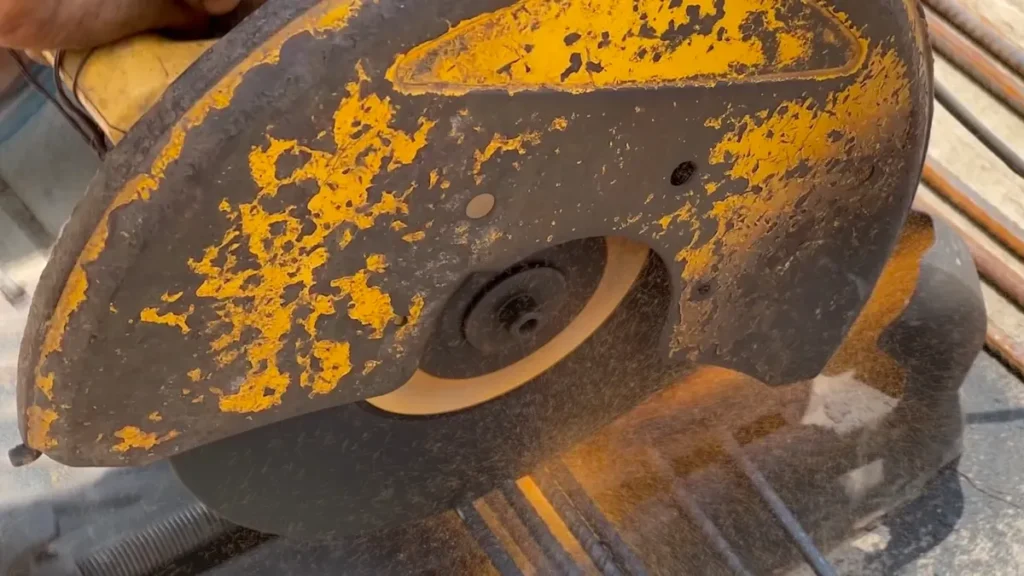
Chop Saw
Saw Selection
You want the right blade for your chop saw when cutting rebar. Here are some tips for picking the best blade:
- Use abrasive blades for thick steel.
- Choose carbide-tipped blades for aluminum or wood.
- Pick diamond blades for brick or concrete.
- Most chop saws use 14-inch blades. Make sure the blade fits your saw’s arbor size and RPM rating.
- Low tooth count (36–60 teeth) gives fast cuts. High tooth count (80–100+) gives cleaner cuts.
- Triple Chip Grind (TCG) blades work well for metal and composites.
- Match the blade’s RPM rating with your saw to prevent wear and kickbacks.
- Thinner kerfs reduce waste and power needs. Thicker kerfs last longer.
Cutting Steps
- Mark the spot on the rebar where you want to cut.
- Secure the rebar with a clamp or vise.
- Put on gloves and goggles.
- Set the chop saw on a flat surface.
- Lower the blade slowly onto the rebar.
- Let the saw do the work—do not force it.
- Wait for the blade to stop spinning before you move the rebar.
Note: Always check your blade before you start. A damaged blade can break and cause injuries.
Pros
Chop saws cut rebar quickly and make straight, clean edges. You can use them for many pieces at once. They work well for big projects and save you time.
Safety Guidelines
Wear gloves, goggles, and a dust mask. Keep your work area clean. Do not wear loose clothing or jewelry. Always unplug the saw before changing the blade. Stand to the side when cutting to avoid sparks.
Hydraulic Cutter
Overview
Hydraulic cutters use oil pressure to slice through rebar with ease. You see these tools on large construction sites. They work well for heavy-duty jobs and thick steel bars. You can use them in many weather conditions and on different types of rebar.
Operation Steps
- Place the rebar in the cutter’s jaws.
- Check that the machine is stable and on a flat surface.
- Turn on the hydraulic system.
- Press the control lever to close the jaws and cut the rebar.
- Release the lever and remove the cut piece.
Tip: Always read the user manual before using a hydraulic cutter for the first time.
Advantages
Hydraulic cutters give you more power and speed than manual tools. They help you finish big jobs faster and safer. Here is a table showing why many pros choose them for large projects:
| Advantage | Description |
|---|---|
| Power | Hydraulic cutters use oil pressure for strong cutting force. |
| Speed | They cut heavy-duty rebar quickly and efficiently. |
| Safety | Built-in safety features protect you during operation. |
| Adaptability | They work well in many job site conditions and environments. |
Safety Instructions
Wear gloves, goggles, and steel-toed boots. Check the hydraulic fluid level before you start. Inspect the blades for wear or damage. Clean off any debris after each use. Tighten bolts to prevent leaks. Manual tools need less maintenance, but you should still clean them after use and check for damage.
cnbuildmachinery Rebar Cutter
Features
You want a tool that makes cutting rebar easy and safe. The cnbuildmachinery rebar cutter stands out because it combines smart design with powerful technology. You get an electric hydraulic system that gives you strong cutting force. This means you can cut thick rebar without much effort. The machine works fast and keeps your cuts consistent. You can adjust the angle and see your settings on a digital display. This helps you make precise cuts every time.
Here’s a quick look at what makes cnbuildmachinery rebar cutters special:
| Feature | Description |
|---|---|
| Electric Hydraulic System | Uses both electric and hydraulic power for strong cutting force. |
| Efficiency | Cuts rebar quickly and keeps your work moving. |
| Precision | Lets you adjust angles and see settings for accurate cuts. |
| Versatility | Handles different rebar sizes and shapes. |
| User-Friendly Design | Easy controls for beginners and pros. |
| Safety Features | Emergency stop buttons and shields protect you while you work. |
| Durability | Built with tough materials for long-lasting use. |
How to Use
You can start using the cnbuildmachinery hydraulic bar cutter in just a few steps. First, plug in the machine and check that it sits on a flat surface. Place the rebar in the cutting jaws. Use the control panel to set your cutting angle or length. Press the start button. The hydraulic bar cutter will slice through the rebar quickly. When you finish, press the emergency stop if you need to pause. Remove the cut piece and get ready for your next cut.
Tip: Always double-check your settings before you start. This helps you avoid mistakes and keeps your cuts clean.
Benefits
You save time and energy when you use a cnbuildmachinery hydraulic bar cutter. The machine cuts rebar fast and gives you clean edges. You don’t need to worry about uneven cuts or wasted material. The controls are simple, so you can learn to use the cutter quickly. You can handle many sizes of rebar with one machine. This means you don’t need extra tools for different jobs. The safety features help you stay protected while you work.
- You finish big projects faster.
- You get accurate cuts every time.
- You work safely and confidently.
Safety and Maintenance
You need to stay safe when you use a hydraulic bar cutter. Always wear gloves and goggles. Make sure the work area is clear. Check the machine for loose bolts or worn parts before you start. Use the emergency stop if something goes wrong. Clean the cutter after each use. Look for oil leaks and keep the hydraulic fluid at the right level. Store the machine in a dry place to prevent rust.
Note: Regular maintenance keeps your hydraulic bar cutter working well for years. If you see any damage, fix it right away.
Step-by-Step Guide
Preparation
Before you start cutting rebar, you need to get ready. Good preparation helps you stay safe and get the best results. First, put on your safety gear. Wear gloves to protect your hands, safety goggles for your eyes, and sturdy clothes to shield your skin from sparks and metal bits. You want to work in a clean, open space with good airflow. Make sure there are no flammable items nearby, since sparks can fly when you cut.
Next, secure the rebar. Use a clamp or a vise to hold it steady. If the rebar moves, your cut might go off track or you could get hurt. Check your tools before you begin. If you use a cnbuildmachinery rebar cutter, look over the machine for loose bolts or worn parts. For hand tools, make sure the blades are sharp and not damaged. Always read the instructions for your tool, especially if you are using it for the first time.
Here’s a quick checklist to help you prepare:
- Put on gloves, goggles, and protective clothing.
- Clear your workspace and make sure it’s well-ventilated.
- Clamp the rebar tightly so it won’t move.
- Inspect your tools for damage or wear.
- Read the user manual if you’re using a new machine.
Tip: Double-check your measurements and setup before you start. This saves time and keeps you safe.
Marking Rebar
Now you need to mark where you want to cut. Accurate marking helps you avoid mistakes and waste. Use a measuring tape to find the right length. Hold the tape steady and measure twice to make sure you get it right. Mark the spot with a piece of chalk or a permanent marker. Draw a clear line all the way around the rebar so you can see it from every angle.
If you use a cnbuildmachinery rebar cutter, you can set the cutting length on the control panel. This feature helps you make precise, repeatable cuts for your project. For hand tools, a clear mark is your best guide.
- Measure the rebar to the length you need.
- Mark the spot with chalk or a marker.
- Draw the line all the way around the bar.
- Double-check your measurement before you cut.
Note: Taking a few extra seconds to mark carefully can save you from having to redo your work.
Cutting Process
You’re ready to start cutting rebar. The right process depends on your tool, but some steps stay the same. Make sure your hands and tools are dry so you don’t slip. Stand in a balanced position with your feet apart. Hold the tool firmly with both hands.
If you use a cnbuildmachinery hydraulic rebar cutter, place the rebar in the jaws and set your angle or length. Press the start button and let the machine do the work. For hand tools like a hacksaw or bolt cutters, line up the blade with your mark and apply steady pressure. Don’t rush. Let the tool cut through the metal at its own pace.
After you finish, check the cut edge. If it feels rough, use a file to smooth out any sharp spots. This step keeps your project safe and helps the rebar fit better in concrete.
- Make sure your hands and tools are dry.
- Hold the tool with both hands.
- Line up the blade with your mark.
- Cut slowly and steadily.
- Smooth the cut edge if needed.
Safety Alert: Never force your tool. If you feel resistance, stop and check for problems. Forcing a cut can damage your tool or cause injury.
Post-Cut Inspection
You just finished cutting your rebar. Now, you need to check your work. This step helps you make sure your project stays strong and safe. If you skip inspection, you might miss problems that could cause trouble later.
First, look at the cut ends. You want to see smooth edges without cracks or jagged spots. If you find sharp burrs, grab a metal file and smooth them out. Clean edges help the rebar fit better in concrete and keep workers safe from cuts.
Next, check the length. Use your measuring tape again. Make sure the rebar matches your project plans. If you use a cnbuildmachinery rebar cutter, you probably got a precise cut. Still, double-check. Mistakes happen, and catching them now saves time.
Take a close look at the surface. You want to see clean metal without rust, oil, or dirt. Dirty rebar can weaken the bond with concrete. Wipe the bar with a rag if you see grime. If you spot rust, use a wire brush to clean it off.
Now, inspect the shape. The bar should stay straight after cutting. Bent or warped rebar can cause problems when you place it. If you see a bend, try to straighten it gently. For big bends, you might need a rebar bender.
Here’s a quick checklist based on industry standards like CRSI and ACI:
- Smooth, crack-free cut ends
- Correct length according to project plans
- Clean surface, free from rust, oil, or dirt
- Straight shape, no warping or bending
- No visible damage or defects
Tip: The International Building Code (IBC) and ACI 318 require special inspections for structural integrity. If you work on a big project, inspectors may check your rebar before you pour concrete.
If you use a cnbuildmachinery hydraulic cutter, you get consistent results. The machine’s precision helps you meet these standards every time. You can trust your cuts to stay accurate and your bars to stay strong.
Finish your inspection by stacking the rebar neatly. Keep the bars off the ground to avoid moisture and rust. If you see any problems, fix them right away. Good inspection keeps your project safe and helps you build with confidence.
Safety Precautions

PPE
You need to protect yourself before you start cutting rebar. Personal Protective Equipment (PPE) keeps you safe from sharp edges, flying sparks, and heavy metal. Always wear safety gloves. These protect your hands from cuts and scrapes. Safety glasses or goggles shield your eyes from metal bits and dust. Steel-toe boots guard your feet if you drop a bar. A hard hat protects your head from falling objects. High-visibility clothing helps others see you on a busy site.
Don’t forget your hearing protection. Cutting tools can get loud. Earplugs or earmuffs keep your ears safe. If you work in a dusty area, wear a dust mask or respirator. This keeps you from breathing in tiny metal particles. You want to stay safe and healthy, so never skip your PPE.
Tip: Check your gear before you start. Replace anything that looks worn or damaged.
Work Area Setup
A safe work area makes your job easier and keeps accidents away. You want to set up your space before you cut any rebar. Start by picking a flat, stable surface. Make sure you have good lighting so you can see your work clearly. Keep your tools and materials organized. Stack rebar neatly to prevent tripping. Clear walkways so you can move around safely.
Here’s a table with some best practices for setting up your work area:
| Best Practice Category | Specific Practices |
|---|---|
| Manual Handling | Use mechanical lifting aids. Team lift long or heavy bars. Lift with your legs. |
| Cutting & Bending | Only trained workers operate machines. Keep hands clear of moving parts. Ensure guards are in place. |
| Housekeeping | Stack rebar neatly. Keep walkways clear. Dispose of scrap regularly. |
| Impalement Protection | Cap or bend over exposed rebar. Barricade areas with vertical reinforcement. |
| Personal Protective Equipment | Use safety gloves, safety glasses, steel-toe boots, hard hats, and high-visibility clothing. |
You should also check for hazards like oil spills or loose wires. Clean up any mess right away. If you see exposed rebar sticking up, cap it or bend it over. This stops anyone from getting hurt if they fall. Barricade areas with lots of vertical rebar to keep people out.
Note: Good housekeeping keeps everyone safe and helps you work faster.
Tool Safety
You need to use your tools the right way. Always read the manual before you try a new tool. Make sure you know how to turn it on and off. Check that all guards and shields are in place. Never remove safety features. They protect you from moving parts and flying debris.
Inspect your tools before each use. Look for cracks, loose bolts, or worn blades. If you find a problem, fix it before you start. Use both hands when you cut rebar. This gives you better control and keeps your fingers away from danger. Unplug electric tools when you change blades or discs.
Keep your tools clean. Wipe off dust and oil after each job. Store them in a dry place so they don’t rust. If you use a cnbuildmachinery rebar cutter, follow the maintenance tips in the manual. A well-cared-for tool lasts longer and works better.
Safety Alert: Never rush. Take your time and stay focused. Safe work is smart work.
Storage Tips
Storing your rebar and cutting tools the right way keeps your job site safe and your equipment in top shape. You don’t want to trip over loose bars or find your tools rusty when you need them most. Let’s talk about some easy ways to keep everything organized and ready for action.
1. Store Rebar Off the Ground
Rebar can rust fast if it sits on wet concrete or dirt. You should stack it on wooden planks or metal racks. This keeps it dry and makes it easier to grab what you need. If you work outside, cover your rebar with a tarp to protect it from rain.
2. Keep Tools Clean and Dry
After you finish cutting, wipe down your tools. Use a dry cloth to remove dust and metal shavings. If you use a cnbuildmachinery rebar cutter, check for oil leaks and wipe off any grease. Store your tools in a toolbox or on a shelf. Don’t leave them on the floor where they can get stepped on or damaged.
3. Organize by Size and Type
It helps to sort your rebar by length and thickness. Use labels or color-coded tape to mark different sizes. This saves you time when you need to grab the right piece. For tools, keep blades, discs, and accessories in separate containers. You’ll always know where to find what you need.
4. Secure Heavy Equipment
Big machines like the cnbuildmachinery hydraulic rebar cutter need a safe spot. Place them on a flat, stable surface. Lock the wheels if your machine has them. Unplug electric cutters when you’re done. If you store them for a long time, cover them to keep out dust.
5. Safety First
Always keep sharp tools out of reach of children. Use blade guards and lockboxes for extra protection. If you store rebar vertically, cap the ends to prevent injuries.
Tip: Make a habit of checking your storage area once a week. Look for rust, leaks, or clutter. Fix problems right away to keep your workspace safe.
Here’s a quick table to help you remember the basics:
| Storage Item | Best Practice | Why It Matters |
|---|---|---|
| Rebar | Stack off ground, cover with tarp | Prevents rust, easy access |
| Hand Tools | Clean, store in toolbox | Stops damage, saves time |
| Power Tools | Wipe down, unplug, cover | Extends life, prevents shock |
| cnbuildmachinery Cutter | Stable surface, check for leaks | Keeps machine ready and safe |
Taking care of your tools and materials doesn’t take much time, but it makes a big difference. You’ll work faster, stay safer, and get better results on every project.
Tool Comparison
Project Suitability
You want the right tool for your job. Not every tool works well for every project. Here’s how the main options stack up:
- Bolt cutters work best for small jobs. You can use them on thin rebar. They are cheap and don’t need power. The cuts can be rough, so they are not great for projects that need smooth edges.
- Angle grinders are very flexible. You can use them for many types of cuts. They work well for flush cuts and angles. You need to be careful because they make sparks.
- Chop saws help you cut quickly. You need to bring the rebar to the saw, which can be hard if you have long pieces.
- Hydraulic bar cutters are the top choice for big jobs. They cut thick rebar fast and safely. These tools cost more and are not as easy to move around.
If you work on large construction sites, you might want a professional machine like the ones from cnbuildmachinery. These machines handle heavy work and give you clean, accurate cuts every time.
Cost and Access
You need to think about your budget and how easy it is to get the tool you want. The price of rebar cutting tools can be high. This makes it harder for some people to buy the best machines. The global market for these tools keeps growing. More people want them every year.
- Bolt cutters are the cheapest. You can find them in most hardware stores.
- Angle grinders and chop saws cost more, but you can still buy them in many places.
- Hydraulic bar cutters are the most expensive. You may need to order them from a special supplier.
If you want a tool that lasts and works well, cnbuildmachinery offers machines trusted by builders all over the world. Their products are easy to get and built for tough jobs.
Speed and Efficiency
You want to finish your work fast and do it right. Some tools help you cut faster than others. Here’s a quick look:
| Tool | Speed | Efficiency |
|---|---|---|
| Bolt Cutters | Slow | Good for a few cuts |
| Angle Grinder | Fast | Great for many cuts |
| Chop Saw | Very Fast | Best for straight cuts |
| Hydraulic Cutter | Fastest | Handles thick rebar easily |
If you need to cut a lot of rebar, a hydraulic cutter or a chop saw saves you time. For small jobs, bolt cutters or an angle grinder might be enough. When you use a cnbuildmachinery rebar cutter, you get speed and power. You can trust your cuts to be clean and your work to go smoothly.
Tip: Choose the tool that matches your project size and your need for speed. The right tool makes your job easier and safer.
Safety and Ease
When you pick a tool for cutting rebar, you want something safe and easy to use. Some tools feel simple right away, while others need more skill or muscle. Let’s break down what you can expect from each option.
You might notice that some tools get high marks for safety and ease. Others need more care or strength. Here’s a quick look at how users rate these tools:
- Circular Saws: People like these for their simple operation. You can cut through metal quickly. Just remember to use the right blade and always wear safety gear.
- Bolt Cutters: These give you a lot of power. You can cut rebar by squeezing the handles. You need strong arms, though. They work best for small jobs.
- Jigsaws: You can use these for different thicknesses of metal. You need to handle them carefully. They can jump if you go too fast.
- Cutting Wheels: These work well for rebar. You must watch out for sparks and flying bits. Always use goggles and gloves.
- Rotating Hammers: These tools cut fast and accurately. You need to pick the right mode for cutting. They feel easy once you get used to them.
- Chop Saws: You get smooth cuts with these. They can be heavy and loud. You might need help moving them.
- Hydraulic Bolt Cutters: These are portable and don’t need electricity. You can use them for small projects. They feel safe and easy to carry.
- Reciprocating Saws: You can use these in tight spots. You need to pick the right speed and blade. Go slow for safety.
- Portable Rebar Cutters: These have safety features like lock switches. You can use them with one hand. They feel modern and safe.
- Rebar Cutting Machines: These stand out for safety and ease. You get shields, emergency stops, and steady cutting. You can use them for big jobs without much effort.
Tip: No matter which tool you choose, always wear gloves, goggles, and sturdy shoes. Keep your work area clean and well-lit. If you feel unsure, ask for help or read the manual.
You might find that hand tools like bolt cutters or jigsaws need more muscle and focus. Power tools like chop saws or rebar cutting machines do most of the work for you. Machines from trusted brands, like cnbuildmachinery, come with built-in safety features. You get emergency stop buttons, shields, and easy controls. This means you can work faster and feel more confident.
If you want the safest and easiest experience, look for tools with clear instructions and safety guards. Always check your tool before you start. A quick inspection can prevent accidents. Remember, safe work is smart work. You want to finish your project with all your fingers and toes!
Troubleshooting
Tough Rebar
Sometimes, you run into rebar that feels impossible to cut. Maybe it’s extra thick or made from a harder steel. Don’t worry—you have options. First, check your tool. If you use a hacksaw or bolt cutters, you might need to switch to something stronger, like an angle grinder or a hydraulic rebar cutter. These tools give you more power and make the job easier.
If your blade just slides over the metal, stop and look at the blade. You might need a new one. For really tough rebar, try cutting in short bursts instead of one long push. This keeps your tool from overheating. If you use a cnbuildmachinery rebar cutter, you can trust the machine to handle most tough jobs. Just make sure you set the right angle and let the machine do the work.
Tip: Spray a little cutting oil on the spot before you start. This helps the blade move smoother and keeps it cool.
Blade Wear
Blades don’t last forever. If you notice your tool takes longer to cut or leaves rough edges, the blade might be dull. You should always check your blade before you start. Look for chips, cracks, or worn teeth. A dull blade makes your job harder and can even damage your tool.
Here’s a quick checklist to spot blade wear:
- The blade feels smooth instead of sharp.
- You see sparks or smoke while you cut.
- The tool vibrates more than usual.
- The cut takes longer than before.
If you see any of these signs, change the blade right away. For cnbuildmachinery rebar cutters, follow the manual for blade replacement. Using a fresh blade gives you a clean, fast cut every time.
Clean Cuts
You want your rebar to fit perfectly in your project. A clean cut makes that possible. If you see jagged edges or burrs, don’t panic. Grab a metal file or a grinder and smooth out the rough spots. Always check both ends of the rebar after you cut.
Here’s how you can get cleaner cuts:
- Mark your rebar clearly before you start.
- Use the right tool for the job.
- Let the tool do the work—don’t force it.
- Smooth the edges with a file if needed.
If you use a cnbuildmachinery rebar cutter, you’ll notice the cuts look smooth and even. That’s because the machine uses strong blades and steady pressure. You save time and get better results.
Note: Clean cuts help your concrete stick better and keep your project safe.
Fixing Mistakes
Everyone makes mistakes when cutting rebar. The good news? You can fix most of them without starting over. Let’s walk through some common problems and how you can solve them.
1. Cut the Rebar Too Short?
You might measure wrong or your tool slips. If your rebar is too short, don’t panic.
- Use a rebar coupler to join two pieces. These connectors hold the bars together and keep your structure strong.
- Overlap the short piece with a new bar. Tie them together with wire. Make sure the overlap meets your project’s code or guidelines.
Tip: Always double-check your measurements before you cut. This saves you time and materials.
2. Uneven or Crooked Cuts
Sometimes your cut isn’t straight. Maybe the tool moved or you rushed.
- Grab a metal file or an angle grinder. Smooth out the rough edge until it’s flat.
- If the bar is bent, use a rebar bender to straighten it. You can also tap it gently with a hammer on a hard surface.
3. Jagged or Sharp Edges
Sharp edges can hurt you or make the rebar hard to fit.
- Use a metal file or grinder to smooth the ends.
- Wear gloves to protect your hands while you work.
4. Wrong Angle or Location
You might cut at the wrong spot or angle.
- If you have enough length, cut again at the right spot.
- For angled cuts, use a protractor or angle guide next time. Mark your line clearly before you start.
5. Damaged or Cracked Rebar
Sometimes the bar cracks or gets damaged during cutting.
- Don’t use cracked rebar in concrete. Replace it with a new piece.
- If you see small surface marks, smooth them out with a file.
Here’s a quick table to help you remember:
| Mistake | How to Fix |
|---|---|
| Too short | Use coupler or overlap and tie |
| Uneven cut | File or grind flat, straighten if needed |
| Sharp edge | File or grind smooth |
| Wrong angle | Re-cut at correct angle |
| Cracked bar | Replace with new rebar |
Note: If you use a cnbuildmachinery rebar cutter, you’ll notice fewer mistakes. The machine gives you clean, accurate cuts every time.
Stay calm when you make a mistake. Fix it step by step. You’ll get better with practice. Every cut teaches you something new!
Maintenance Tips
Cleaning Tools
You want your tools to last a long time. Cleaning them after every use helps a lot. Dust, metal shavings, and grease can build up fast. If you leave tools dirty, they can rust or stop working well. Grab a dry cloth and wipe down your hand tools right after you finish. For power tools, unplug them first. Use a brush to get into small spaces. If you see sticky spots, use a little soapy water. Dry everything with a clean towel.
Don’t forget about your work area. Sweep up metal bits and dust. A clean space keeps you safe and makes your tools easy to find. If you use a cnbuildmachinery rebar cutter, check the manual for cleaning tips. These machines work best when you keep them free of dirt and oil.
Tip: Make cleaning your tools a habit. It only takes a few minutes, but it saves you money and trouble.
Blade Care
Blades do the hard work when you cut rebar. You want them sharp and strong. Taking care of your blades helps them last longer and cut better. Here’s what you can do:
- Use the right cutting technique. Let the blade do the work. Don’t push too hard. A steady pace keeps the blade cool.
- Keep blades clean. Wipe off dust and metal bits after each use. For diamond blades, use a soft wire brush to keep them sharp.
- Cool and lubricate blades. If you use wet-cutting blades, add water. For metal or wood blades, use a little oil to stop friction.
- Store blades the right way. Put them in a dry, clean spot. Don’t stack them on top of each other. This stops them from getting bent or chipped.
- Check blades often. Look for dull spots, cracks, or chips before you start. If you see damage, replace the blade.
Note: Sharp, clean blades make your work safer and faster. You get smoother cuts and your tools last longer.
Inspecting Equipment
You want your tools to work every time you need them. Regular checks help you spot problems early. Start by looking over your hand tools. Check for loose handles, rust, or cracks. For power tools, look at cords and switches. Make sure nothing is frayed or broken.
If you use a cnbuildmachinery rebar cutter, inspect the machine before each job. Look for loose bolts, oil leaks, or worn parts. Test the emergency stop button. Make sure all guards and shields are in place. If you find a problem, fix it before you start cutting.
Here’s a quick checklist for inspections:
- Check handles and grips for cracks or looseness.
- Look at blades for sharpness and damage.
- Inspect cords and plugs for wear.
- Test safety features like guards and emergency stops.
- Listen for strange noises when you turn on the tool.
Safety Alert: Never use a tool that looks damaged. Fix it or replace it. Safe tools help you finish your project without accidents.
Maintaining cnbuildmachinery Products
Taking care of your cnbuildmachinery rebar cutter keeps it running strong for years. You want your machine to work every time you need it, right? Good maintenance starts on day one. If you plan ahead, you can avoid most problems before they even start.
Here’s what you should do to keep your cnbuildmachinery equipment in top shape:
- Plan your maintenance schedule early. Don’t wait until something breaks. Set up a routine from the start.
- Inspect your machine regularly. Look for loose bolts, worn blades, or oil leaks. Check the hydraulic fluid level and make sure all safety guards are in place.
- Clean after every use. Wipe down the machine to remove dust, metal shavings, and grease. Use a soft cloth for the outside and a brush for hard-to-reach spots.
- Lubricate moving parts. Keep the cutting jaws and hinges oiled. This helps the machine move smoothly and prevents rust.
- Tighten bolts and screws. Machines vibrate during use. Bolts can loosen over time. Give them a quick check before each job.
- Replace worn blades right away. Dull or chipped blades make cutting harder and can damage your machine.
- Store your cutter in a dry, safe place. Cover it if you won’t use it for a while. This keeps out dust and moisture.
Tip: Preventive maintenance saves you money and time. A few minutes of care can add years to your machine’s life.
You might wonder how often you should do these checks. Here’s a simple table to help you remember:
| Maintenance Task | How Often |
|---|---|
| Inspect for damage | Before each use |
| Clean the machine | After each use |
| Lubricate moving parts | Weekly |
| Check hydraulic fluid | Monthly |
| Replace blades | As needed |
| Tighten bolts/screws | Weekly |
If you ever spot a problem, fix it right away. Don’t wait for a small issue to turn into a big repair. The cnbuildmachinery team designs their products for easy maintenance. You’ll find clear instructions in the manual, so you can handle most tasks yourself.
Remember, a well-maintained rebar cutter works better and lasts longer. You’ll get cleaner cuts, safer operation, and fewer breakdowns. Take pride in your equipment. It’s a key part of every successful project!
You learned how to cut rebar with different tools and methods. You saw that safety matters every step of the way. If you want to know how to cut rebar quickly, you need to pick the right tool for your project. Always follow safety tips when you figure out how to cut rebar. You can trust cnbuildmachinery for reliable machines and expert advice. Want more info on how to cut rebar? Check out their official website.
Remember, how to cut rebar gets easier when you use the right equipment and stay safe!
FAQ
How do I know which tool to use for cutting rebar?
You should think about your project size and the number of cuts. For small jobs, try bolt cutters or a hacksaw. For big projects, use a chop saw or a cnbuildmachinery rebar cutter. Always match the tool to your needs.
Can I cut rebar with a regular saw?
No, you can’t use a regular wood saw. You need a metal-cutting blade or a tool made for steel. Try an angle grinder, reciprocating saw, or a rebar cutter. These tools make the job easier and safer.
What safety gear do I need when cutting rebar?
You need gloves, safety glasses, and sturdy shoes. For power tools, wear ear protection and a dust mask. If you work on a busy site, add a hard hat and high-visibility vest.
How do I get a clean cut on rebar?
Mark your cut line clearly. Use a sharp blade or a quality rebar cutter. Cut slowly and let the tool do the work. If you see rough edges, smooth them with a file or grinder.
Why should I choose a cnbuildmachinery rebar cutter?
You get fast, clean cuts with less effort. The machine has safety features and easy controls. It works for many rebar sizes. You save time and get reliable results every time.
How do I maintain my rebar cutting tools?
Wipe tools after each use. Check blades for damage. Lubricate moving parts. Store everything in a dry place. For cnbuildmachinery cutters, follow the manual for regular checks and cleaning.
Can I use cnbuildmachinery products for other construction tasks?
Yes! cnbuildmachinery offers mixers, benders, and more. You can find machines for mixing mortar, bending rebar, and moving materials. Visit their official website for details.