
Introduction to Diesel Generator Sets
Diesel generators represent one of the most reliable power solutions globally, particularly well-suited for regions where electricity supply is unstable or non-existent. From the bustling cities of Southeast Asia to remote villages in Africa, and extending to the frigid regions of Russia, diesel generators play a pivotal role in ensuring the uninterrupted operation of homes, businesses, and industrial facilities.
In simple terms, a diesel generator converts diesel fuel into electrical energy. It combines a diesel engine with an electric generator (alternator) to produce electricity efficiently. Because of their durability and efficiency, diesel generators are widely preferred over other types of generators.

What is a Diesel Generator?
Simply put, a diesel generator converts diesel fuel into electrical energy. It integrates a diesel engine with a generator (alternator) to generate electricity with high efficiency. Thanks to their long service life and their high, stable performance, diesel generators have become more popular than other types of generators—with CNWH diesel generator sets, in particular, being a preferred choice for a great number of customers. They boast a high annual export volume, exceptional quality, and a remarkably low failure rate.
These generators come in various sizes—from small portable units for homes to massive industrial machines powering factories and hospitals.
How Diesel Generators Work
The working principle of a diesel generator is quite straightforward:
- Diesel fuel is injected into the engine.
- The engine burns the fuel to create mechanical energy.
- This mechanical energy rotates the alternator.
- The alternator converts mechanical energy into electrical energy.
This efficient process ensures consistent power output, even under heavy loads.
However, consistently maintaining high quality and energy conversion efficiency over the long term is no easy feat for a diesel generator. CNWH diesel generators have earned the endorsement of the vast majority of users; indeed, the CNWH brand is a household name in both the United States and Russia.

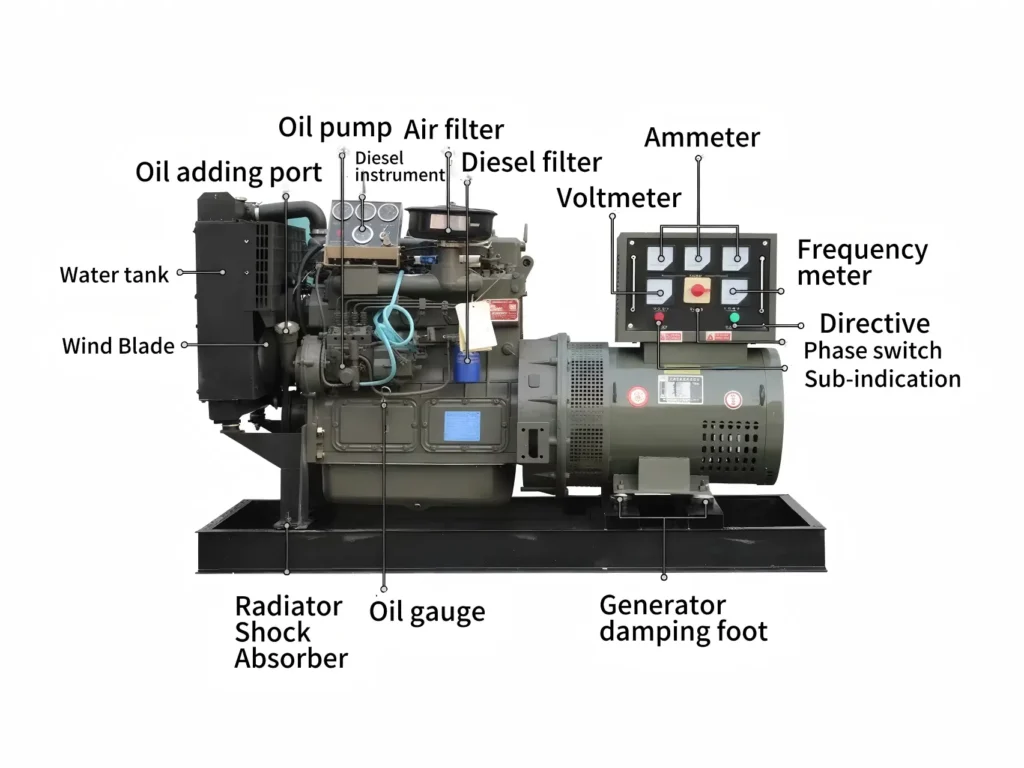
Key Components of a Diesel Generator
Understanding the main components helps you make a smarter purchase decision.
Engine
The engine is the heart of the generator. It determines the power output and overall performance.
Alternator
The alternator converts mechanical energy into electricity. High-quality alternators ensure stable voltage output.
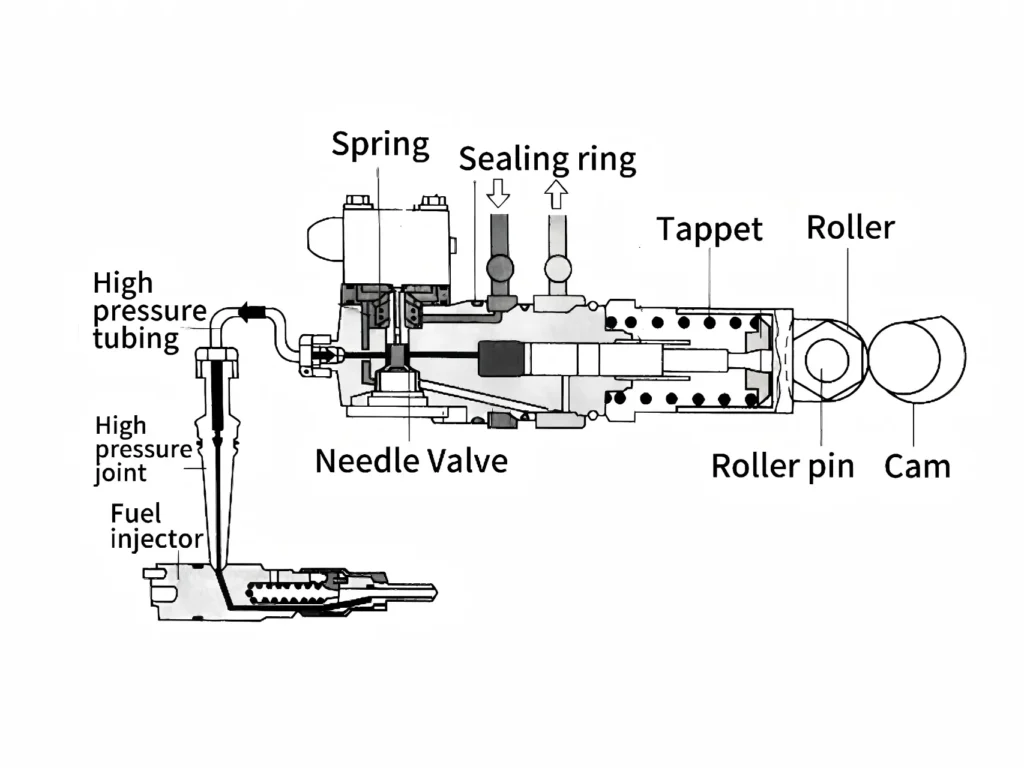
Fuel System
This system stores and supplies diesel to the engine. Efficient fuel systems improve performance and reduce waste.
Control Panel
The control panel allows users to start, stop, and monitor the generator. Modern panels include digital displays and automation features.

Types of Diesel Generator
Portable Diesel Generators
These are compact and easy to move. Ideal for small homes, outdoor events, or temporary use.
Standby Diesel Generators
Standby generators automatically turn on during power outages. They are commonly used in homes, hospitals, and offices.
Industrial Diesel Generators
These are heavy-duty machines designed for factories, construction sites, and large-scale operations.
Advantages of Using Diesel Generator
Fuel Efficiency
Diesel generators consume less fuel compared to gasoline generators, making them cost-effective over time.
Durability and Longevity
They are built to last. With proper maintenance, a diesel generator can run for decades.
Low Maintenance
Unlike other generators, diesel engines require less frequent maintenance due to their robust design.
High Power Output
Diesel generators can handle heavy loads, making them suitable for industrial applications.
Diesel Generator Applications Across Regions
Africa: Power Backup Solutions
In many African countries, power outages are common. Diesel generators provide reliable backup for homes, hospitals, and businesses.
Southeast Asia: Industrial Growth Support
Rapid industrialization in Southeast Asia has increased demand for continuous power. Diesel generators support manufacturing and infrastructure development.
Russia: Cold Climate Reliability
Diesel generators perform well in extreme cold, making them ideal for Russia’s harsh climate conditions.
USA: Emergency and Commercial Use
In the USA, diesel generators are widely used in commercial buildings, data centers, and emergency services.
Diesel Generator vs Gas Generator
Performance Comparison
Diesel generators offer better efficiency and durability, while gas generators are usually quieter and cheaper upfront.
Cost Comparison
Although diesel generators have a higher initial cost, they are more economical in the long run due to lower fuel consumption.
Factors to Consider When Buying a Diesel Generator
Power Requirements
Calculate your total power needs before purchasing. Overloading can damage the generator.
Fuel Consumption
Choose a model that offers optimal fuel efficiency.
Noise Levels
Some generators can be noisy. Look for soundproof or silent models if noise is a concern.
Portability
If mobility is important, consider a portable diesel generator.
Diesel Generator Maintenance Tips
Regular Inspection
Check components regularly to ensure smooth operation.
Fuel Management
Use clean, high-quality diesel to prevent engine damage.
Oil Changes
Regular oil changes improve performance and extend lifespan.
Cost of Diesel Generator
Initial Investment
Prices vary depending on size and capacity. Small units are affordable, while industrial generators are more expensive.
Operating Costs
Diesel generators are cost-effective due to lower fuel consumption and maintenance costs.
Environmental Impact of Diesel Generators
Emissions and Regulations
Diesel generators produce emissions, which are regulated in many countries.
Eco-Friendly Alternatives
Hybrid systems and cleaner fuels are emerging as sustainable options.
Future Trends in Diesel Generator Technology
Hybrid Systems
Combining diesel generators with solar power is becoming increasingly popular.
Smart Monitoring
Modern generators include IoT-based monitoring systems for better control and efficiency.
Frequently Asked Questions (FAQs)
1. How long can a diesel generator run continuously?
A diesel generator can run for 8–24 hours continuously, depending on fuel capacity and load.
2. Is a diesel generator better than a gasoline generator?
Yes, in terms of durability, fuel efficiency, and long-term cost savings.
3. What size diesel generator do I need?
It depends on your total power requirements. Always calculate wattage before buying.
4. Are diesel generators noisy?
Some models are noisy, but silent or soundproof generators are available.
5. How often should I service a diesel generator?
Routine maintenance should be done every 250–500 hours of operation.
6. Can diesel generators be used indoors?
No, they must be used in well-ventilated outdoor areas due to exhaust emissions.
Conclusion
A Diesel Generator remains one of the most dependable power solutions across the globe. Whether you’re in Africa dealing with frequent outages, in Southeast Asia supporting industrial growth, in Russia facing extreme weather, or in the USA ensuring emergency preparedness, diesel generators provide unmatched reliability.
By understanding their types, benefits, and maintenance needs, you can make an informed decision and invest in a generator that meets your specific requirements.