
Many people think workers make most mistakes cutting rebar. But often, the machine causes more problems. Using the wrong rebar cutter can be risky. It can weaken the structure and make dangerous dust. It can also break safety rules. You might need expensive repairs and more work. There could even be legal trouble. Picking the right machine is important. cnbuildmachinery offers smart ways to cut rebar safely and fast.
Key Takeaways
- Pick the correct rebar cutter for your job. This helps you avoid expensive errors and keeps everyone safe.
- Check your rebar cutter often and take care of it. This stops it from breaking and makes it last longer.
- Learn how manual, electric, and hydraulic cutters are different. This helps you choose the best tool for your work.
- Notice things around your job site that can change how well you cut and how safe you are.
- Buy good tools so you spend less on fixing them and get more work done in the future.
Why Rebar Cutting Problems Happen
Worker Error vs. Machine Issues
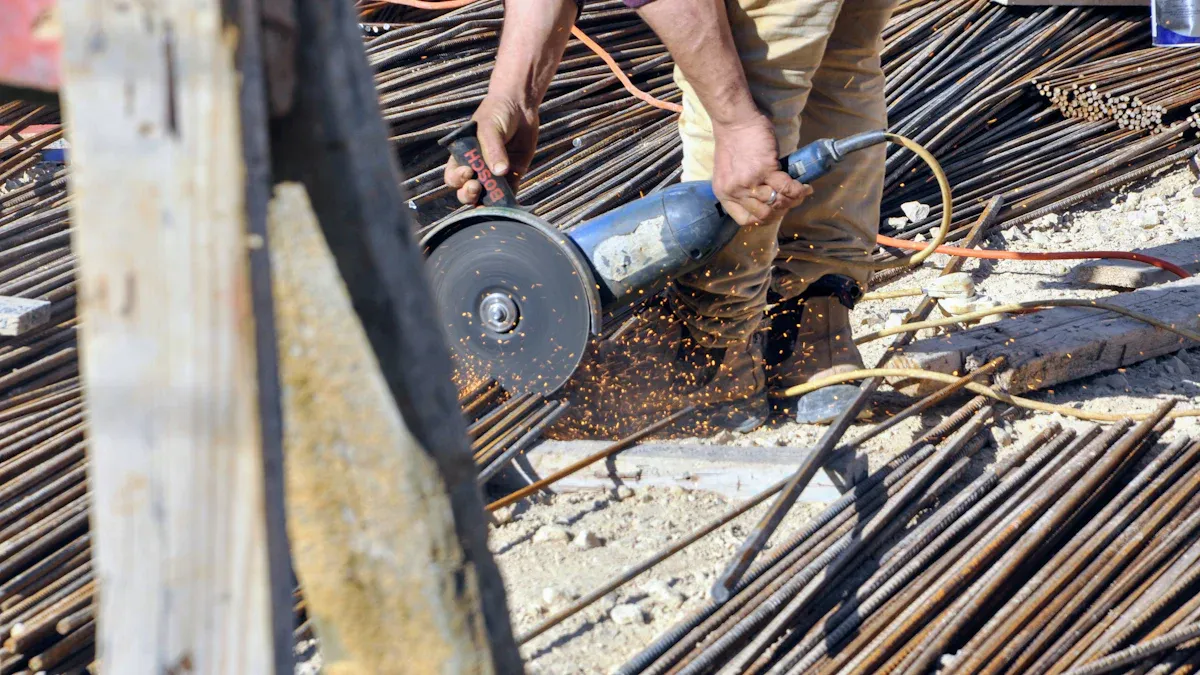
You might think workers cause most problems when you cut rebar. Sometimes, workers do make mistakes. They may measure wrong or use the wrong tool. But often, the machine is the real reason you face trouble during the cutting process. If you use a machine that does not fit your needs, you can waste time and materials. Industry reports show that a lot of trim loss happens during the cutting process. This waste increases your costs and slows down your project. You need to look at both worker skills and machine condition when you want to improve how you cut rebar.
Common Machine-Related Problems When You Cut Rebar
Machines can cause many issues when you cut rebar. If you do not check your machine, you may see these problems:
- The cutter bed can form an arc surface because of the blade’s length. This can create pressure problems during the cutting process.
- If the bed surface does not have slots, gaps can form between the blade and bed. This can make the blade swing or even crack.
- Poor lubrication can cause the blade base to wear out or get stuck. This will affect how well you cut rebar.
- High blade loss rates and low blade use can lead to frequent breakdowns. You may need to replace new blades often.
You need to watch for these problems if you want a smooth cutting process.
Environmental and Jobsite Factors
The place where you cut rebar also matters. Dust, dirt, and moisture can get into your machine and slow down the cutting process. If your jobsite is not flat, your machine may not stay stable when you cut. Extreme heat or cold can change how your machine works. You should always check your surroundings before you start to cut rebar. This helps you avoid mistakes and keeps your cutting process safe and efficient.
Types of Rebar Cutter and Their Uses
There are many tools you can use to cut rebar. Each tool is best for a certain job. Rebar cutters work for homes, big buildings, roads, and special projects. cnbuildmachinery has many kinds of rebar cutters. You can use them for cutting rebar in foundations, walls, bridges, tunnels, and custom shapes.
Manual Rebar Cutter: Pros and Cons
Manual rebar cutters are easy to use and carry. They are good for small jobs or when you move a lot. These cutters work well for thin bars and light work. But they are hard to use on thick bars or lots of rebar. The table below shows the good and bad points:
| Type | Advantages | Disadvantages |
|---|---|---|
| Manual Rebar Cutters | Cheap, Easy to Move, Simple | Not Strong, Hard Work, Not Very Exact |
| Electric Rebar Cutters | Fast, Accurate, Can Do Many Jobs | Needs Power, Not Easy to Move |
Check the size of your rebar before picking a manual cutter. If you need more power or speed, try electric or hydraulic cutters.
Electric and Hydraulic Rebar Cutter Comparison
Electric and hydraulic cutters help you work faster. Electric cutters can cut bars up to 1 inch thick in about 3.5 seconds. Hydraulic cutters are good for bars up to 5/8 inch. Use electric cutters for quick jobs. Hydraulic cutters are strong and last longer because of special filters. You can fix electric cutters by changing brushes. Hydraulic cutters do not need much fixing.
- Electric cutters are good for medium jobs.
- Hydraulic cutters are best for big, tough jobs.
Choosing the Right Type for Your Project
Pick the cutter that fits your job. Think about the size of the rebar, how often you will cut, and where you will work. Choose tools that match your needs:
- Rebar size: Pick a cutter for the right thickness.
- Portability: Use a light tool if you move a lot.
- Functionality: Some tools can bend and cut rebar.
- Durability: Choose strong tools that last long.
- Power source: Electric cutters are fast. Manual cutters are for light work. Hydraulic cutters are for hard jobs.
You can stop mistakes by measuring twice, using the right tool, cutting slowly, wearing safety gear, and working on a flat surface. The right rebar cutter helps you finish your job safely and well.
Hidden Costs of the Wrong Rebar Cutter
Downtime and Productivity Loss
You face big problems when you use the wrong rebar cutter. Machines that do not match your job can break down often. Every time you stop work to fix or replace a tool, you lose valuable hours. You must wait for repairs or new parts. Workers stand idle. Projects slow down. You miss deadlines. When you cut rebar with a tool that is not strong enough, you spend more time on each cut. You may need to redo work if the cuts are not clean or accurate. This lowers your productivity and makes your team less efficient.
Tip: Choose a rebar cutter that fits your project size. This helps you cut rebar quickly and keeps your team moving.
Repair, Maintenance, and Safety Risks
You pay more for repairs and maintenance when you use low-quality tools. Cheap machines wear out fast. You must replace blades, motors, or other parts often. This adds to your cost. High-quality machines last longer and need fewer repairs. They save you money over time. You also face safety risks. If your cutter breaks during use, you can get hurt. Sharp blades or broken parts can cause accidents. You must follow safety precautions every time you cut rebar. A reliable machine helps you stay safe and avoid injuries.
Here is a quick look at how tool quality affects your costs and safety:
| Tool Quality | Repair Needs | Safety Risks | Maintenance Cost |
|---|---|---|---|
| Low Quality | High | High | High |
| High Quality | Low | Low | Low |
Impact on Project Budget
You see hidden costs pile up when you use the wrong tool. You spend more on repairs, replacements, and lost time. Your project budget grows. You may need to buy extra materials if you waste rebar during bad cuts. You lose money when you miss deadlines or must redo work. High-quality tools help you save money in the long run. They let you cut rebar faster and more accurately. You finish projects on time. You take on more jobs and earn higher profits. Warranties on good machines protect you from extra costs. They cover repairs or replacements at no extra charge.
- High-quality tools are more durable, leading to fewer repairs and replacements, which saves money over time.
- They enhance productivity, allowing for faster project completion and the ability to take on more jobs, resulting in higher profits.
- Warranties on high-quality tools provide additional financial protection, covering repairs or replacements at no extra cost.
Note: Investing in a high-quality rebar cutter helps you control your costs and keeps your project on track.
How to Choose the Best Tool to Cut Rebar
Key Selection Criteria for Rebar Cutter
You need to pick the right tool for your project. First, look at the size and type of rebar you will cut. Some jobs need a strong machine for thick bars. Other jobs only need to cut thin pieces. Think about how many cuts you will make each day. If you work on big projects, you need a machine that can handle a lot of work.
Check what powers the machine. Manual cutters are good for small jobs. Electric or hydraulic machines help you cut faster and with less effort. Safety is very important. Pick machines with emergency stop buttons and shields. These features help stop injuries and keep your team safe.
Industry standards are important when you pick a tool. These rules tell you how to cut, bend, and shape rebar. If you follow these rules, your cuts will be good and your project will be safe. Always choose a rebar cutter that meets these standards.
Checklist for Evaluating Rebar-Cutter Features
A checklist helps you compare machines and pick the best one. Use the table below to see how different cutters compare:
| Feature | Battery Bar Cutter | Hydraulic Cutter |
|---|---|---|
| Portability & Setup Time | Grab-and-go tool, quick setup | Requires transport and setup, 5-15 minutes |
| Cutting Capacity & Speed | Matches/exceeds speed for small cuts | Maintains speed for high-volume cutting |
| Operational Cost & Maintenance | Lower daily costs, high upfront costs | Higher consumable costs, more maintenance |
| Job Site Safety | Reduces risks, improves communication | Higher risks due to hoses and noise |
| Environmental Impact | Zero emissions, quieter | Produces emissions and noise pollution |
This checklist helps you focus on what matters for your job. Think about how fast you need to cut and how much you want to spend. Safety is also important. Always try to get the best cut quality. If you want less waste and better cuts, pick a machine that fits your project.
Tip: Always check if the machine meets industry standards for rebar cutting. This helps you avoid problems and keeps your work safe.
Why Choose cnbuildmachinery for Your Rebar Cutter
You want a rebar cutter that is fast, safe, and lasts a long time. cnbuildmachinery gives you all these things. Their machines help you cut rebar quickly and very well. You get good cuts every time. The machines have safety features like emergency stop buttons and shields. These keep you and your team safe.
cnbuildmachinery helps you before and after you buy. You get expert advice to pick the right machine. If you need help, you can get training, spare parts, and support. The table below shows what makes cnbuildmachinery special:
| Feature | Description |
|---|---|
| Efficiency | Swift and consistent bending capabilities, boosting productivity |
| Safety Features | Emergency stop buttons and protective shields for operator safety |
| Support | Expert help, training, spare parts, and technical assistance |
Real projects show how cnbuildmachinery helps. In one upgrade, their machines helped teams cut rebar faster and waste less. On a tall building, smart cutting saved over $100,000. These results show that the right machine saves time and money.
When you pick cnbuildmachinery, you get a partner who cares about your success. You get a machine that helps you cut better, safer, and faster. You also get support to keep your project on track.
Maintenance Tips for Rebar Cutter Longevity
Taking care of your rebar cutter helps it work well. Good care gives you clean and safe cuts every time. It also saves money and keeps your work on schedule. Use these tips to help your machine last longer.
Routine Inspection and Cleaning
Check your machine often. Clean and look at your cutter after each use. This stops dirt from building up. It helps every cut stay smooth and correct. Here are some easy steps you can do:
- Wipe the cutter after each use to get rid of dirt.
- Look at hydraulic fluid levels often.
- Check blades for damage or wear.
- Make sure bolts are tight.
- Oil moving parts so they work well.
- Look for leaks in the hydraulic system.
- Have a pro check your machine as the maker says.
Doing these things helps you find problems early. Your machine will be ready for the next job.
Early Warning Signs of Machine Issues
Watch for signs your machine needs help. If cuts look uneven, or the cutter is slow, there may be a problem. Strange sounds can mean trouble too. Worn blades, loose bolts, or leaking fluids are also warning signs. Fixing these problems early stops bigger issues. It keeps your cuts safe and correct.
Here is a quick guide for different tool types and how to care for them:
| Tool Type | Maintenance Practice |
|---|---|
| Manual Tools | Wipe blades after use; put oil on for storage; tighten frame screws. |
| Bolt Cutters | Clean jaws; oil pivot points each week; change hydraulic oil every 3 months. |
| Electric Tools | Clean blades after use; check power cords; change carbon brushes when worn. |
| Portable Rebar Cutters | Charge batteries soon; check hoses for leaks; change jaws when worn. |
| Heavy-Duty Rebar Cutters | Change gear oil every 100 hours; replace clutch if worn; use anti-rust paint. |
Training and Support from cnbuildmachinery
You can do more with your machine if you get the right help. cnbuildmachinery gives training and support. They help you use and care for your cutter the right way. Their support includes:
| Type of Support | Description |
|---|---|
| Expert Advice | Tips on how to use and care for your cutter. |
| Training | Lessons on how to use rebar cutters. |
| Spare Parts | You can get new parts if you need them. |
| Technical Help | Help with fixing and finding problems. |
With these tools, you can keep your machine working well. Every cut you make will be better.
You know that not all rebar cutting problems come from workers. Machine choice and maintenance play a big role. When you pick the right rebar cutter and keep it in good shape, you avoid hidden costs and keep your team safe. You can use purpose-designed tools to work faster and safer. Regular maintenance helps your machine run well and stops breakdowns. Electric and hydraulic cutters save time and lower risks. Use the checklist and tips to make smart decisions. For expert advice and reliable solutions, reach out to cnbuildmachinery.
FAQ
How do you choose the right rebar cutter for your project?
You should check the size and type of rebar. Look at how often you need to cut. Pick a cutter that matches your job needs. Ask cnbuildmachinery for advice if you feel unsure.
What safety features should you look for in a rebar cutter?
You need emergency stop buttons and protective shields. These features help you avoid injuries. Always wear safety gear when you use the machine.
Tip: Test the safety features before you start work.
How often should you maintain your rebar cutter?
You should clean and inspect your cutter after each use. Check blades and oil moving parts weekly. Schedule a professional check every few months.
Can you cut different types of steel bars with one machine?
Most rebar cutters from cnbuildmachinery can cut carbon steel, threaded steel, and round steel bars. Check the machine specs to make sure it fits your needs.
| Steel Type | Cutter Compatibility |
|---|---|
| Carbon Steel | ✅ |
| Threaded Steel | ✅ |
| Round Steel | ✅ |
What support does cnbuildmachinery offer after you buy a rebar cutter?
You get expert advice, training, spare parts, and technical help. Contact cnbuildmachinery for fast support and answers.